27-Nov-20
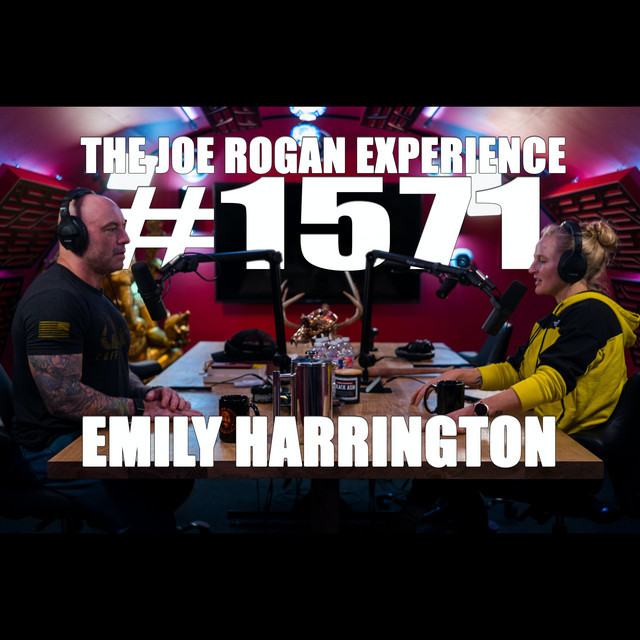
This podcast features rock climber and adventurer Emily Harrington, a five-time US National Champion in Sport Climbing. She has scaled some of the world’s most formidable mountains, including Everest, Ama Dablam, and Cho Oyu, and is the first woman to free climb El Capitan via Golden Gate in under 24 hours.
Major Topics & Deep Underlying Themes:
This podcast dives deep into the world of rock climbing, exploring the physical and mental demands, the risks involved, and the unique mindset of climbers like Emily Harrington and her friend Alex Honnold. Provocative topics include the dangers of free soloing, the balancing act between ambition and safety, and the challenges of navigating the public eye. The podcast also touches on the topic of eating disorders and how they can manifest within athletic communities, particularly in climbing.
1. Free Climbing El Capitan in Under 24 Hours:
- Emily Harrington’s impressive feat of free climbing El Capitan via the Golden Gate route in under 24 hours is discussed in detail, emphasizing the difficulty and significance of this achievement.
- The podcast highlights the differences between free climbing and free soloing, where Alex Honnold’s free soloing of El Capitan is mentioned as a comparison point for the different levels of risk involved.
- The podcast delves into the physical and mental preparation required for such a climb, including training schedules, mental visualization techniques, and the impact of previous injuries on Harrington’s approach.
- Harrington’s experience of hitting her head during the climb is discussed, offering a glimpse into the emotional roller coaster that comes with pushing physical and mental limits.
2. The Dangers and Risks of Climbing:
- The podcast explores the inherent dangers of climbing, particularly free soloing, as evidenced by Alex Honnold’s accomplishments and the risks he takes.
- Harrington shares her perspective on the safety of free climbing, arguing that it is a relatively safe form of climbing compared to free soloing, as she always uses a rope for protection.
- Harrington’s own experience with a severe fall, which resulted in a concussion and required a rescue, showcases the very real dangers of the sport, even when ropes are used.
- The podcast examines the potential for climbers to be influenced by the exploits of famous free soloists like Honnold, potentially leading them to take unnecessary risks.
3. Training and Preparation:
- The podcast details Harrington’s rigorous training regimen, which combines gym climbing, trail running, and mental preparation.
- Harrington discusses her self-coached approach to training, focusing on identifying her weaknesses (power and strength) and developing specific exercises to address them.
- The podcast explores the importance of finding the right balance between data-driven training and intuitive listening to one’s body, a topic that Harrington says she has struggled with in the past.
- Harrington’s approach to mental preparation involves visualization techniques, where she mentally rehearses the climb, which she says can be both helpful and detrimental depending on how she approaches it.
4. The Mindset of Climbers:
- The podcast delves into the unique mental state of climbers, showcasing their dedication, focus, and ability to push their limits.
- Harrington describes the emotional rollercoaster of climbing, highlighting the intense spectrum of emotions she experiences during a climb, from fear and doubt to confidence and achievement.
- Harrington shares her perspective on how climbing serves as a vehicle for exploring various emotions, particularly fear, achievement, and self-doubt, suggesting that it provides a framework for personal growth.
- The podcast discusses the importance of finding a balance between pushing boundaries and respecting one’s limits, particularly in light of Harrington’s experience with serious injuries.
5. Eating Disorders in Climbing:
- The podcast touches on the issue of eating disorders in climbing, a topic that Harrington has personal experience with. She acknowledges the common pressure in the sport to maintain a low weight for performance advantage.
- Harrington shares her past struggles with an eating disorder, emphasizing the dangers of becoming obsessed with weight and the potential for it to negatively impact both mental and physical well-being.
- The podcast underscores the importance of shifting the culture surrounding weight in climbing, particularly with the increasing popularity of competitive climbing among youth.
- Harrington’s personal journey of overcoming her eating disorder and learning to prioritize health and well-being serves as a powerful message for listeners, especially those struggling with similar challenges.
6. The Commercialization of Everest:
- Harrington discusses the commercialization of Mount Everest, highlighting the influx of inexperienced climbers and guides drawn by the allure of reaching the summit.
- The podcast sheds light on the varying requirements and standards for guiding companies, emphasizing the differences in experience levels among those attempting to climb Everest.
- The podcast touches on the ethical debate surrounding the presence of bodies on Mount Everest, discussing the dangers and logistical challenges of removing them.
- The podcast highlights the mystery surrounding George Mallory and Andrew Irvine, who disappeared on an Everest expedition in 1924, and the ongoing search for Irvine’s camera, which may contain footage of their summit attempt.
7. The Importance of Nature and the Outdoors:
- Harrington emphasizes the importance of experiencing nature and the outdoors, arguing that it plays a vital role in mental and physical health.
- The podcast explores the unique connection climbers have with nature, suggesting that it fosters appreciation, respect, and a sense of belonging.
- The podcast addresses the societal tendency to view the outdoors as an extreme or separate realm, suggesting that we should embrace it as a natural and integral part of our lives.
- Harrington’s goal to make climbing more accessible to people from diverse backgrounds, particularly those living in inner cities, reflects her commitment to promoting nature’s benefits and fostering a greater appreciation for the environment.
8. Navigating the Public Eye:
- The podcast explores the challenges of navigating the public eye as a professional climber, particularly the pressure to present a certain image and the potential for negative attention.
- Harrington discusses her experience with impostor syndrome, acknowledging the feelings of self-doubt and inadequacy that can arise when achieving success in a demanding field.
- The podcast highlights the prevalence of negativity and hate on social media platforms, particularly Twitter, and how it can impact climbers’ mental well-being.
- Harrington’s journey of learning to cope with online criticism and navigating the complexities of public perception serves as a valuable lesson for anyone facing similar challenges.
9. The Power of Endorphins and Achievement:
- The podcast explores the feeling of accomplishment and the release of endorphins that climbers experience when they reach their goals, suggesting that these feelings are a powerful driving force behind their pursuit of challenging climbs.
- Harrington describes climbing as a journey of self-discovery and emotional exploration, where the pursuit of challenging climbs allows her to confront fears, overcome obstacles, and build confidence.
- The podcast emphasizes the role of mental strength and resilience in climbing, highlighting the importance of staying focused and positive in the face of adversity and setbacks.
- Harrington’s story of perseverance, despite facing serious injuries, underscores the power of human determination and the potential for overcoming significant challenges through mental fortitude.
10. The Importance of Connection and Support:
- The podcast highlights the importance of having a supportive partner who understands the demands and challenges of climbing, as evidenced by Harrington’s relationship with her fiancé, Adrian.
- Harrington emphasizes the value of training and climbing with others, particularly other women, sharing insights and encouraging each other on their journeys.
- The podcast discusses the unique bond that climbers share, built on mutual understanding, respect, and a shared passion for the sport.
- Harrington’s experience with her climbing community, both online and in person, illustrates the power of connection and support in overcoming challenges and achieving goals.
5 Memorable Quotes:
- “I would argue Alex isn’t as normal as me.” – Emily Harrington playfully challenges Joe Rogan’s assertion that Alex Honnold is a “normal guy” despite his extreme free soloing.
- “When you’re sleeping in that thing, you’re fully harnessed in and strapped in? Just sleeping in a harness, and you just usually have, like, a loose like, rope or sling or something attached to the anchor point. So, like, if you roll out you know, if you want you’re one of those that, like, rolls out of bed at night then.” – Harrington describes the precarious nature of sleeping on El Capitan, highlighting the potential for a terrifying fall.
- “I think for me climbing is very easy to become obsessed with because there’s so many different facets to experience it in. Like, you can go to the climbing gym and just play around on some plastic holds, or you can work towards calling me something like Mount Everest, and then like everything in the middle. And so there’s just a lot to do. Like, I just feel like I don’t even have I I have, like, a lifetime’s worth of of things to do in climbing.” – Harrington reflects on the endless possibilities and depths of the sport of climbing.
- “I think I think it makes you work harder. I I I really do. Yeah. I think the people that think they deserve success the people who think they’re awesome. I I think you don’t have as much nervousness or at least doubt which forces you to work harder. Mhmm. You know, I think there’s there’s real value in feeling fake. like, feeling like, how am I here? I feel like these other people are they’re really good.” – Harrington emphasizes the value of imposter syndrome, suggesting that it can drive individuals to work harder and strive for excellence.
- “I’m gonna climb forever, I think. I’m gonna climb forever. I’m gonna ski forever. I’m gonna yeah. For sure.” – Harrington expresses her unwavering passion for climbing and skiing, showcasing her dedication to these pursuits for the long haul.