17-Nov-20
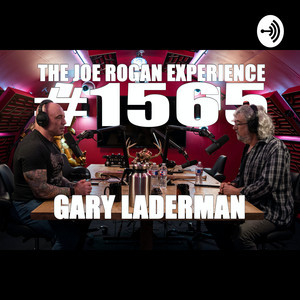
This podcast dives into the profound and often controversial intersection of religion, drugs, and the human experience with Gary Laderman, a professor of American religious history and cultures. Joe Rogan and Laderman explore the role of psychoactive substances in spirituality, the complexities of death and dying, and the evolving landscape of religious belief in a rapidly changing world. Prepare to have your assumptions challenged and your perspective broadened as they delve into topics that are both deeply personal and intellectually stimulating.
Major Topics and Deep Underlying Themes:
-
Psychedelics and Spirituality:
- Laderman’s personal experience with LSD and its impact on his religious views.
- The rise of “spiritual but not religious” individuals and the potential role of psychedelics in their awakening.
- The therapeutic benefits of psychedelics, particularly in reducing fear of death and fostering compassion.
- The resurgence of psychedelic use and its potential to reshape our understanding of spirituality in a society grappling with uncertainty and disillusionment.
-
Religion and Drugs: A Broader Perspective:
- Laderman’s argument that drugs are not simply harmful substances but can serve as sources of spiritual life.
- The historical and cultural significance of psychoactive substances in various societies, including pre-Columbian America.
- The idea that religion is not limited to traditional institutions but can be found in cultural phenomena like celebrity worship, consumerism, and even social media trends.
- Laderman’s challenge to conventional definitions of religion, urging us to see its presence in everyday life and explore its diverse manifestations.
-
Death and Dying:
- Laderman’s fascination with death and its role in shaping religious beliefs and practices.
- The importance of near-death experiences in understanding the human relationship with mortality.
- The limited and often simplistic tools we have for navigating death and grief, and the need for more profound and nuanced approaches.
- Laderman’s view that religion is ultimately a response to death, offering solace and meaning in the face of the inevitable.
-
The War on Drugs and Its Legacy:
- Laderman’s perspective on the War on Drugs as a misguided and harmful policy that has stifled research and understanding of psychoactive substances.
- The growing momentum for decriminalization and legalization of various drugs, including marijuana and psilocybin.
- The potential for psychedelics to play a role in addressing mental health challenges, particularly PTSD.
- Laderman’s belief that the war on drugs is nearing its end, opening up new possibilities for exploring the potential of these substances.
-
The Role of Community:
- The importance of community in providing support and a sense of belonging, particularly for individuals grappling with life’s challenges.
- The traditional role of churches and religious institutions in fostering community, and the need for alternative spaces for connection and support in a secular society.
- The examples of comedy clubs and music festivals as spaces where individuals find a sense of community and shared experience.
- Laderman’s argument that we are living in an increasingly individualistic society, where a strong sense of community is often lacking.
-
The Power of Learning:
- Laderman’s perspective on learning as a form of personal struggle and a source of spiritual growth.
- The comparison of intense mental activity, like playing chess at a high level, to strenuous physical exercise.
- The potential for intellectual pursuits to challenge our assumptions and expand our understanding of the world.
- Laderman’s personal commitment to learning and his belief in its transformative power.
-
The Evolution of Sexuality and Religion:
- Laderman’s approach to teaching sexuality as a complex and multifaceted topic that extends beyond traditional notions of sex and reproduction.
- The shift in attitudes towards homosexuality and the growing acceptance of LGBTQ+ rights.
- The challenges of exploring sensitive topics like suicide and sexuality in a classroom setting, and the need to navigate these discussions with sensitivity and respect.
- The hypocrisy and double standards that often surround discussions of sexuality, particularly within religious contexts.
-
The Pitfalls of Materialism and Celebrity Culture:
- Laderman’s view of materialism as a form of religion, driven by the desire for acquisition and status.
- The role of social media in amplifying materialism and fueling feelings of inadequacy and dissatisfaction.
- The allure and the dangers of celebrity culture, and the impact of fame on individuals, particularly those who rise to prominence at a young age.
- The often-destructive consequences of seeking validation and fulfillment through external sources, leading to feelings of emptiness and disillusionment.
-
The Importance of Critical Thinking:
- The need to question traditional authorities and established narratives, and to develop our own critical perspectives.
- The dangers of falling prey to rigid belief systems and the importance of maintaining a healthy skepticism.
- The potential for psychedelics to facilitate critical thinking and to challenge ingrained patterns of thought.
- Laderman’s belief that critical thinking is essential for navigating a complex and ever-changing world.
-
The Search for Meaning:
- The universal human desire for meaning and purpose in life, and the diverse ways in which individuals seek to fulfill this need.
- The inadequacy of traditional religious structures and narratives in providing meaning for many in the modern world.
- The potential for alternative sources of meaning, such as personal experiences, art, and nature.
- Laderman’s optimistic outlook on the possibility of finding meaning in a world where traditional sources of authority are fading.
5 Memorable Quotes:
- “I’ve been saying this a lot, Lendly, but, like, my whole life has been lived under the war on drugs. You know what I mean?” – Rogan reflects on the pervasive impact of the War on Drugs on his life and society at large.
- “I think anybody says I know what this is all about. When you die, it’s blank, it’s dark, and that’s it. You shut off, and it’s over. I’m like, Maybe. Right. Or maybe you come with me, and I’ll take you to a place, and we’re gonna do some stuff, and you’re gonna meet all kinds of gods.” – Rogan playfully challenges Richard Dawkins’s view of death, suggesting the potential for a more mystical afterlife experience.
- “I think there’s something great about the whole community aspect of church. You know, my friends that do go to church I have a lot of friends that are Christian, that are really good people. They’re really good people, like admirable people.” – Rogan acknowledges the positive aspects of community within religious settings, despite his own lack of belief.
- “It’s not just I I would say not necessarily just for the consumer. just like an Alec or whatever the substance is, but it’s it’s also, you know, about connections, I think, and and sharing the knowledge?” – Laderman emphasizes the importance of sharing knowledge and experiences, particularly when it comes to transformative experiences with psychedelics.
- “I think that’s maybe built into religion. You know? It’s just my way to perfect it.” – Rogan suggests that the potential for corruption and manipulation may be inherent in the very nature of religion, leading to the frequent failings of cults and spiritual movements.