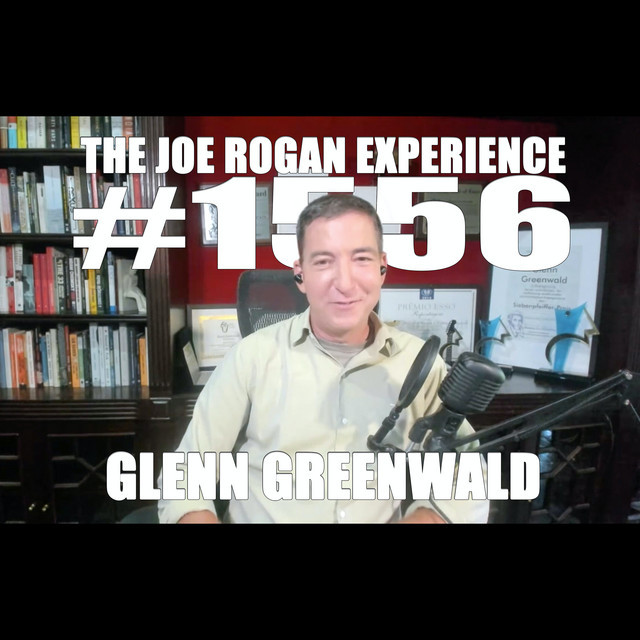
28-Oct-20
This podcast delves into the world of Glenn Greenwald, a prominent journalist known for his groundbreaking work exposing government surveillance and his outspoken critiques of mainstream media. From his experiences in Brazil during the Snowden revelations to his current concerns about censorship and the erosion of free speech, Greenwald offers a thought-provoking perspective on the state of journalism, politics, and the future of online discourse.
Key Topics
Here are 15 major topics covered in the podcast:
1. Glenn Greenwald’s Life in Brazil:
- The vibrant culture and laid-back lifestyle of Rio de Janeiro.
- The political landscape of Brazil, including the election of Jair Bolsonaro and the challenges of the coronavirus pandemic.
- His experience breaking the Snowden story in Brazil, including the perceived danger and the protective measures taken by the Brazilian government.
- Brazil’s political history, including the US-backed military dictatorship and its impact on the current relationship between the CIA and the Brazilian government.
2. The Snowden Revelations:
- The monumental impact of the Snowden leaks on the public’s understanding of government surveillance.
- Greenwald’s personal experience carrying sensitive documents and living under constant surveillance.
- The US government’s threats and intimidation tactics aimed at preventing Snowden’s asylum and Greenwald’s departure from Brazil.
- The role of Brazilian officials in protecting Greenwald and Snowden’s work, fueled by the revelations about NSA spying on Brazilian institutions.
3. The Impact of the Snowden Leaks:
- The lack of accountability for the individuals who engaged in illegal surveillance activities, despite widespread agreement on their wrongdoing.
- The continued persecution of whistleblowers like Snowden and Julian Assange, despite their role in exposing government criminality.
- The government’s reversal of the traditional relationship between citizens and the state, where government activities are now presumed secret while citizens are constantly monitored.
- The apathetic response of the American public to the Snowden revelations, highlighting a lack of trust in mainstream media and a sense of resignation to government overreach.
4. The Role of the Intelligence Community:
- Chuck Schumer’s candid statement about the intelligence community’s power and the danger of challenging its authority.
- The Obama administration’s record of prosecuting whistleblowers, despite campaign promises to protect them.
- The potential motivations for Obama’s stance, including pragmatic calculations to appease powerful institutions and a sense of moral superiority that led to the demonization of whistleblowers.
- The assertion that the intelligence community holds more power than elected officials and can exert considerable influence on government policy.
5. The Rise of Censorship in Online Discourse:
- The censorship of the New York Post article about Hunter Biden’s laptop by Twitter and Facebook, a move seen as unprecedented and deeply alarming.
- The role of liberal activists and journalists in pushing Silicon Valley companies towards censorship, driven by a desire to silence opposing voices.
- The hypocrisy of liberals who have historically championed free speech now advocating for censorship based on ideological differences.
- The dangerous precedent set by Silicon Valley companies becoming arbiters of free speech, effectively controlling the flow of information and shaping public discourse.
6. The Impact of Censorship on Free Speech:
- The argument that free speech is a fundamental principle that must be defended, even when it comes to controversial or offensive views.
- The slippery slope of censorship, where the suppression of one viewpoint eventually leads to the silencing of others, including those who are not deemed “hateful.”
- The comparison of social media platforms to public utilities like electricity and water, arguing for universal access to these platforms for free expression.
- The fear that the abandonment of free speech principles will lead to a more authoritarian and tyrannical society.
7. The Power of Independent Media:
- The growing popularity of podcasts and other independent media outlets, driven by a lack of trust in mainstream media and a desire for unfiltered information.
- The ability of independent media to thrive outside the traditional gatekeepers and reach a wide audience through direct engagement and subscription models.
- The importance of independent media in challenging established narratives and providing a platform for diverse viewpoints.
- The comparison of the internet’s promise for liberation with the current reality of government surveillance and corporate censorship.
8. The Challenges Facing Independent Media:
- The pressure on young journalists to conform to institutional norms and avoid challenging the status quo due to limited job opportunities.
- The increasing difficulty of breaking through in a crowded podcasting landscape, with millions of podcasts competing for attention.
- The potential for independent media creators to face backlash and persecution for expressing controversial or dissenting viewpoints.
- The importance of supporting independent media and its role in fostering a more diverse and robust public discourse.
9. The Transgender Debate:
- The growing debate surrounding transgender rights, including the issue of transgender athletes competing in women’s sports.
- The tension between the desire to protect and embrace transgender individuals and the need to engage in open and honest dialogue about the complexities of gender identity.
- The argument that there are biological differences between men and women that cannot be entirely erased through hormonal therapy, raising concerns about fairness in competition.
- The fear that silencing dissent on transgender issues will lead to a suppression of legitimate questions and concerns.
10. The Importance of Open Dialogue:
- The value of engaging in open and honest dialogue with people who hold different viewpoints, even when those views are controversial or challenging.
- The importance of recognizing the complexity of human beings and the potential for individuals to change their views and beliefs over time.
- The role of free speech in allowing for the exploration of controversial topics and the potential for societal progress through reasoned debate.
- The dangers of demonizing and silencing those who express dissenting views, as it hinders understanding and perpetuates division.
11. The Role of Influence and Responsibility:
- Greenwald’s reflections on the unexpected influence he has gained through his work and the responsibilities that come with it.
- His recognition that his platform can be used to amplify certain voices and the need to be mindful of the potential impact of his choices.
- The importance of challenging oneself and one’s ideas, rather than becoming attached to them, to foster intellectual growth and avoid becoming a captive of one’s own ideology.
- The challenge of balancing the desire to engage in open dialogue with the potential for harm that can come from platforming certain viewpoints.
12. The Nature of Power and its Impact on Discourse:
- The inherent dangers of those in power using their authority to suppress dissenting voices and punish those who challenge their agenda.
- The importance of recognizing the power dynamics at play in shaping public discourse and understanding how those in power can manipulate information to their advantage.
- The need for journalists to be fearless in their pursuit of truth, even when it means facing threats and intimidation from powerful individuals or institutions.
- The assertion that the only way to truly confront power is to expose its secrets and hold those who abuse it accountable.
13. The Future of Journalism:
- The hope that independent media outlets and platforms like podcasts will continue to grow and provide an alternative to the increasingly biased and controlled mainstream media.
- The importance of fostering a culture where young journalists are encouraged to be critical thinkers, challenge the status quo, and express themselves freely.
- The belief that open dialogue and honest communication are essential for navigating the complexities of our world and creating a more just and equitable society.
- The recognition that the future of journalism lies in embracing a more honest, open, and transparent approach to reporting and discourse.
14. The Importance of Personal Growth and Self-Reflection:
- The need to constantly challenge oneself and one’s beliefs, avoiding the trap of becoming captive to a rigid ideology or a group’s approval.
- The importance of seeking out diverse perspectives and engaging in conversations with people who hold different viewpoints, even when those views are challenging or uncomfortable.
- The role of personal experiences and relationships in shaping our understanding of the world and expanding our capacity for empathy and compassion.
- The recognition that true growth comes from embracing our flaws, acknowledging our errors, and constantly striving for a deeper understanding of ourselves and the world around us.
15. The Value of Honest Communication:
- The importance of communicating honestly and authentically, even when it means admitting error or exposing vulnerabilities.
- The dangers of engaging in self-deception and pretending to be infallible, as it hinders personal growth and undermines credibility.
- The belief that true progress comes from embracing a culture of accountability, where individuals and institutions are willing to acknowledge their mistakes and learn from them.
- The assertion that honest communication is essential for building trust, fostering understanding, and navigating the complexities of our world.
Memorable Quotes
- “The justice department was telling my lawyers, if he leaves and shows up at any airport, we’re gonna arrest him.” – Greenwald recounts the US government’s relentless pursuit of Snowden, illustrating the lengths they were willing to go to prevent his escape.
- “Not only is the person who exposes what our crimes, what courts have set our crimes. Not only is that person punished as though they’ve done something wrong. When in reality, they’re owed the gratitude, right, of the entire country for stopping criminal spying by the government on our population domestically, which was one of the primary preoccupations of the American revolution.” – Greenwald argues for the recognition of whistleblowers as heroes, highlighting the government’s hypocrisy in punishing them for exposing illegal activities.
- “If you can’t expose crime in the government. You don’t really have a government. You have a dictatorship that’s dressed up like a government.” – Greenwald emphasizes the vital role of free speech and whistleblowers in holding the government accountable and preventing it from becoming tyrannical.
- “It is the job of journalist to defend the people who expose the truth. If you don’t do that as a journalist, what is your fucking purpose? Why are you a journalist?” – Greenwald criticizes the complicity of mainstream journalists in silencing whistleblowers and argues that their primary duty is to protect those who seek to expose the truth.
- “It will eventually come for you. You will say something wrong. you will you will you will support something that they don’t agree with, and whoever has the power to sensor will deplatform you. They will remove you.” – Greenwald warns about the dangers of censorship, arguing that those who seek to suppress certain viewpoints will eventually target anyone who challenges their orthodoxy.