11-Sep-20
“`html
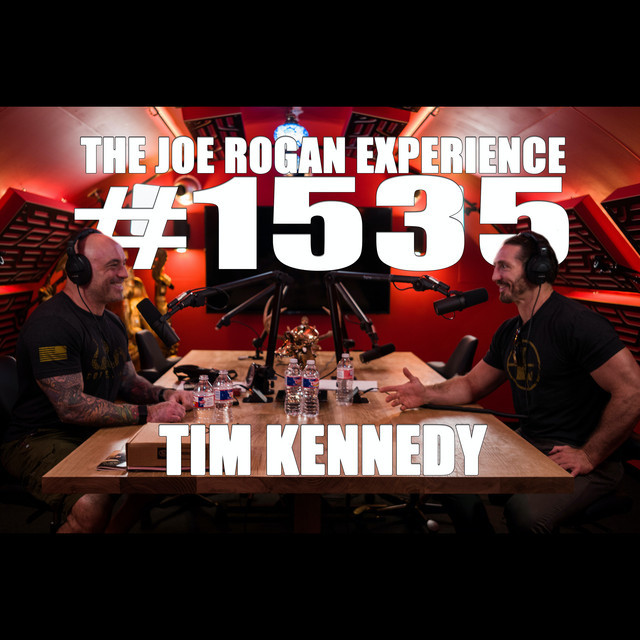
This podcast features retired UFC fighter and Special Forces operator Tim Kennedy, founder of Sheepdog Response, a training program designed to equip law enforcement, military personnel, and others with the skills to effectively respond to violent threats. The conversation delves into a range of topics, including the controversial use of Hawaiian shirts by certain extremist groups, the evolving significance of symbols like the “okay” sign, the dangers of echo chambers and deplatforming in today’s digital age, the importance of funding law enforcement and the military, and the critical role of training in preparing individuals for challenging situations. Underlying themes explore the complexities of free speech, the impact of social media on our perceptions of reality, the need for critical thinking, and the importance of individual responsibility and resilience.
Major Topics:
- Hawaiian Shirts and Extremist Groups:
- The recent association of Hawaiian shirts with the “Boogaloo” movement, a gun-toting anti-government faction.
- The controversial claim that Hawaiian shirts have become a signature for extremist groups, despite their common use for comfort and practicality.
- The discussion raises questions about the power of symbols and the potential for misinterpretations, especially in the context of online culture.
- Tim Kennedy emphasizes the importance of critical thinking and not allowing the meanings of everyday objects to be hijacked by extremists.
- The Evolving Significance of Symbols:
- The “okay” sign, once a harmless gesture, has been appropriated by some as a white supremacist symbol, leading to confusion and controversy.
- Tim Kennedy explains the “asshole” game, a common military prank, which involves the “okay” sign being used in a playful, but potentially misunderstood way.
- The discussion highlights the fluid nature of symbols and how their meanings can shift over time, often influenced by online meme culture and the desire to label people and groups.
- The podcast emphasizes the need for nuance and context when interpreting symbols, especially in an era of heightened sensitivities.
- The Dangers of Echo Chambers and Deplatforming:
- The podcast explores the growing trend of deplatforming individuals and ideas, arguing that it is a dangerous form of censorship and undermines free speech.
- Tim Kennedy contends that deplatforming fosters echo chambers, where people are only exposed to information that reinforces their pre-existing beliefs, leading to radicalization and a lack of critical thinking.
- The conversation highlights the importance of allowing dissenting voices to be heard, even if they are offensive or controversial, as a means of fostering healthy debate and understanding.
- The podcast warns against the dangers of silencing unpopular opinions, suggesting that it ultimately weakens the fabric of a free society.
- The Importance of Funding Law Enforcement and the Military:
- Tim Kennedy argues passionately for the need to adequately fund law enforcement and the military, claiming that it is essential for maintaining security and stability in both domestic and international contexts.
- He contrasts the costly nature of counterinsurgency efforts with the relative cheapness of insurgency, suggesting that failing to invest in security can have dire consequences.
- The podcast critiques the “defund the police” movement, arguing that it is a simplistic and misguided solution to complex societal problems and will ultimately harm vulnerable communities.
- Tim Kennedy emphasizes the importance of training, funding, and support for law enforcement officers, asserting that it is a necessary investment in public safety and community well-being.
- The Role of Training in Building Resilience:
- Tim Kennedy highlights the transformative power of training, particularly in the context of Special Forces operations, where individuals undergo rigorous physical and mental challenges to build resilience and prepare for extreme situations.
- He argues that training allows individuals to identify their strengths and weaknesses, develop coping mechanisms, and ultimately achieve a higher level of personal and professional effectiveness.
- The podcast draws a parallel between physical training and the development of mental fortitude, emphasizing that pushing one’s limits can lead to profound personal growth and a sense of accomplishment.
- Tim Kennedy emphasizes the importance of continuous training and self-improvement, arguing that it is not just about mastering specific skills, but also about building character, discipline, and a sense of purpose.
- The Dangers of Social Media and the Erosion of Trust:
- The podcast explores the impact of social media on our perceptions of reality, highlighting the dangers of echo chambers, misinformation, and online manipulation.
- Tim Kennedy discusses the concept of “gaslighting,” where individuals are bombarded with false information that contradicts their own experiences, leading to confusion and a loss of trust in their own perceptions.
- The conversation highlights the insidious nature of online manipulation, especially as it relates to political discourse and the spread of harmful narratives.
- Tim Kennedy calls for a more critical approach to social media, urging listeners to be discerning consumers of information and to seek out diverse perspectives.
- The Importance of Critical Thinking and Nuance:
- The podcast emphasizes the need for critical thinking and nuanced understanding in a world increasingly defined by simplified narratives and binary thinking.
- Tim Kennedy criticizes the tendency to label individuals and groups with broad, often inaccurate, generalizations, arguing that it stifles dialogue and hinders progress.
- He calls for a more compassionate and empathetic approach to understanding others, acknowledging the complexities of human behavior and the diversity of experiences.
- The podcast encourages listeners to engage in thoughtful discourse, to be open to different perspectives, and to avoid resorting to simplistic solutions to complex problems.
- The Threat of Asymmetrical Warfare and the Importance of Vigilance:
- Tim Kennedy discusses the challenges posed by asymmetrical warfare, where adversaries employ unconventional tactics and exploit vulnerabilities to achieve their objectives.
- He draws parallels between the events of 9/11 and the rise of extremist groups like ISIS, emphasizing the need for sustained vigilance and proactive counterinsurgency efforts.
- The podcast underscores the importance of maintaining a strong military presence, not just for military interventions, but also for security force assistance, training, and the promotion of democratic principles in vulnerable countries.
- Tim Kennedy argues that failing to address the root causes of extremism, such as poverty, lack of education, and social instability, will only lead to more violence and chaos in the future.
- The Need for Individual Responsibility and Resilience:
- Tim Kennedy emphasizes the importance of individual responsibility and resilience, arguing that it is essential for confronting the challenges of today’s world.
- He encourages listeners to embrace a proactive approach to their health and well-being, emphasizing the benefits of exercise, nutrition, and mental discipline.
- The podcast highlights the dangers of relying on instant gratification and quick fixes, suggesting that long-term success requires consistent effort, self-discipline, and a willingness to embrace challenges.
- Tim Kennedy emphasizes the transformative power of pushing one’s limits, not just physically, but also mentally, arguing that it is a necessary step towards achieving personal growth and fulfilling one’s potential.
- The 2020 Election and the Importance of a Fair Process:
- The podcast explores the complexities of the 2020 election, highlighting the heightened tensions, the role of foreign interference, and the challenges of maintaining a fair and legitimate process.
- Tim Kennedy discusses the efforts by foreign actors like Russia, China, and Iran to sow discord and undermine public trust in the electoral system, emphasizing the need for vigilance and awareness.
- He argues that the focus should be on protecting the integrity of the election process, rather than simply rooting for one candidate over another.
- The podcast emphasizes the importance of critical thinking, discerning fact from fiction, and resisting the temptation to be swept up in partisan narratives.
- The Dangers of Identity Politics and the Need for Principled Leadership:
- The podcast criticizes the rise of identity politics, arguing that it is a divisive force that undermines the pursuit of common goals and shared values.
- Tim Kennedy expresses concern about the tendency to prioritize identity groups over principles and qualifications, suggesting that it leads to the selection of candidates based on superficial criteria rather than on merit.
- He calls for a return to principled leadership, where candidates are chosen based on their ability to represent the interests of all Americans, regardless of their background or beliefs.
- The podcast emphasizes the importance of electing leaders who are capable of fostering unity, promoting dialogue, and working towards solutions that benefit the entire nation.
- The Importance of Community and Finding Meaning in Life:
- The podcast underscores the importance of community, connection, and finding meaning in life, particularly in challenging times.
- Tim Kennedy emphasizes the need to resist the temptation to succumb to anger, hatred, and despair, arguing that it is crucial to maintain a sense of hope, purpose, and resilience.
- He encourages listeners to find ways to connect with others, to participate in meaningful activities, and to make a positive impact on their communities.
- The podcast suggests that finding meaning in life is not simply about individual achievement, but also about contributing to something larger than oneself, fostering connections, and building a better future for all.
Memorable Quotes:
- “You tell me the things that I’m not supposed to do, and I’m gonna do those things because I’m not gonna let you take those things from me.” – Tim Kennedy expresses his defiance of cultural pressures to conform, emphasizing his commitment to individual freedom.
- “We have to we have to, like, amuse ourselves.” – Tim Kennedy acknowledges the importance of finding joy and humor in life, even amidst challenging circumstances.
- “I think comedy is the best way to address socially sensitive issues.” – Tim Kennedy emphasizes the power of humor to shed light on difficult topics and promote understanding.
- “I really like being able to say things that make my blood boil.” – Tim Kennedy champions the right to free speech, even when it expresses opinions that are offensive or unpopular.
- “I think the best way to combat things that you disagree with is to say how you feel, that not to say that person shouldn’t be able to say that. That’s ridiculous.” – Tim Kennedy argues against censorship, emphasizing the importance of respectful discourse and open dialogue.
“`