8-Jul-20
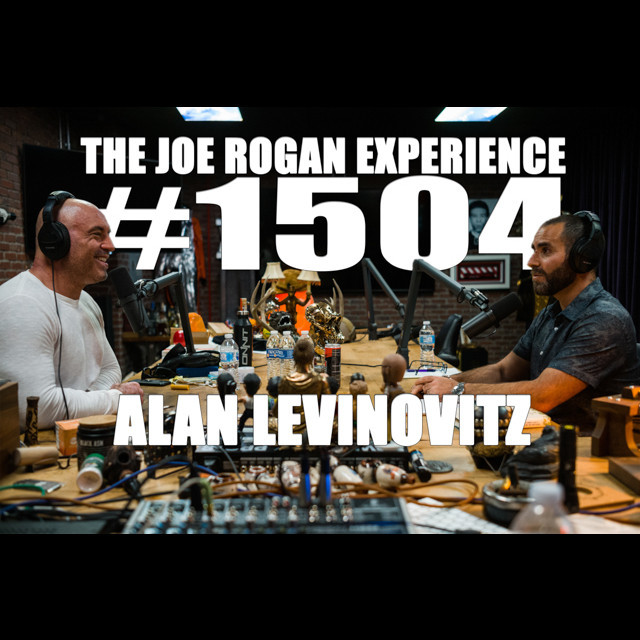
This podcast explores Dr. Alan Levinovitz’s book, “Natural: How Faith in Nature’s Goodness Leads to Harmful Fads, Unjust Laws, and Flawed Science.” The conversation dives into the problematic concept of “naturalness” and how it’s used to justify various beliefs, practices, and ideologies. Provocative topics touch upon the limits of science, the perils of oversimplification, the intoxicating nature of belonging, and the dangers of ultra-processed information. Underlying themes delve into the human need for certainty, the complexities of navigating a changing world, and the importance of embracing nuance and kindness in a world riddled with binary thinking.
The Problematic Nature of “Naturalness”
- Defining “Natural”: Levinovitz argues that “natural” is a slippery concept, often used to legitimize personal preferences and beliefs, rather than reflecting objective reality. He asserts that while natural processes produce both good and bad outcomes, we often associate “natural” with goodness and “unnatural” with evil, leading to problematic conclusions.
- Worship vs. Appreciation: Levinovitz differentiates between appreciating nature and worshipping it. He criticizes the idea that “natural” equals “better,” arguing that humans have always engaged in both beneficial and harmful actions, regardless of whether they align with perceived “natural” behavior. He contends that we shouldn’t judge the value of human actions solely based on their alignment with perceived natural processes.
- The Spectrum of Natural: Levinovitz posits that “naturalness” is a spectrum, not a binary. He highlights that while New York City is undeniably a product of human creation, it’s less “natural” than Yellowstone National Park, which has evolved through millennia without human interference. This nuanced view suggests that we should consider the degree of human intervention when assessing the “naturalness” of things.
- Natural as an Excuse: The conversation explores how “naturalness” is often used as a justification for harmful actions. Levinovitz cites examples like pedophilia, slavery, and childbirth mortality, emphasizing that simply because something occurs naturally doesn’t make it morally acceptable. He urges us to move beyond this simplistic categorization and consider the ethical implications of our actions, rather than relying on “naturalness” as a shield.
The Ultra-Processed Information Crisis
- The Comparison to Processed Food: Levinovitz draws a compelling parallel between ultra-processed foods and ultra-processed information. He argues that just as food companies exploit human appetites to create highly palatable, addictive foods, social media platforms leverage psychological triggers to keep us compulsively engaged. This process, often fueled by our desire for belonging and our need to simplify a complex world, results in an information diet that is high in calories but lacking in nutritional value.
- The Ingredients of Ultra-Processed Information: Levinovitz identifies three key ingredients that make information highly palatable: simplicity, demonization, and belonging. He argues that we are drawn to information that is easily digestible, reinforces our existing beliefs by vilifying opposing viewpoints, and provides a sense of community. This combination, while satisfying our immediate needs for certainty and connection, can ultimately be detrimental to our ability to engage in critical thinking and constructive dialogue.
- The Manufacturing and Consumption of Junk Information: Levinovitz highlights a disconcerting reality: we are not only consuming ultra-processed information, but also producing it. Memes, sound bites, and viral content are often oversimplified and emotionally charged, designed to generate engagement rather than promote understanding. This creates a feedback loop where we are both the manufacturers and consumers of this harmful information, perpetuating the cycle.
- The Consequences of Junk Information: The podcast explores the potential consequences of a diet dominated by ultra-processed information. Levinovitz argues that just as unhealthy eating habits can lead to physical ailments, a constant intake of emotionally charged, simplified information can be detrimental to our mental and spiritual well-being. He contends that this can lead to increased polarization, erosion of trust, and the inability to engage in meaningful conversations on complex issues.
Navigating a World of Complexity
- The Limitations of Science: Levinovitz emphasizes the limitations of science, particularly in predicting the future of complex systems like human behavior. He suggests that while science excels at manipulating reality and uncovering fundamental truths, it struggles with predicting the outcomes of complex human interactions. This highlights the need for alternative tools, including imagination, storytelling, and ethical reflection, to guide us in making decisions about our future.
- Embracing Nuance: The podcast underscores the importance of embracing nuance and rejecting simplistic binaries. Levinovitz contends that many of our most pressing issues, like abortion, sex, and social justice, are far too complex to be neatly categorized as “good” or “bad.” He encourages a move away from sloganized versions of issues and a shift towards more nuanced discussions that acknowledge the complexities and contradictions inherent in human existence.
- The Need for Dialogue: Levinovitz emphasizes the necessity of dialogue in addressing complex issues. He argues that the current information ecosystem, characterized by echo chambers and the lack of meaningful back-and-forth, exacerbates polarization. He advocates for a return to conversation where opposing viewpoints can be expressed, challenged, and ultimately understood, even if they cannot be reconciled.
- The Power of Kindness: The podcast concludes with a powerful argument for the value of kindness. Levinovitz acknowledges that while honesty is important, it’s not always the most effective or ethical way to engage with people who are in pain. He emphasizes the power of compassion and understanding, suggesting that sometimes the most helpful act is simply to listen, offer support, and avoid exacerbating the pain of others.
5 Memorable Quotes
- “People would use natural to describe whatever they favored, and unnatural to describe whatever they didn’t like.” – Levinovitz exposes the subjectivity and bias inherent in our use of the word “natural.”
- “It’s fine to love nature, but you shouldn’t worship it.” – This quote encapsulates Levinovitz’s key argument, urging us to move beyond simply valuing nature to a more nuanced understanding of its role in our lives.
- “I think people are looking to other similar kinds of authority. And so they’re like, okay, I can’t go to my priest, but if I’m walking through the store, what sort of criteria can I use to divide the world up easily into good and evil?” – This insightful observation highlights the human need for certainty and the search for simple categories in a complex world.
- “It’s not just about natural unnatural. It’s not just about technology. We’ve had this kind of junk food information around forever.” – Levinovitz reminds us that the problem of misinformation is not new, but has been exacerbated by the accessibility and speed of modern communication.
- “I really think we can stop it by focusing on problems with the system and problems with ourselves.” – Levinovitz offers a hopeful message, suggesting that addressing the crisis of ultra-processed information requires both systemic change and personal responsibility.