19-Jun-20
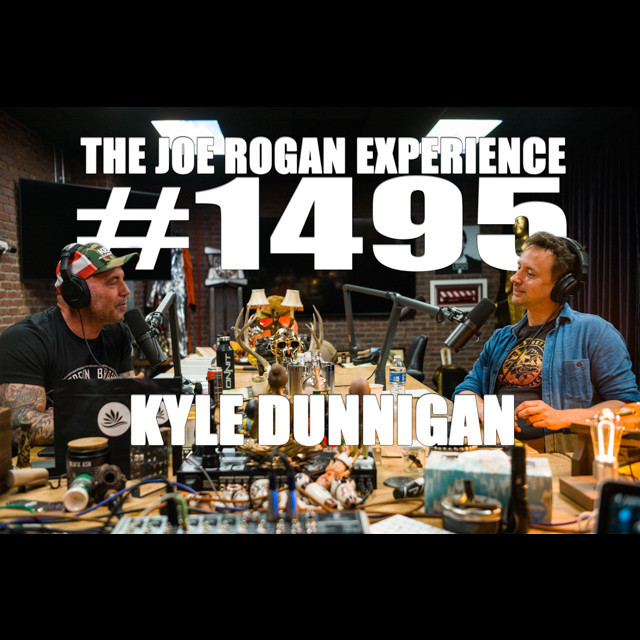
#1495 – Kyle Dunnigan
In this Joe Rogan podcast episode, Kyle Dunnigan and Joe Rogan engage in a rambling conversation that spans diverse topics, often veering into provocative and absurd tangents. While the discussion lacks a clear, coherent narrative, it reveals fascinating insights into their shared interests and the complexities of navigating modern society. The podcast dives into a diverse array of issues, ranging from the absurdity of human behavior to the potential threat posed by asteroids. While their arguments often lack scientific rigor, the conversation offers a unique perspective on the current climate of fear and anxiety.
1. William Randolph Hearst’s Legacy: Wild Pigs and Patty Hearst
- Joe Rogan blames William Randolph Hearst, a media mogul, for the wild pig infestation in California. He alleges that Hearst brought the pigs to his ranch as part of a menagerie, and their unchecked breeding led to the problem.
- Joe Rogan also brings up Patty Hearst, William Randolph Hearst’s granddaughter, and her controversial involvement in a bank robbery. He speculates on a connection between Hearst’s actions and Patty’s life, though the basis of this connection is unclear.
- The segment highlights the long-lasting impacts of individuals on the environment, even through seemingly inconsequential actions.
- The mention of Patty Hearst adds a layer of historical intrigue and social commentary, exploring the legacy of wealth and its influence on personal choices.
2. Invasive Species and the Consequences of Intervention:
- The conversation touches on the challenges of managing invasive species, with examples from Australia and Hawaii. In Australia, introduced cats have become an invasive problem, leading to bounty programs for their hunting. In Hawaii, attempts to control one invasive species by introducing another animal backfired, creating a new infestation.
- The segment highlights the unintended consequences of human interventions in natural ecosystems.
- The discussion emphasizes the complexity of biological systems and the need for careful consideration before introducing new species or attempting to control existing ones.
- The story of the cats in Australia underscores the irony of human actions often creating the very problems they aim to solve.
3. The Cultural Significance of Lawns:
- Joe Rogan and Kyle Dunnigan discuss the widespread practice of maintaining lawns, highlighting its cultural significance and the underlying desire for control over nature. They speculate on the psychological reasons for finding uniformity and order in a manicured lawn.
- The segment raises questions about the human relationship with nature and the extent to which we attempt to shape and dominate our surroundings.
- The discussion points to the underlying need for order and control, even in seemingly trivial aspects of life like lawn care.
- By exploring the cultural significance of lawns, the conversation touches on a larger theme of human desire to impose order on the natural world.
4. The Gendered Nature of Lumberjacking:
- The conversation briefly touches on the gendered nature of lumberjacking, acknowledging the small number of female lumberjacks. They speculate on the physical strength and resilience required for this profession, drawing a comparison to female MMA fighters.
- This segment highlights the persistence of gender stereotypes and the often overlooked contributions of women in traditionally male-dominated fields.
- Joe Rogan and Kyle Dunnigan jokingly suggest the need for a reality show featuring female lumberjacks, poking fun at the perception of women in physically demanding roles.
- The mention of lumberjill calendars adds a layer of sexualization to the discussion, showcasing the often contradictory and often misogynistic attitudes towards women in physically demanding roles.
5. The Nature of Comedy and Its Evolution:
- Joe Rogan and Kyle Dunnigan discuss the nature of comedy and its evolution, reflecting on the changing standards of humor and what is considered acceptable or offensive.
- The segment delves into the complexities of cultural sensitivity and the need to navigate humor responsibly.
- They acknowledge that humor evolves with time and social norms, noting the difficulty of gauging what might have been funny in the past, but is now considered problematic.
- The discussion highlights the potential for humor to be both unifying and divisive, prompting a nuanced conversation about the role of comedy in society.
6. The Perils of Text-Based Communication:
- Joe Rogan and Kyle Dunnigan criticize the pitfalls of text-based communication, arguing that it often leads to misunderstandings, misinterpretations, and heightened conflict.
- The segment highlights the limitations of text-based communication and the importance of face-to-face interactions for effective communication.
- They suggest that the overuse of text-based platforms like social media contributes to a decline in empathy and understanding.
- The discussion emphasizes the need for more nuanced and emotionally intelligent modes of communication.
7. The Impact of Social Media on Human Interaction:
- Joe Rogan and Kyle Dunnigan discuss the impact of social media on human interaction, arguing that it can foster isolation, anxiety, and a constant need for validation.
- The segment highlights the potential negative consequences of excessive social media use on mental health and well-being.
- They acknowledge the addictive nature of social media platforms and the pressure to maintain an idealized online persona.
- The discussion emphasizes the importance of real-world connections and authentic interactions for human connection and fulfillment.
8. The Rise of Care Fatigue:
- Joe Rogan and Kyle Dunnigan discuss the phenomenon of “care fatigue,” a state of exhaustion and burnout caused by the constant demands of social and political issues.
- The segment highlights the emotional toll of navigating a world saturated with crises and demands for empathy and action.
- They acknowledge the need for boundaries and self-care in the face of overwhelming news and social pressures.
- The discussion raises questions about how to maintain empathy and compassion without succumbing to burnout and exhaustion.
9. The Perpetuation of White Guilt:
- Joe Rogan and Kyle Dunnigan discuss the concept of “white guilt,” exploring the complex emotions and behaviors associated with acknowledging historical injustices.
- The segment touches on the ongoing efforts to address racial inequalities and the challenges of navigating a history of oppression.
- They acknowledge the need for empathy and understanding in addressing historical wrongs, but also caution against performative gestures and overly simplistic solutions.
- The discussion highlights the need for nuanced and respectful dialogue in addressing complex social issues.
10. The Role of Religion in Ancient Societies:
- Joe Rogan and Kyle Dunnigan explore the role of religion in ancient societies, highlighting the prevalence of superstitious beliefs and practices like human sacrifice.
- The segment underscores the importance of understanding historical context in evaluating past beliefs and practices.
- They acknowledge the absurdity of some ancient religious practices, while recognizing their significance in shaping cultural norms and understanding the world.
- The discussion prompts a reflection on the evolution of human beliefs and the role of religion in shaping societal values.
11. The Threat of Bears and Wildlife Encounters:
- Joe Rogan and Kyle Dunnigan discuss the dangers of bears and the increasing frequency of encounters with wildlife, highlighting the potential threat posed by these animals.
- The segment underscores the need for respect and caution when interacting with wild animals.
- They acknowledge the changing relationship between humans and wildlife, particularly in areas with growing populations and increasing urbanization.
- The discussion prompts a reflection on the delicate balance between human development and preserving natural ecosystems.
12. The Enduring Legacy of “Grizzly Man”:
- Joe Rogan and Kyle Dunnigan discuss the film “Grizzly Man,” a documentary about a man who lived among bears in Alaska, highlighting its comedic and tragic elements.
- The segment explores the human fascination with the wild and the risks associated with attempting to live outside of established societal norms.
- They acknowledge the tragic consequences of the film’s subject, but also recognize its artistic merit and its ability to entertain and provoke thought.
- The discussion prompts a reflection on the complexities of human behavior and the consequences of pushing boundaries.
13. The Importance of Elon Musk and Technological Advancements:
- Joe Rogan and Kyle Dunnigan discuss the importance of Elon Musk and his contributions to technological advancements, highlighting his impact on the electric car market and space exploration.
- The segment underscores the significance of technological innovation and its potential to transform society.
- They acknowledge Musk’s unconventional approaches and the controversy that often surrounds his ventures.
- The discussion highlights the potential for both positive and negative outcomes from rapid technological advancement.
14. The Ethics of CRISPR Technology:
- Joe Rogan and Kyle Dunnigan discuss the potential of CRISPR technology to cure diseases and alter human genetics, raising ethical questions about its implications.
- The segment explores the possibilities and risks of genetic engineering, prompting a conversation about the potential for societal changes.
- They acknowledge the potential for CRISPR to revolutionize medicine, but also express concerns about its potential for misuse.
- The discussion prompts a reflection on the ethical implications of altering human biology and the responsibility of scientists and society to navigate these advancements responsibly.
15. The Inevitability of Human Error:
- Joe Rogan and Kyle Dunnigan discuss the inevitability of human error, highlighting the potential for mistakes and miscalculations in various aspects of life, from technology to government policies.
- The segment underscores the importance of humility and learning from mistakes.
- They acknowledge the human tendency to make errors and the need for transparency and accountability.
- The discussion prompts a reflection on the human capacity for both progress and destruction, emphasizing the need for ongoing vigilance and self-reflection.
16. The Significance of the Big Bang Theory:
- Joe Rogan and Kyle Dunnigan discuss the Big Bang theory and its implications for understanding the origins of the universe, pondering the possibility of a cyclical universe.
- The segment explores the vastness and complexity of the universe, prompting a discussion about the limitations of human understanding.
- They acknowledge the incompleteness of scientific knowledge and the ongoing quest for deeper understanding.
- The discussion highlights the awe-inspiring nature of scientific discoveries and the humbling realization that there are still many unknowns about the universe.
17. The Ongoing Mystery of Aliens:
- Joe Rogan and Kyle Dunnigan discuss the possibility of extraterrestrial life, debating the likelihood of alien civilizations existing and visiting Earth.
- The segment explores the human fascination with the unknown and the persistent hope for finding evidence of life beyond our planet.
- They acknowledge the challenges of interstellar travel and the lack of conclusive evidence for alien contact.
- The discussion highlights the ongoing scientific exploration of space and the potential for future discoveries that could reshape our understanding of the universe.
18. The Importance of Police Reform:
- Joe Rogan and Kyle Dunnigan discuss the need for police reform, acknowledging the systemic problems within law enforcement and the need for greater accountability and transparency.
- The segment highlights the ongoing struggle for racial justice and the need for a more equitable and just criminal justice system.
- They discuss the challenges of addressing police brutality and the need for improved training and funding for law enforcement agencies.
- The discussion prompts a reflection on the role of police in society and the need for ongoing dialogue and action to ensure a more just and equitable system.
19. The Growing Problem of Homelessness:
- Joe Rogan and Kyle Dunnigan discuss the growing problem of homelessness, highlighting the complexities of addressing this issue and the need for a more compassionate approach.
- The segment underscores the social and economic factors that contribute to homelessness and the need for a multi-faceted approach to finding solutions.
- They discuss the importance of addressing systemic issues, providing adequate housing and support services.
- The discussion highlights the need for empathy and understanding in approaching the challenges of homelessness, emphasizing the need for a compassionate and effective response.
20. The Potential of Robot Companions:
- Joe Rogan and Kyle Dunnigan discuss the potential for robots to become companions and partners, raising ethical questions about the implications of such relationships.
- The segment explores the blurring lines between human and artificial intelligence, prompting a discussion about the nature of intimacy and connection.
- They speculate on the potential for robots to fulfill emotional needs, but also express concerns about the potential for dependence and loss of authentic human connection.
- The discussion highlights the importance of considering the social and ethical implications of technological advancements and the need for thoughtful and responsible development.
5 Memorable Quotes:
- “Patty Hurst. That’s interesting story.” – Joe Rogan’s casual mention of Patty Hurst highlights the podcast’s tendency to jump between topics without necessarily exploring them in depth.
- “We are really racist with plants.” – Kyle Dunnigan’s humorous observation underscores the human tendency to project human biases onto the natural world.
- “I’m a glass hap of coins. I don’t know.” – Joe Rogan’s humorous attempt to express a positive outlook amidst a chaotic conversation highlights the podcast’s playful and often nonsensical nature.
- “We’re all expected to manage our energy and our anxiety, and we’re expected to do a perfect we’re we’re expected to be exactly who we were 4 or 5 months ago before all this should happen. I think that’s crazy.” – Kyle Dunnigan expresses a shared sentiment about the unrealistic expectations placed on individuals during a time of crisis.
- “You know, like, nobody even knew they were they were recording, like, beethoven in shit on these big stupid discs. Yeah.” – Joe Rogan’s humorous perspective on the evolution of technology highlights the podcast’s tendency to blend serious topics with lighthearted observations.