11-Jun-20
“`html
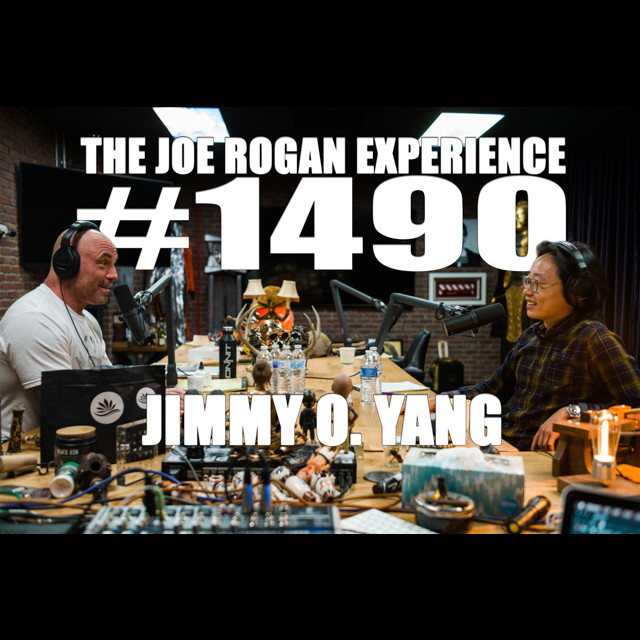
Joe Rogan Experience #1490 – Jimmy O. Yang
This podcast features Jimmy O. Yang, an actor, stand-up comedian, and writer, discussing his career, comedy, and experiences as an Asian-American in the entertainment industry. Provocative topics include racism in comedy, the state of stand-up comedy, the impact of social media on comedy, and the portrayal of Asians in Hollywood. Underlying themes explore the challenges of navigating a predominantly white industry, the importance of representation, and the complexities of race and identity in America.
-
The State of Stand-Up Comedy in the COVID Era:
- The impact of the pandemic on the comedy industry, including the closure of comedy clubs and the rise of virtual shows.
- The challenges of performing stand-up virtually and the consensus among comedians that it is not the same as performing live.
- The unique solution employed by Dave Chappelle of performing at a COVID-safe outdoor venue.
- The potential impact of the pandemic on the future of comedy clubs.
-
The Improv Comedy Lab in Los Angeles:
- The legendary comedy club, known for its small, intimate space and its challenging audience.
- The remodel of the Improv, including the addition of a new green room and a change in stage setup.
- The history of the club and its importance to the careers of many comedians.
- The continued popularity and importance of the Improv as a staple of the LA comedy scene.
-
The Open Mic Community and Its Challenges:
- The importance of open mics for developing comedians, but also the risks of performing in front of unappreciative or difficult audiences.
- The challenges of dealing with promoters and showrunners in the open mic community.
- The difficulties of navigating the social aspects of the open mic scene.
- The impact of the open mic experience on comedians’ confidence and development.
-
The Use of Music in Stand-Up Comedy:
- The different approaches to incorporating music into stand-up sets.
- The challenges of following a comedian who uses music in their set.
- The importance of having an opening act whose energy matches the headliner’s.
- The potential for music to enhance or detract from a stand-up set.
-
The Comedy Magic Club and its Unique Audience:
- The club’s reputation for its high-profile clientele, including Jay Leno and other notable comedians.
- The club’s unique audience, characterized as being predominantly white and older.
- The challenges of performing stand-up in front of such an audience for Asian-American comedians.
- The club’s reputation for its high-quality food and service.
-
The Evolution of Racial Terminology:
- The changing use of terms like “Oriental” and “African American” and the sensitivities surrounding their use.
- The complexities of navigating racial language and the potential for offense, even when unintentional.
- The importance of understanding the history of racial terminology and its impact.
- The continuing evolution of racial language and the need for sensitivity and awareness.
-
The Hierarchy Within Asian-American Communities:
- The internal divisions and perceived hierarchies among different Asian-American groups.
- The cultural differences and historical context that contribute to these divisions.
- The impact of these divisions on Asian-American identity and representation.
- The potential for these divisions to create challenges for Asian-American communities.
-
The Impact of Social Media on Comedy:
- The potential for social media to be used for both positive and negative purposes in the comedy world.
- The rise of “cancel culture” and the potential for comedians to be targeted for past jokes or statements.
- The challenges of navigating social media for comedians, including the need to be mindful of their online presence.
- The impact of social media on the future of comedy and the potential for censorship.
-
The Importance of Representation in Hollywood:
- The underrepresentation of Asian-Americans in Hollywood and the impact on the portrayal of Asian-American characters.
- The significance of figures like Bruce Lee in challenging stereotypes and providing positive representation.
- The importance of having diverse voices and perspectives in the entertainment industry.
- The potential for increased representation to lead to a more accurate and nuanced portrayal of Asian-American experiences.
-
The Role of Comedy in Social Change:
- The potential for comedy to be a powerful tool for social change.
- The importance of using humor to address sensitive and controversial topics.
- The challenges of balancing humor with responsibility in the context of social commentary.
- The potential for comedy to foster empathy, understanding, and dialogue around important issues.
-
The Challenges of Performing Stand-Up as an Asian-American:
- The additional pressures and responsibilities that Asian-American comedians face in representing their community.
- The need to navigate stereotypes and expectations while trying to be authentic.
- The importance of having a strong voice and a unique perspective.
- The potential for Asian-American comedians to make a significant impact on the comedy world.
-
The Nature of “Good” Comedy:
- The different styles and approaches to stand-up comedy.
- The importance of finding your voice and developing a unique perspective.
- The role of honesty, vulnerability, and personal experience in creating compelling comedy.
- The potential for comedy to be both entertaining and thought-provoking.
-
The Importance of Hard Work and Dedication in Comedy:
- The importance of constant practice and refinement in stand-up comedy.
- The challenges of balancing comedy with other career pursuits.
- The potential for stand-up to be a demanding and unpredictable career path.
- The importance of having a passion for the art form and a willingness to put in the effort.
-
The Impact of Reality TV on Comedy:
- The potential for reality TV to exploit individuals for entertainment purposes.
- The ethical concerns surrounding the portrayal of individuals on reality shows.
- The potential for reality TV to create negative stereotypes and harmful narratives.
- The importance of holding reality TV producers accountable for their actions.
-
The Role of Parents in Shaping a Comedian’s Career:
- The impact of parental support and encouragement on a comedian’s development.
- The challenges of dealing with parents who are not supportive of a comedy career.
- The potential for parental influence to both help and hinder a comedian’s success.
- The importance of finding a balance between parental expectations and personal aspirations.
-
The Intersection of Race, Gender, and Comedy:
- The different challenges and opportunities that women and minorities face in the comedy world.
- The importance of understanding the cultural context and power dynamics at play in comedy.
- The need to create a more inclusive and diverse comedy landscape.
- The potential for comedy to be a force for positive social change.
5 Memorable Quotes:
- “Even great comics look terrible on those.” – Jimmy O. Yang refers to the challenges of performing stand-up comedy virtually.
- “It’s a tough room, and sometimes you you wanna start in that small room and then do another in a big room, so you go home happy.” – Jimmy O. Yang describes the importance of honing your craft in a smaller, more challenging venue before moving on to larger stages.
- “I think the people that actually got tweets dug up about them, there there’s two ways. Sometimes you get people speaking. I was like, no. No. He’s actually a good guy. But most of the time, it’s like, Yeah. He was an asshole.” – Jimmy O. Yang discusses the dynamics of “cancel culture” and how past statements can be taken out of context to damage a person’s reputation.
- “I’m still insecure in a way that, okay, sure. I gotta go write some new shit now.” – Jimmy O. Yang reveals the ongoing pressure and insecurities that comedians face even after achieving success.
- “It’s like, what they’re trying to do is there’s some reality TV that’s based on actual events that are taking place, but a lot of it is like they’re taking you have to sign these releases on a lot of these shows that allow them to edit your words in a very distorted way.” – Jimmy O. Yang expresses concern about the ethical implications of reality TV editing and how it can be used to manipulate narratives.
“`