10-Jun-20
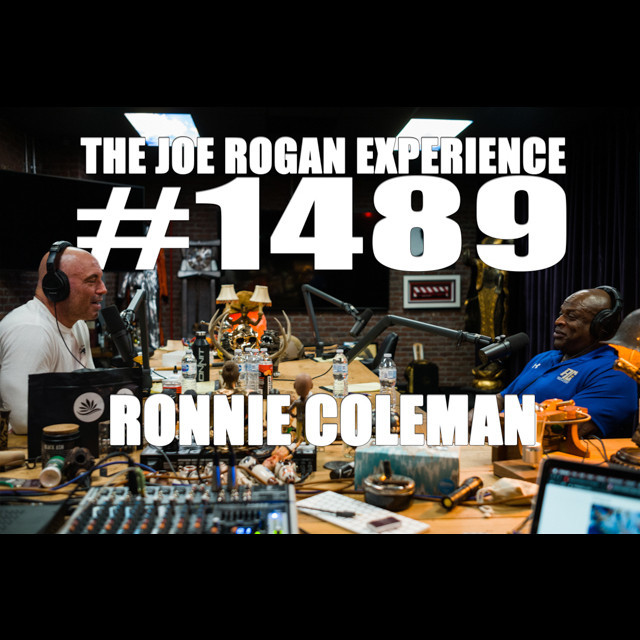
This podcast dives deep into the remarkable life of Ronnie Coleman, a legendary bodybuilder who redefined the sport. From his humble beginnings to his astonishing feats of strength and his battles with injuries, this episode explores a fascinating story of dedication, ambition, and resilience.
Major Topics:
1. Ronnie Coleman’s Early Life and Strength:
- Coleman’s passion for lifting began in his youth, nurtured by his natural strength and powerlifting experience.
- He discovered bodybuilding later in life, attending his first Mister Olympia event as a security guard.
- Coleman’s strength was a natural gift, but he honed it through dedication and intense training, constantly pushing his limits.
- Even with a full-time job as a police officer, he pursued bodybuilding with unwavering determination, aiming for a free gym membership as his initial motivation.
2. The Intensity of Coleman’s Training:
- Coleman’s training was characterized by high reps with heavy weights, a unique approach that differentiated him from other bodybuilders.
- He performed squats with weights exceeding 600 pounds, often for 12-15 reps, showcasing extraordinary strength and endurance.
- He pushed himself relentlessly, prioritizing intensity and dedication over mere weightlifting.
- Coleman’s approach reflected a champion’s mindset, highlighting the importance of focus and unwavering dedication in achieving greatness.
3. The Price of Excellence: Coleman’s Injuries:
- Coleman’s journey was marked by numerous injuries, culminating in 13 surgeries, including back, hip, and neck replacements.
- He developed a high tolerance for pain, continuing his training even after experiencing herniated discs and other debilitating conditions.
- His relentless pursuit of excellence ultimately came at a cost, leading to a lifetime of pain and discomfort.
- Despite the constant pain, Coleman maintains a positive outlook, highlighting the joy he finds in continuing his passion for fitness.
4. The Impact of Steroids on Coleman’s Career:
- Coleman acknowledges the role of steroids in achieving his physique, emphasizing the legality of his usage during his competitive years.
- He emphasizes that while steroids enhance conditioning, they are not a magic bullet and require hard work and genetic predispositions to achieve extraordinary results.
- He critiques the reckless use of steroids, highlighting the dangers associated with unmonitored and excessive usage, and the negative consequences such as depression and health complications.
- Coleman’s experience underscores the complex ethical and moral considerations surrounding steroid use in bodybuilding, particularly in the context of its impact on physical and mental health.
5. The Evolution of Ronnie Coleman’s Identity:
- Coleman’s identity became deeply intertwined with his physique and accomplishments, making the transition to retirement a challenging process.
- He reflects on the profound shift in his lifestyle, moving from a demanding schedule of competitions and appearances to a more family-focused life.
- Despite the physical limitations, Coleman’s love for bodybuilding remains, and he embraces his new path, finding fulfillment in his family life and fitness pursuits.
- Coleman’s story resonates with themes of self-acceptance, adapting to change, and finding purpose beyond one’s former identity.
6. Ronnie Coleman’s Views on Police Brutality:
- Coleman, a former police officer, acknowledges the current climate of police brutality and the importance of addressing the issue.
- He emphasizes the need to recruit the right individuals, providing robust training, and prioritizing ethical conduct to ensure accountability and prevent abuse of power.
- He advocates for increased funding for police departments to support adequate training, resources, and mental health support for officers, arguing that underfunding exacerbates existing problems.
- Coleman’s perspective underscores the complexities of policing in a polarized society, highlighting the need for reform and a commitment to ethical practices to restore public trust.
7. Coleman’s Perspective on “Defunding the Police”:
- Coleman expresses skepticism towards the idea of defunding the police, believing that law enforcement remains essential in society.
- He argues that addressing police misconduct should focus on weeding out bad actors and improving training, not eliminating the institution entirely.
- He believes that defunding the police would lead to diminished resources and a less safe environment, ultimately harming communities.
- Coleman’s stance presents a counterpoint to the ongoing debate, emphasizing the need for comprehensive reform rather than abolition.
Memorable Quotes
- “You gotta understand. You know? I never had any dreams of being a Mister. I’ve never had any dreams of being a body I only did it because the guy gave me a free membership to the gym.” – Coleman reveals his humble beginnings and unexpected journey to bodybuilding.
- “That’s what a champion looks like.” – Rogan describes Coleman’s intensity and dedication in the gym, highlighting the essence of a true champion’s mindset.
- “I have a hot I’m I’m remember when I I needed my disc. I finished my workout. I was squatting 600. I remember like it yesterday. I was coming up on rep number 8. and all of a sudden, pay out. It was a loud gunshot town.” – Coleman recounts his incredible strength and resilience, even amidst severe pain.
- “I’m still alive and I still work out every day. I I’m still normal. So I’m good.” – Coleman embodies a positive outlook, finding strength and purpose despite his physical limitations.
- “You can’t suck at being a cop. You just You can’t.” – Coleman emphasizes the responsibility and demanding nature of law enforcement, highlighting the importance of rigorous training and ethical conduct.