8-Jun-20
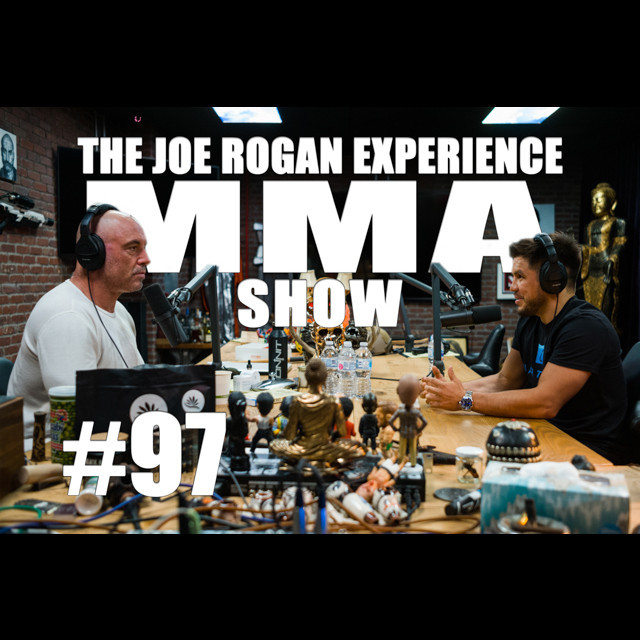
This podcast delves deep into the life of former UFC flyweight and bantamweight champion, Henry Cejudo, providing insights into his training, mindset, and motivations. Provocative topics range from his retirement and potential comebacks, his unique training methods, and his candid reflections on the American Dream. Underlying themes explore the power of mindset, the importance of finding the right team, and the ever-evolving landscape of combat sports.
- Henry Cejudo’s Retirement and Potential Comebacks:
- Cejudo expresses satisfaction with his achievements, feeling a sense of completion in his career.
- He cites his desire to step away from the sport at the peak of his abilities, leaving no room for “what ifs” or regrets.
- However, he leaves the door open for a potential comeback, specifically mentioning a fight against Alexander Volkanovski for the featherweight title.
- Cejudo’s desire to become a three-division champion and his competitive spirit leave fans wondering if this retirement will be permanent.
- Cejudo’s Unique Training Methods:
- Cejudo emphasizes the importance of “heart” and “ability” as key factors in his success, highlighting his unwavering passion and natural talent.
- He describes his approach to training as a “perfect storm,” emphasizing the combination of physical conditioning, technical expertise, mental fortitude, and strategic game planning.
- His training camps involve simulating fight scenarios, complete with opponent walkout music, referees, and doctors, to prepare mentally and physically for every detail of competition.
- Cejudo’s meticulous approach to training, including pre-fight meals tailored to specific workouts and a focus on recovery, exemplifies his dedication to optimizing performance and minimizing the risks of injury.
- Cejudo’s Perspective on the American Dream:
- Cejudo’s personal journey, from an immigrant family facing hardship to achieving Olympic gold and UFC championships, embodies the American Dream.
- He shares his family’s experiences with illegal immigration, acknowledging the complexities and contrasting perspectives surrounding the issue.
- He uses the examples of Mike Tyson, Don King, and Ali Abdelaziz to illustrate the various paths and interpretations of achieving success in America.
- Cejudo emphasizes the resilience and determination required to overcome adversity and achieve personal goals, inspiring those facing their own challenges.
- The Power of Mindset and Mental Fortitude:
- Cejudo believes mental toughness can be cultivated through conscious effort and experience, drawing parallels to the resilience he observed in Muhammad Ali.
- He highlights the importance of learning from defeats, seeking therapy, and analyzing performance to identify and overcome weaknesses.
- He emphasizes the importance of staying composed and relaxed even in the face of adversity, demonstrating the power of a calm and focused mindset in combat.
- Cejudo’s own journey, particularly his victory over Demetrius Johnson, highlights the importance of overcoming self-doubt and believing in one’s ability to achieve success.
- The Evolution of Combat Sports:
- Cejudo discusses the rise of calf kicks as a dominant technique, attributing its effectiveness to the recent evolution of striking and game planning.
- He emphasizes the importance of understanding and adapting to the changing landscape of MMA, showcasing the need for continuous learning and growth.
- He highlights the importance of developing well-rounded skills, noting that fighters specializing in striking may be vulnerable to takedowns or grappling techniques.
- Cejudo’s insights provide a glimpse into the future of combat sports, where athletes are constantly seeking new ways to strategize and gain an advantage.
- The Role of Gimmick and Entertainment in Combat Sports:
- Cejudo discusses the importance of creating a persona and engaging fans, drawing parallels to the careers of Conor McGregor and Chael Sonnen.
- He acknowledges the pressure associated with such a persona, noting the potential for backlash when expectations are not met.
- He credits his “intergender world champion” gimmick with saving his division from being cut, highlighting the power of entertainment to generate attention and attract audiences.
- Cejudo’s willingness to embrace the theatrical aspects of the sport, while still delivering genuine insights, shows the evolving nature of combat sports as a form of entertainment.
- The Future of Combat Sports:
- Cejudo believes that athletes like Kyle Snyder, who possess exceptional wrestling skills, could potentially revolutionize MMA.
- He discusses the potential for athletes to transition between boxing and MMA, citing the example of Deontay Wilder’s success.
- He emphasizes the importance of developing technical skills and understanding the nuances of different fighting styles to succeed in combat sports.
- Cejudo’s insights provide a glimpse into the future of combat sports, where athletes are constantly pushing boundaries and seeking new ways to compete.
- The Impact of Psychedelics on Mindset and Performance:
- Cejudo discusses his experiences with psychedelics, including DMT and Ayahuasca, acknowledging the potential benefits and risks associated with their use.
- He believes that psychedelics can provide an opportunity for introspection, self-reflection, and confronting internal demons.
- He credits his experiences with DMT for helping him reconnect with his past and finding a sense of peace and acceptance.
- Cejudo’s openness about his use of psychedelics highlights the growing discussion surrounding their potential benefits in areas like mental health and personal growth.
- The Importance of a Supportive Team:
- Cejudo emphasizes the importance of building a strong and collaborative team, including coaches, trainers, nutritionists, and doctors.
- He describes the importance of finding individuals who understand his needs and support his unique training methods.
- He credits his team with revolutionizing his approach to MMA training, highlighting the collaborative effort required for achieving peak performance.
- Cejudo’s experiences demonstrate the power of a supportive team in helping athletes reach their full potential.
- The Benefits of Advanced Training Techniques:
- Cejudo discusses the role of technology and science in enhancing performance, mentioning the use of Omega Wave, infrared lighting, and altitude pod capsules.
- He believes that these tools can help athletes optimize training, minimize the risk of injury, and maximize recovery time.
- He emphasizes the importance of understanding individual thresholds and tailoring training plans to specific needs.
- Cejudo’s embrace of science and technology showcases the evolving nature of combat sports and the potential for innovation to enhance training and performance.
- The Impact of the George Floyd Protests and Social Change:
- Cejudo discusses the significance of the George Floyd protests, acknowledging the potential for social change and a shift in the way law enforcement interacts with communities.
- He contrasts the current nationwide movement with past protests, highlighting the unprecedented scale and scope of the current movement.
- He expresses hope for a more peaceful and equitable future, emphasizing the need for police reform and a deeper understanding between law enforcement and communities.
- Cejudo’s comments highlight the evolving social landscape and the potential for combat sports athletes to use their platform to address important social issues.
- The Importance of Recovery and Mental Well-being:
- Cejudo discusses the importance of recovery and mental well-being, acknowledging the toll that intense training and competition can take on athletes.
- He emphasizes the need for adequate rest, proper nutrition, and addressing emotional challenges through therapy.
- He shares his own experiences with stem cell therapy, illustrating the growing role of medical advancements in athlete recovery and performance.
- Cejudo’s insights provide a reminder that athletes are human beings with complex needs, highlighting the importance of prioritizing mental and physical health.
- The Future of MMA:
- Cejudo discusses the exciting potential for the bantamweight and featherweight divisions, noting the presence of skilled and competitive fighters.
- He discusses the potential for a rematch between Jose Aldo and Marlon Moraes, acknowledging the competitive nature of the division.
- He expresses his confidence in the abilities of fighters like Aljamain Sterling and Petr Yan, predicting exciting matchups and potential title contenders.
- Cejudo’s insights provide a glimpse into the future of MMA, where the talent pool is deep and the potential for exciting matchups is limitless.
- The Role of Sparring Partners:
- Cejudo emphasizes the importance of having sparring partners who can mimic the styles and attributes of his opponents.
- He describes how his team works to find and compensate fighters who can provide a realistic challenge.
- He highlights the importance of a businesslike relationship with sparring partners, emphasizing the focus on improving performance.
- Cejudo’s insights demonstrate the importance of finding the right sparring partners to maximize training and prepare for competition.
- The Evolution of Octagon Size:
- Cejudo discusses the impact of the smaller octagon used at the Apex Center, noting its influence on fight dynamics and strategy.
- He expresses his preference for a smaller octagon, arguing that it forces fighters to engage more directly and limits the ability to avoid confrontations.
- He advocates for eliminating the octagon altogether, suggesting a larger fighting area akin to a basketball court, to further emphasize open combat.
- Cejudo’s insights highlight the evolving nature of the octagon as a fighting environment and the potential for changes to influence the way fights unfold.
- The Potential for Henry Cejudo as a Coach:
- Cejudo discusses the possibility of becoming a coach, acknowledging the challenges and complexities of working with athletes.
- He emphasizes the importance of finding the right individuals who possess both heart and ability, and who are willing to commit to his training methods.
- He believes that his scientific approach to training, along with his experience and expertise, could make him an exceptional coach.
- Cejudo’s comments suggest that his legacy may extend beyond his own fighting career, potentially influencing the next generation of MMA athletes.
5 Memorable Quotes:
- “I don’t feel like I have that chip on my shoulder… I retired from the Olympics at a very young age. It was already done.” – Cejudo highlights his sense of satisfaction and completion, despite his young age at retirement.
- “There’s a separation between mind and body. And your job is to connect them both.” – Cejudo emphasizes the importance of mental fortitude and the ability to control one’s body.
- “I think the psychology side too of cutting weight, like going down is not always the answer.” – Cejudo acknowledges the potential drawbacks of extreme weight cuts and encourages athletes to prioritize their health.
- “I’m just a winner. I just, the only thing I know how to do is not how to win.” – Cejudo expresses his unwavering confidence and commitment to success, highlighting his competitive spirit.
- “I think a lot of diseases of addiction are diseases of despair. The anxiety, the fear, the depression, just the terrible feelings you have about who you are.” – Cejudo provides a thoughtful perspective on the roots of addiction and the need for addressing mental health challenges.