26-May-20
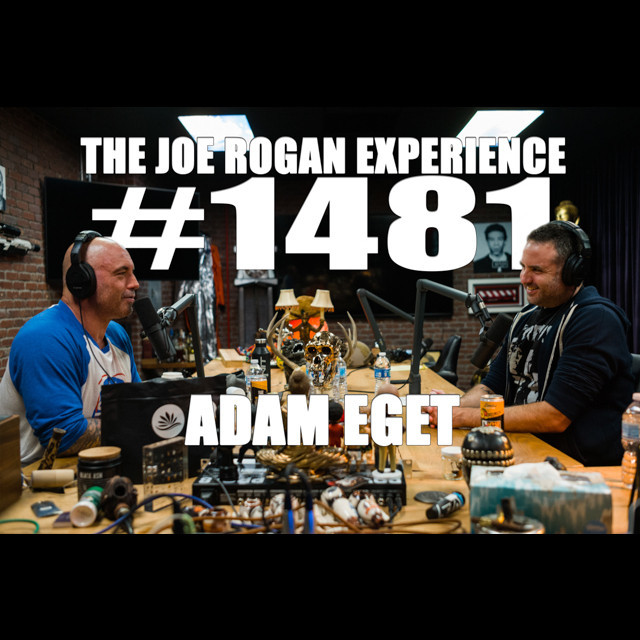
This Joe Rogan podcast with Adam Eget, talent coordinator at The Comedy Store and sidekick on Norm MacDonald’s Netflix show, dives deep into various topics, showcasing Rogan’s signature blend of comedy, current events, and thought-provoking discussions. The podcast explores the ever-evolving landscape of stand-up comedy, touches upon the anxieties of the COVID-19 pandemic, delves into the surreal world of cults, and ventures into conspiracy theories, highlighting Rogan’s fascination with the darker corners of human nature.
Major Topics Breakdown:
Here’s a breakdown of the podcast’s major topics, delving into their nuances and underlying themes:
1. The Comedy Store’s Transformation:
- Adam Eget details his return to The Comedy Store as talent coordinator, marking a significant shift in the club’s dynamic.
- The podcast highlights the stark contrast between the old guard, characterized by routine acts and a lack of evolution, and the new generation of comedians, known for their fresh perspectives and constant innovation.
- Eget emphasizes the importance of writing and constant development in stand-up comedy, showcasing how the Rose Battle format forces comedians to hone their skills.
- The podcast reflects on the cyclical nature of The Comedy Store, highlighting its periods of greatness and decline, influenced by talent and leadership.
2. The COVID-19 Pandemic and its Impact on Society:
- The podcast examines the evolving narrative surrounding the COVID-19 pandemic, questioning the effectiveness of lockdowns and exploring alternative perspectives on managing the virus.
- Rogan and Eget discuss the mental health implications of isolation, highlighting the rise in suicide and despair as people struggle with economic hardship and uncertainty.
- The podcast advocates for personal responsibility and strengthening the immune system, emphasizing the importance of Vitamin D, zinc, and healthy lifestyle choices.
- The podcast explores the potential for class warfare as the pandemic exacerbates existing inequalities, with those who can afford to stay home urging others to return to work, regardless of the risks.
3. The Allure and Dangers of Cults:
- Adam Eget shares his personal experience as a teenager at a cult-like boarding school, CEDU, detailing the intense indoctrination techniques, sleep deprivation, and emotional manipulation.
- The podcast examines the underlying power dynamics within cults, exposing the motivations of those seeking to control and exploit vulnerable individuals.
- The podcast highlights the similarities between cults and other belief systems, from Scientology to Catholicism, exposing the potential for abuse and manipulation within organizations that demand blind faith and obedience.
- The podcast discusses the difficulty of escaping a cult’s influence, even after leaving the environment, emphasizing the need for support, critical thinking, and time to re-orient one’s worldview.
4. The Dark Side of the CIA and LSD Experiments:
- The podcast delves into the controversial history of the CIA’s MKUltra program, highlighting their unethical experiments with LSD and mind control.
- The podcast examines the potential impact of these experiments on individuals like Ted Kaczynski, the Unibomber, who may have been permanently altered by their experiences.
- The podcast highlights the profound ethical implications of government-sanctioned abuse of power and the long-lasting consequences of psychological manipulation.
- The podcast encourages reflection on the potential for unchecked power and the importance of holding institutions accountable for their actions.
5. Stand-Up Comedy’s Relationship with Authenticity and Hypnosis:
- The podcast discusses the significance of authenticity in stand-up comedy, emphasizing the importance of a comedian’s personal experiences and genuine voice.
- The podcast draws parallels between stand-up comedy and hypnosis, exploring the potential for comedic performance to influence and manipulate an audience’s perception.
- The podcast highlights the power dynamics inherent in comedic performance, where the comedian holds the stage and directs the audience’s attention and emotions.
- The podcast examines the fine line between comedy and manipulation, suggesting that both rely on an understanding of human psychology and the ability to connect with an audience on a deeper level.
6. The Importance of Balance and Individual Responsibility:
- The podcast advocates for a balanced approach to the pandemic, arguing that individual responsibility and personal choices should be prioritized over government mandates and lockdowns.
- The podcast promotes the importance of critical thinking and questioning the dominant narratives surrounding the pandemic, encouraging listeners to explore alternative perspectives and solutions.
- The podcast emphasizes the need to protect vulnerable populations while also empowering individuals to make their own decisions regarding their health and well-being.
- The podcast ultimately suggests that the key to navigating the pandemic lies in a combination of education, informed decision-making, and a commitment to individual freedom.
Memorable Quotes:
- “We live in the age of everyone pretending they’re not lying about this. No one’s gonna be honest.” – Rogan reflects on the prevalence of misinformation and manipulation in the digital age.
- “People are angry, and until things bounce back to a steady place, I don’t think that’s gonna resolve itself.” – Eget expresses concern about the lasting impact of the pandemic on societal anger and division.
- “There’s so much of life is really horseshit.” – Rogan acknowledges the absurdity of life’s challenges, urging listeners to focus on what truly matters.
- “You gotta keep people from being people.” – Rogan emphasizes the importance of accountability to prevent individuals from abusing power and harming others.
- “It’s like when you do drugs around people, there’s always people that have answers.” – Eget humorously connects drug use to the allure of cults and charismatic leaders.