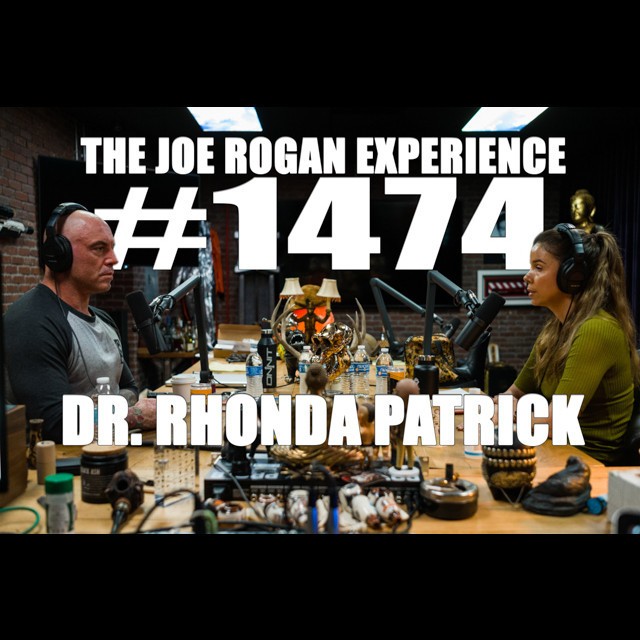
14-May-20
This episode of the Joe Rogan podcast features a conversation with Dr. Rhonda Patrick, a Ph.D. in biomedical science and expert on nutritional health, diving deep into the intricacies of the human immune system and exploring potential ways to strengthen it. The discussion covers a wide range of topics, including viral exposure, genetics, vitamin D’s role in immunity, the effectiveness of various supplements, and the importance of sauna use. The conversation also touches upon the societal impact of the COVID-19 pandemic, highlighting the challenges of navigating public health concerns amidst societal restrictions and conflicting information.
Major Topics and Summary
Here are 15 key topics discussed in the podcast, each with a concise summary.
1. The Role of Previous Viral Exposure in Immune Response
- Studies suggest that prior exposure to viruses, such as cytomegalovirus (CMV), significantly impacts immune function.
- CMV, present in 50-80% of adults, can enhance immune response in younger individuals but potentially impair it in older adults.
- This raises questions about how previous viral exposures might contribute to individual variations in COVID-19 severity.
- The podcast explores the possibility of cross-immunity between coronaviruses, including those responsible for the common cold.
2. The Mystery of Asymptomatic COVID-19 Cases
- The podcast examines the phenomenon of large groups of individuals experiencing asymptomatic COVID-19, particularly in prisons and meatpacking plants.
- The discussion differentiates between truly asymptomatic cases and presymptomatic individuals, emphasizing the importance of follow-up testing.
- The possibility of pre-existing immunity due to prior exposure to other coronaviruses is explored as a potential explanation for asymptomatic cases.
- The need for further research into the factors contributing to asymptomatic COVID-19 is highlighted.
3. The Potential Therapeutic Benefits of Monoclonal Antibodies
- The podcast discusses the promising therapeutic potential of monoclonal antibodies, which can be isolated from llamas or humans who have been infected with SARS-CoV-2.
- Monoclonal antibodies can specifically target the virus’s spike protein, potentially preventing it from entering cells.
- While a promising approach, the limitations include the challenge of large-scale manufacturing and the potential for short-lived protection.
- The podcast highlights the potential for monoclonal antibodies to be used both preventively and as a treatment for existing COVID-19 infections.
4. The Concerns of Antibody-Dependent Enhancement
- The podcast addresses the concern of antibody-dependent enhancement, a phenomenon where non-neutralizing antibodies can worsen viral infection.
- This was a major issue with the RSV vaccine, leading to serious complications in some toddlers.
- While monoclonal antibodies are more specific, the podcast notes the ongoing concerns about antibody-dependent enhancement as a potential risk with COVID-19 vaccines.
- The discussion underscores the complexity of the immune response and the need for careful research and development of vaccines and treatments.
5. The Potential Role of Genetics in COVID-19 Severity
- The podcast explores the potential role of genetics in determining COVID-19 severity, particularly in relation to a specific mutation in the spike protein.
- The podcast notes a higher mortality rate associated with the glycine mutant, prevalent in Europe and North America, compared to the aspartate form found in Asia.
- Genetic studies have identified a link between this mutation and a gene involved in viral entry, potentially explaining the regional differences in COVID-19 outcomes.
- The discussion emphasizes the need for further research into the genetic factors influencing COVID-19 susceptibility and severity.
6. Blood Type and COVID-19 Susceptibility
- The podcast highlights research suggesting a potential link between blood type and COVID-19 susceptibility, building on observations from the SARS-CoV-1 outbreak.
- Individuals with type O blood appear to have a lower incidence of COVID-19, possibly due to the presence of type A antibodies that neutralize the virus.
- Type O blood is also associated with lower levels of von Willebrand factor, a clotting factor implicated in COVID-19 complications.
- While intriguing, the podcast acknowledges that more research is needed to definitively establish the role of blood type in COVID-19 outcomes.
7. The Importance of Vitamin D in Immune Function
- The podcast strongly emphasizes the crucial role of vitamin D in immune function, drawing from extensive research and clinical trials.
- Dr. Patrick highlights the prevalence of vitamin D deficiency in the US population, with 70% having insufficient levels and 28% experiencing deficiency.
- Vitamin D deficiency has been linked to increased susceptibility to respiratory infections and may contribute to the severity of COVID-19, particularly in vulnerable populations like African Americans and the elderly.
- The podcast discusses the importance of sun exposure for vitamin D synthesis, the impact of melanin on vitamin D production, and the potential of vitamin D supplementation as a preventive measure against respiratory infections.
8. The Potential of Vitamin D as a COVID-19 Therapeutic
- Dr. Patrick explores the potential of vitamin D as a therapeutic for COVID-19, citing studies demonstrating a correlation between vitamin D deficiency and severe COVID-19 outcomes.
- The podcast highlights studies showing significantly lower rates of severe and critical COVID-19 in individuals with sufficient vitamin D levels.
- While acknowledging the need for further research, Dr. Patrick suggests that vitamin D supplementation might be a valuable adjunct to standard COVID-19 treatment.
- The podcast emphasizes the importance of ongoing clinical trials to evaluate the efficacy of vitamin D as a therapeutic for COVID-19.
9. The Mechanism of Vitamin D in Lung Health
- The podcast delves into the mechanism by which vitamin D might influence lung health, focusing on its interaction with the ACE2 receptor.
- The ACE2 receptor, targeted by SARS-CoV-2 for entry into cells, is also crucial for preventing lung damage and acute respiratory distress syndrome (ARDS).
- Studies suggest that vitamin D can increase ACE2 levels, potentially protecting against lung injury.
- The podcast emphasizes the complex interplay between vitamin D, ACE2, and lung health, suggesting that vitamin D might offer protection against COVID-19-related lung complications.
10. Vitamin C: Oral vs. Intravenous
- The podcast explores the distinct effects of oral and intravenous vitamin C supplementation.
- Oral vitamin C has limited bioavailability, with maximum plasma levels reached at approximately 3 grams daily.
- Intravenous vitamin C bypasses these limitations, achieving significantly higher plasma levels and potentially generating hydrogen peroxide, which has antiviral and anticancer effects.
- The podcast discusses the potential of intravenous vitamin C as a therapeutic for various conditions, including sepsis and COVID-19.
11. The Benefits and Considerations of Intravenous Vitamin C
- Dr. Patrick shares her personal experience with intravenous vitamin C, highlighting its potential for boosting immunity and treating infections.
- The podcast discusses the mechanism of action of intravenous vitamin C, including its ability to generate hydrogen peroxide and act as an antioxidant for immune cells.
- The discussion addresses the potential of intravenous vitamin C as a therapeutic, particularly in combination with other treatments.
- The podcast emphasizes the need for medical supervision and careful consideration when using intravenous vitamin C.
12. Zinc: A Vital Nutrient for Immune Function
- The podcast highlights the critical role of zinc in immune function, emphasizing its importance for T cell activity and overall immune response.
- The discussion covers the potential of zinc supplementation to shorten the duration of the common cold.
- The podcast notes the potential for zinc deficiency in vegetarians and the importance of ensuring adequate intake.
- Dr. Patrick suggests that zinc supplementation might be a valuable component of an immune-boosting regimen.
13. Quercetin: A Potential Antiviral and Senolytic Agent
- The podcast explores the potential benefits of quercetin, a flavonoid found in various foods and supplements.
- Quercetin has been shown to have antiviral activity against SARS-CoV-1 and may offer protection against COVID-19.
- The podcast also discusses the senolytic properties of quercetin, which means it can clear senescent cells, potentially contributing to healthy aging.
- Dr. Patrick encourages further research into the potential benefits of quercetin for human health.
14. The Benefits and Science Behind Sauna Use
- The podcast delves into the numerous benefits of sauna use, highlighting its impact on cardiovascular health, mood, and immune function.
- Dr. Patrick shares her personal experience with sauna use, emphasizing its role in stress reduction and enhancing performance.
- The podcast discusses the research supporting the cardiovascular benefits of sauna use, including its ability to mimic exercise and improve heart rate variability.
- The podcast also explores the potential of sauna use as a therapeutic for depression, citing research on the antidepressant effects of heat stress.
15. The Importance of Resistance Training
- The podcast emphasizes the importance of resistance training for overall health and well-being, particularly for aging individuals.
- Dr. Patrick discusses the benefits of resistance training, including improved muscle mass, bone density, tendon strength, and cognitive function.
- The discussion touches upon the potential risks associated with improper form and the importance of seeking guidance from a qualified trainer.
- The podcast encourages listeners to incorporate resistance training into their fitness routines.
16. The Power of Sleep for Immune Function
- The podcast highlights the essential role of sleep in immune function, emphasizing its importance for regulating insulin sensitivity, hormone production, and overall immune response.
- Dr. Patrick shares her experience with sleep disruptions related to motherhood and the impact on her own glucose levels.
- The discussion emphasizes the potential risks associated with sleep deprivation, including increased susceptibility to illness.
- The podcast encourages listeners to prioritize sleep as a vital component of overall health.
17. Navigating the Societal Impact of the Pandemic
- The podcast explores the societal impact of the COVID-19 pandemic, highlighting the challenges of navigating public health concerns, conflicting information, and societal restrictions.
- Dr. Patrick expresses her frustration with the inconsistency and sometimes illogical nature of government regulations.
- The discussion emphasizes the need for a more nuanced and evidence-based approach to public health policies, advocating for individual agency and informed decision-making.
- The podcast encourages listeners to critically evaluate information and seek evidence-based guidance for making informed choices regarding their health and well-being.
18. The Role of Testing in Managing the Pandemic
- The podcast emphasizes the importance of widespread testing as a key tool for managing the pandemic.
- The discussion highlights the limitations of current PCR testing, particularly in terms of accuracy and the challenge of differentiating between asymptomatic and presymptomatic individuals.
- The podcast explores the potential of saliva-based testing as a more efficient and accessible option.
- The discussion encourages the development and implementation of reliable and accessible testing methods for better management of the pandemic.
19. The Importance of Adapting and Reopening the Economy
- The podcast advocates for a more balanced approach to managing the pandemic, emphasizing the need to adapt to the evolving understanding of the virus and its effects.
- Dr. Patrick expresses her concern about the economic and social consequences of prolonged lockdowns, advocating for a responsible reopening of the economy.
- The discussion underscores the importance of personal responsibility, such as mask-wearing and social distancing, in mitigating the spread of the virus.
- The podcast encourages a more nuanced and informed approach to managing the pandemic, balancing public health concerns with economic and social needs.
20. The Importance of Finding a Balance: Health, Fitness, and Lifestyle
- The podcast concludes by emphasizing the importance of finding a balance between health, fitness, and lifestyle choices.
- Dr. Patrick highlights the challenges of maintaining a healthy lifestyle, particularly for busy individuals with families and careers.
- The discussion encourages listeners to prioritize their health and well-being, incorporating practices that promote both physical and mental health.
- The podcast emphasizes the importance of individual agency and making informed choices that support a fulfilling and healthy life.
Memorable Quotes
- “Vitamin D Deficiency is what makes it worse, and then you’re staying inside, so you’re not getting any vitamin d. Yeah. You’re becoming even more deficient. You know?”
- “…the vitamin d, like, it hasn’t vitamin I’m not saying that vitamin d is gonna prevent you from getting COVID-nineteen or it’s a treatment, although I am involved in a clinical study where we’re going to be testing a very small open arm study we can talk about. But you know, I’m not a physician. I’m a medical doctor. I’ve never intubated anyone. So don’t think I’m saying that. I don’t want people to think I’m saying it’s treatment. I just want to — it’s a hypothesis that needs to be tested.”
- “It’s insane. And also in Sweden, there’s a huge population of Somalia that have migrated to Sweden. And they have been identified as being severely vitamin d deficient because a lot of the somalis have off they’re also, like, like, autism rates are really high there, and there’s this link between I published a link also between vitamin d and autism. But so there’s been studies looking at vitamin d levels in the somali population. I mean, they are so deficient because you’re taking, again, you’re taking someone who’s supposed to be who’s, you know, evolved to be getting a lot of sun, but not burn from it. And then and then putting them in a place where they they can’t get any vitamin d from the sun. And if they don’t get a supplement, like, they’re gonna be deficient, you know, and they’re so much more like they’re they’re like it’s it’s wreaking havoc in Sweden on the smalley population.”
- “…the the the reason there’s a big reason I think that vitamin d is so important. It’s for the lung function and the respiratory function. But what’s really interesting is that, you know, the The very receptor that this SARS Co2 virus binds to to gain entry into the cell, it’s called ACE2. That very receptor plays a really important role in preventing lung damage and and basically, and preventing acute lung injury, preventing acute respiratory distress syndrome ARDS.”
- “…the the the whole the thing that I I just think that I would like to see more research, and I’m just hoping, you know, that that CDC and other people are are investigating these these other the cross immunity, right? Like, if there’s antibodies that you’re making against another coronavirus, beta coronavirus is in the same family as this SARS 1. No one’s had charged one in the United States. You know? So like that one doesn’t that that’s not as relevant as but the common cold, you know, that’s that’s very common. Right? Mhmm. So if 15% to 30% of the common cold is composed of coronaviruses, we know at least 2 of those coronavirus are are in the same family that have been identified to make at least in one case there’s been neutralizing antibodies. So there has been cross immunity then you’d think, why why not test that? Like, let’s get some animal studies started on that. You know?”