17-Mar-20
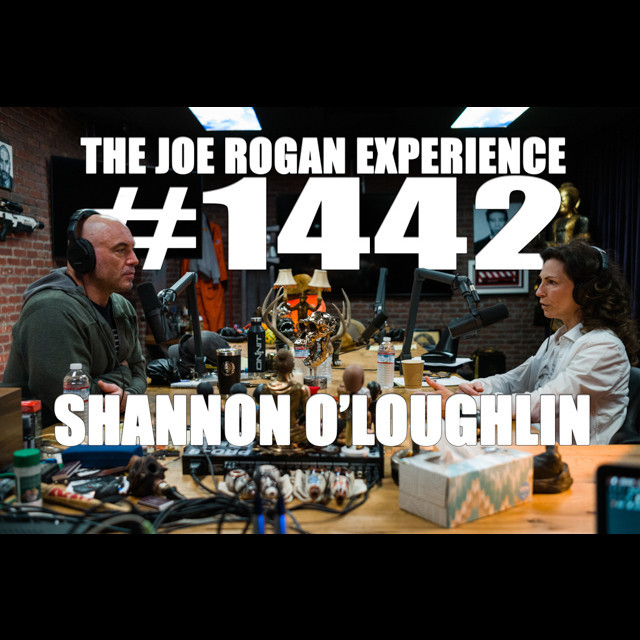
This podcast features a conversation with Shannon O’Loughlin, Executive Director and attorney for the Association on American Indian Affairs, and a citizen of the Choctaw Nation of Oklahoma. The discussion delves into the complex history of the United States’ relationship with Native Americans, touching on themes of colonization, assimilation, sovereignty, and the enduring impact of past injustices. Shannon passionately advocates for the rights and perspectives of indigenous peoples, challenging ingrained narratives and shedding light on ongoing struggles.
Major Topics and Summary
-
The Doctrine of Discovery and Its Legacy:
- The Doctrine of Discovery, a legal principle established in the 17th century, granted European nations the right to conquer and claim indigenous lands.
- This doctrine underpins much of the US government’s historical treatment of Native Americans, justifying dispossession and cultural suppression.
- Shannon argues that the doctrine, rooted in racism and colonialism, continues to affect tribal sovereignty and land rights today.
- The lasting impacts of the Doctrine of Discovery highlight the need for critical examination of historical narratives and the ongoing pursuit of justice for indigenous communities.
-
The United States’ History of Assimilation and Genocide:
- The US government, through its policies, actively sought to assimilate Native Americans into European culture, forcing them to abandon their languages, traditions, and spiritual practices.
- This assimilation process involved the brutal removal of indigenous peoples from their ancestral lands, including the Trail of Tears, and the establishment of reservation systems.
- The use of boarding schools, designed to eradicate Native American culture and replace it with Euro-American values, resulted in widespread abuse, trauma, and the loss of cultural identity.
- Shannon emphasizes that these policies represent a systematic genocide, not just a historical event, and the impacts continue to affect Native American communities today.
-
The Complexities of Tribal Sovereignty:
- Native American tribes hold sovereignty within the United States, meaning they have their own governments, laws, and systems of governance.
- This sovereignty is often limited or challenged by federal and state laws, creating a complicated legal landscape that impacts tribal rights and self-determination.
- Shannon highlights the paradoxical nature of tribal sovereignty, where tribes are simultaneously recognized as nations and subjected to the authority of the US government.
- This tension between sovereignty and subjugation underscores the ongoing fight for indigenous rights and the need for a more equitable relationship between the US government and tribal nations.
-
The Impact of Blood Quantum:
- Blood quantum, a measure of Native American ancestry used to determine tribal citizenship, is a construct imposed by the US government and has been used to undermine tribal identity and sovereignty.
- Shannon emphasizes that blood quantum does not reflect the cultural and spiritual ties that define tribal membership and should not be used as a measure of “Indianness.”
- The focus on blood quantum reflects a racialized understanding of indigenous identity that ignores the fluidity and diversity of tribal membership.
- The ongoing debate over blood quantum highlights the need for a more inclusive and culturally sensitive approach to understanding tribal citizenship and belonging.
-
The Importance of Tribal Self-Determination:
- Shannon argues that the key to addressing the ongoing issues facing Native American communities lies in empowering tribal nations to make decisions about their own future.
- This empowerment includes the right to self-governance, the control of tribal lands and resources, and the freedom to practice and revitalize their cultures.
- She stresses that the US government should respect tribal sovereignty and provide resources and support for tribal self-determination.
- The pursuit of tribal self-determination is a vital step towards achieving justice, healing, and a brighter future for indigenous communities.
-
The Role of Public Education:
- Shannon emphasizes the critical role of public education in changing public perceptions of Native Americans and fostering a more just and equitable society.
- She advocates for a curriculum that accurately reflects the history, culture, and contemporary experiences of indigenous peoples.
- By challenging stereotypes and promoting understanding, public education can play a significant role in dismantling the racist and colonial narratives that have dominated discussions about Native Americans.
- The importance of education lies in fostering empathy, respect, and a deeper understanding of the ongoing challenges facing indigenous communities.
-
The Ongoing Struggle Against Discrimination and Prejudice:
- Shannon highlights the persistent discrimination and prejudice faced by Native Americans in the US, including the use of offensive stereotypes and the denial of basic rights.
- She cites the example of the Washington Redskins, whose name is considered deeply offensive by many indigenous groups, as evidence of the ongoing need for a cultural shift.
- The ongoing fight against discrimination necessitates a broader societal commitment to dismantling racist ideologies and challenging the continued use of offensive terms and imagery.
- The struggle for equality and respect requires a fundamental shift in how the US acknowledges and addresses the legacies of colonialism and racism.
-
The Importance of Cultural Revitalization and Language Preservation:
- Shannon emphasizes the critical importance of cultural revitalization and language preservation for the survival and well-being of indigenous communities.
- She discusses the success stories of tribes that have worked to reclaim and revitalize their languages and traditions, often drawing on historical archives and community knowledge.
- Cultural revitalization is a powerful form of resistance and healing, allowing indigenous communities to reclaim their identities and pass on their heritage to future generations.
- The fight for cultural survival underscores the need for a more inclusive and respectful approach to understanding indigenous cultures and the importance of supporting tribal efforts to preserve their heritage.
-
The Need for a Deeper Understanding of Indigenous Worldviews:
- Shannon challenges conventional scientific narratives about the origins and history of indigenous peoples, suggesting that Western science has often disregarded indigenous knowledge systems and worldviews.
- She advocates for incorporating indigenous perspectives into scientific research and recognizing the value of traditional ecological knowledge.
- By acknowledging the unique perspectives and wisdom of indigenous peoples, a more comprehensive and nuanced understanding of the natural world can emerge.
- The integration of indigenous worldviews is essential for fostering a more inclusive and respectful understanding of human history and the planet’s ecosystems.
-
The Ongoing Struggle for Land Rights and Environmental Justice:
- Shannon discusses the ongoing fight for Native American land rights and environmental justice, highlighting the challenges of protecting sacred sites, ensuring clean water, and resisting harmful development projects.
- She cites the example of the Dakota Access Pipeline, where indigenous communities have fought against the construction of a pipeline that threatens sacred sites and water sources.
- The fight for land rights and environmental justice requires a commitment to upholding treaty rights, respecting tribal sovereignty, and prioritizing the health and well-being of the natural world.
- The struggle highlights the interconnectedness of social and environmental issues, underscoring the need for a more just and sustainable relationship with the planet.
-
The Power of Storytelling and Sharing Indigenous Narratives:
- Shannon emphasizes the vital role of storytelling in preserving and sharing indigenous knowledge, histories, and cultures.
- She advocates for the empowerment of indigenous voices and the need for a more inclusive approach to storytelling, moving beyond colonial narratives and promoting authentic indigenous perspectives.
- The power of storytelling lies in its ability to connect people across generations, cultures, and perspectives, fostering empathy and understanding.
- By sharing their stories, indigenous communities can reclaim their narratives, build connections, and challenge the dominant narratives that have often marginalized their voices.
-
The Role of Native American Casinos in Economic Development:
- Shannon discusses the role of Native American casinos in economic development, highlighting their significance in providing revenue and employment opportunities for tribal communities.
- She emphasizes that casino profits are often directed towards essential services like education, healthcare, and cultural preservation, promoting economic self-sufficiency for tribes.
- However, she also acknowledges the challenges faced by tribes in navigating the complexities of state regulations and the ongoing push for increased taxation of casino revenues.
- The discussion of gaming underscores the complexities of tribal economic development, the importance of self-determination, and the need for a more equitable approach to tribal sovereignty.
-
The Importance of Intergenerational Healing and Resilience:
- Shannon recognizes the enduring impact of historical trauma on Native American communities and the importance of healing from past injustices.
- She highlights the strength and resilience of indigenous peoples, who have endured centuries of oppression and continue to fight for a better future.
- She emphasizes the need for community-based healing initiatives that address the collective trauma experienced by indigenous communities.
- The pursuit of healing is a critical step in moving forward, allowing indigenous peoples to reclaim their identities, rebuild their communities, and create a brighter future for their children.
-
The Importance of Prior Informed Consent:
- Shannon stresses the importance of prior informed consent, a principle enshrined in the UN Declaration on the Rights of Indigenous Peoples, which requires the involvement of indigenous communities in decision-making processes that affect them.
- She criticizes the US government’s disregard for this principle in recent years, citing examples like the Dakota Access Pipeline and the construction of the border wall.
- Prior informed consent is essential for ensuring that indigenous voices are heard, tribal sovereignty is respected, and projects are developed in a manner that minimizes harm to indigenous communities and the environment.
- The pursuit of prior informed consent is a fundamental step towards fostering a more just and equitable relationship between the US government and indigenous peoples.
-
The Ongoing Importance of the Association on American Indian Affairs:
- Shannon highlights the crucial role of the Association on American Indian Affairs (AAIA) in advocating for the rights and interests of indigenous peoples.
- The AAIA focuses on issues like repatriation, sacred site protection, and promoting tribal self-determination, providing legal and policy expertise to support indigenous communities.
- The organization’s work is essential for ensuring that indigenous voices are heard, their rights are upheld, and their cultures are protected.
- The AAIA exemplifies the ongoing commitment of indigenous advocates and organizations to fighting for justice, equality, and a brighter future for Native American communities.
Memorable Quotes
- “The genocide is ongoing. So this is not something from the past. This is something that continues today that we still are working to fight against.”
- “This country was founded on massacres.”
- “We need to be part. We need to be the decision makers in the things that affect us.”
- “We’re not on the stage with everyone else. We’re not at the table where decisions are being made. We’re not in the room where it happens.”
- “It’s not ours to look at. This is a part of the tribes and a part of your culture.”