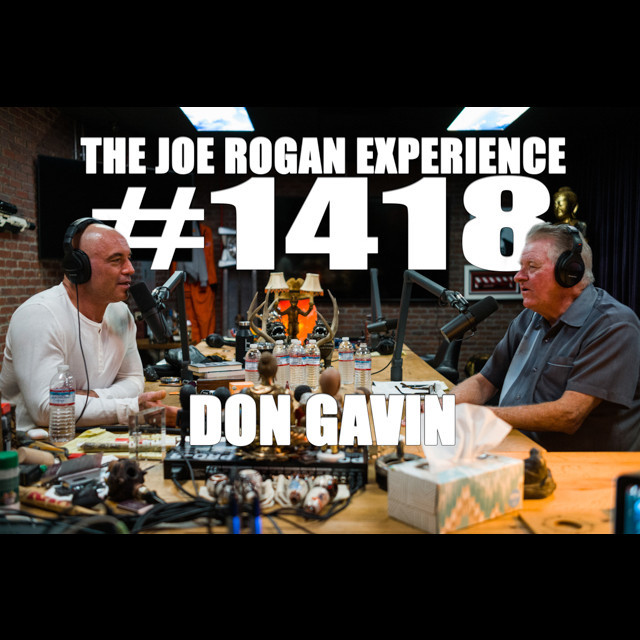
23-Jan-20
This podcast offers a fascinating look at the early days of Boston comedy, a time marked by raw talent, relentless energy, and a culture of wild abandon. Don Gavin, a stand-up comedian and actor, shares his personal experiences and insights into this unique and often chaotic era.
The podcast delves into the origins of comedy clubs in Boston, highlighting the Dingo, a saloon-turned-comedy venue, as a pivotal point. It chronicles the rise of Boston comedy as a distinct force, emphasizing the importance of aggressive humor and the absence of any defined “Boston style.”
Provocative topics include the prevalence of drug use and heavy drinking among comedians, the financial challenges of early stand-up, and the IRS crackdown on entertainers. Underlying themes explore the allure of a thriving, supportive community, the importance of raw talent, and the enduring legacy of Boston comedy.
Major Topics in the Podcast
- The Origins and Evolution of Boston Comedy:
- The Dingo, a saloon-turned-comedy venue, as a pivotal point in Boston’s comedy scene.
- The absence of a defined “Boston style” and the emergence of a distinct comedy culture.
- The rise of numerous comedy clubs in Boston, including Nick’s Comedy Stop, the Comedy Connection, and the Comedy Club of the Charles.
- The changing landscape of Boston comedy, from a comedian-run scene to a corporate-driven one, and its impact on the industry.
- The Boston Comedy Culture:
- The prevalence of drug use, especially cocaine, and heavy drinking among comedians.
- The competitive and often aggressive nature of the Boston comedy scene.
- The importance of being able to hold your own both on stage and off, both physically and comedically.
- The sense of camaraderie and mutual respect amongst the Boston comedians, despite the intense competition.
- Financial Challenges of Early Stand-Up:
- The low pay and unpredictable income for early stand-up comedians.
- The reliance on cash payments and the subsequent tax issues that arose.
- The struggles with the IRS and the widespread consequences faced by many comedians.
- The difficulty of breaking out of Boston and achieving national success, given the intense local competition.
- Don Gavin’s Personal Journey:
- Gavin’s late entry into stand-up comedy, having previously worked as a teacher and coach.
- His initial hesitation and self-doubt about his comedic abilities.
- His rapid rise in Boston’s comedy scene, despite his late start.
- His decision to release his first comedy album after a decade, seeking to share his talent with a wider audience.
- The Impact of Boston Comedy:
- The unique and influential nature of Boston comedy, with its aggressive style and focus on raw talent.
- The enduring legacy of Boston comedy, with many of its stars achieving national and international recognition.
- The lack of recordings and documentation of the early Boston comedy scene, making it difficult to fully appreciate its significance.
- The continued relevance of Boston comedy, with a new generation of comedians emerging from the city.
- The Rise of Comedy Clubs:
- The importance of comedy clubs in providing a platform for stand-up comedians to develop their craft.
- The transition from small, intimate clubs to larger, more corporate venues and its impact on the comedy scene.
- The role of comedy clubs in fostering community and providing a space for comedians to connect with audiences.
- The enduring popularity of comedy clubs, particularly those that maintain a sense of authenticity and connection to the original spirit of the art form.
- The Role of Drugs and Alcohol:
- The prevalence of drug and alcohol use as a part of the Boston comedy culture.
- The impact of drug and alcohol use on the creativity and performance of comedians.
- The challenges of maintaining a career in comedy while struggling with addiction.
- The evolution of the comedy scene, with a greater emphasis on sobriety and health.
- The Importance of Storytelling:
- The power of personal stories in connecting with audiences and creating relatable humor.
- The importance of honing and refining stories to ensure maximum impact.
- The role of observation and life experiences in providing material for stand-up comedy.
- The ability to adapt and evolve stories to resonate with different audiences.
- The Future of Stand-Up Comedy:
- The impact of the internet and social media on the stand-up comedy industry.
- The increasing accessibility of stand-up comedy through streaming services and online platforms.
- The importance of consistency and content creation in building a successful career in stand-up comedy.
- The enduring appeal of live stand-up comedy and its unique connection with audiences.
- Don Gavin’s Comedy Style:
- Gavin’s fast-paced, aggressive style, marked by quick wit and sharp punchlines.
- His observational humor, drawing from his own experiences and observations of the world around him.
- His use of self-deprecating humor, poking fun at his own quirks and flaws.
- His ability to connect with audiences on a personal level, despite his sometimes controversial material.
5 Memorable Quotes from the Podcast
- “It was almost like, well, you better be funny. And, also, if a fight breaks out, you better be good at that too.” – Don Gavin captures the rough-and-tumble nature of Boston comedy.
- “That was the thing about Boston. Like, when a guy came into town, like, if you do stand up in any like, you do stand up in Philadelphia. Like, if you showed up in Philadelphia, people would go, oh, let’s go see Don Gavin. they would wanna go see you. Right. But you do stand up in Boston, you from out of Boston. Everybody’s like, fuck this guy.” – Gavin highlights the local bias and fierce competition in Boston’s comedy scene.
- “People were saying, like, you never seen nothing like it in your life. This poor guy’s movie star, and he went on stage just eight plates of shit.” – Gavin describes the legendary intensity of Boston comedy shows, where outside headliners often faced a barrage of savage humor.
- “Comedy clubs became that business. It’s a asylum that needs to be run by the inmates.” – Gavin argues that the best comedy clubs are those that allow comedians to have a strong influence on the creative environment.
- “I’m very grateful that he did find it. I think if I was teaching it in a different venue, where I was teaching more advanced kids. I was in a vocational school where they didn’t want to do you know, 1 week they’d be in shop, the next week they’d be with me, and they didn’t wanna be with me. You know?” – Gavin reflects on his path into comedy, acknowledging that he might have stayed in teaching if he’d found a more fulfilling environment.