18-Jan-20
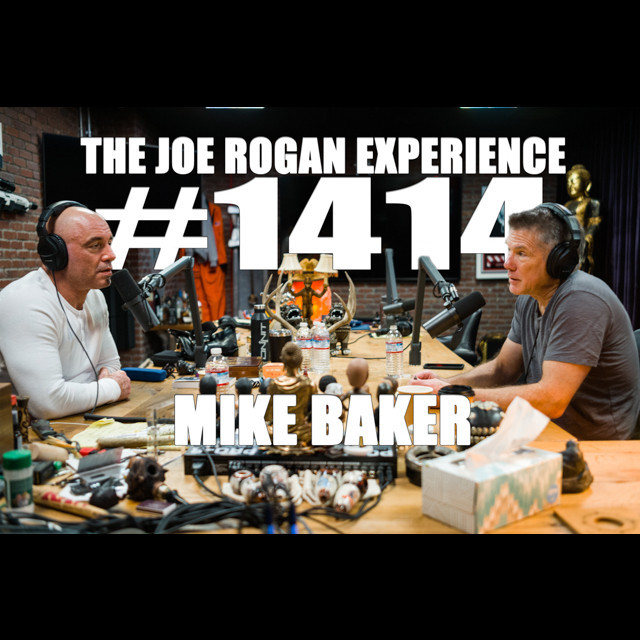
This podcast dives into a conversation with Mike Baker, a former CIA covert operations officer and president of Diligence LLC. With a background in global intelligence and security, Baker provides insightful commentary on current geopolitical events, particularly focusing on Iran and China. Provocative topics include the assassination of Qasem Soleimani, the impact of Trump’s foreign policy, the intricacies of intelligence gathering, the ongoing Huawei controversy, and the complex relationship between the US and its allies. Underlying themes explore the dynamics of power, the influence of technology on national security, and the complexities of navigating a rapidly changing world.
Podcast Topics
-
The Assassination of Qasem Soleimani:
- Baker argues that Soleimani was a “bloodthirsty douche bag” responsible for countless deaths, justifying his assassination.
- He emphasizes Soleimani’s role as the second most important figure in the Iranian regime and his long history as a target for international forces.
- Baker delves into Soleimani’s strategic maneuvering, highlighting his ability to manipulate Sunni extremists for Iran’s benefit.
- He dismisses the narrative of assassinating a “foreign leader” or “revered scholar,” emphasizing Soleimani’s status as a terrorist.
-
Trump’s Foreign Policy:
- Baker expresses surprise at Trump’s willingness to authorize Soleimani’s assassination, highlighting the unconventional nature of his decision-making process.
- He acknowledges that while he disagrees with Trump on many issues, he supports some of his foreign policy decisions, particularly those related to Iran and China.
- Baker highlights the political polarization that hinders objective assessments of Trump’s actions, even when they yield positive results.
- He discusses the impact of Trump’s unpredictable nature on global affairs, emphasizing the need for pragmatism and a multi-layered approach.
-
The Iran Crisis:
- Baker contends that Iran’s regime, while brutal, is not suicidal, explaining their reluctance to engage in direct military conflict with the US.
- He highlights the importance of Soleimani’s assassination for deterrence purposes, emphasizing the shift in the calculus of US-Iran relations.
- Baker analyzes the potential repercussions of a military conflict, suggesting a swift and decisive victory for the US, but also acknowledging potential collateral damage.
- He expresses cautious optimism about the future of US-Iran relations, citing the increased economic and diplomatic pressure on the Iranian regime.
-
The Ukrainian Passenger Jet Incident:
- Baker confirms that the Iranian regime was responsible for shooting down the Ukrainian plane, attributing the incident to human error amidst heightened military tensions.
- He criticizes the Iranian regime’s initial denial and attempts to deflect blame, highlighting their history of deception.
- Baker connects the incident to the ongoing protests in Iran, suggesting that the tragedy has fueled public discontent and anger against the regime.
- He expresses skepticism about the regime’s ability to hold onto power, but also acknowledges the brutal nature of the Iranian government.
-
The Huawei Controversy:
- Baker highlights the Trump administration’s dual approach to China, involving both trade negotiations and aggressive actions against Huawei.
- He argues that the US can simultaneously pursue trade agreements and address national security threats posed by Chinese companies like Huawei.
- Baker emphasizes the importance of confronting China’s intellectual property theft and Huawei’s potential for espionage, highlighting the need for international cooperation.
- He acknowledges the difficulty of changing China’s behavior, but stresses the importance of maintaining pressure and promoting a more balanced trade environment.
-
The US-China Relationship:
- Baker discusses the deep intertwining of government and business in China, highlighting the close connection between Huawei and the Chinese state.
- He explains the strategic importance of Huawei to China’s technological ambitions, emphasizing their reliance on intellectual property theft to gain an advantage.
- Baker details the consequences of Google’s ban on Huawei phones, highlighting the potential for disruption to Huawei’s global market dominance.
- He examines the potential for future developments in the US-China relationship, emphasizing the need for both confrontation and cooperation.
-
The 2020 US Presidential Election:
- Baker analyzes the potential for Trump’s re-election, emphasizing the role of a strong economy and potential voter fatigue with change.
- He explores the challenges facing Democratic candidates, particularly their inability to effectively counter Trump’s economic successes.
- Baker discusses the possibility of a third-party challenge to Trump, suggesting that a strong, unified candidate could pose a threat to his re-election.
- He highlights the importance of engaging with political discourse in a nuanced and objective manner, arguing against simplistic narratives and partisan biases.
-
The Impact of Technology on Society:
- Baker discusses the growing dependence on technology, highlighting the potential for negative impacts on attention spans and learning abilities.
- He examines the increasing pervasiveness of social media platforms, raising concerns about their potential to create echo chambers and exacerbate social divisions.
- Baker highlights the importance of parental control and responsible usage of technology, recognizing the need for balance and moderation.
- He expresses concern about the potential for technological advancements to create unintended consequences, emphasizing the importance of critical thinking and responsible innovation.
-
The Apple-FBI Dispute:
- Baker explores the ongoing debate between Apple and the FBI over access to encrypted data on iPhones, highlighting the tension between security and privacy.
- He argues that advancements in forensic technology have rendered the FBI’s previous arguments about needing Apple’s help obsolete.
- Baker analyzes the potential consequences of granting the FBI access to encrypted data, raising concerns about government overreach and potential abuse.
- He expresses support for Apple’s position, acknowledging the importance of protecting user privacy while also recognizing the need for law enforcement to investigate crimes.
-
The Future of Cryptocurrency:
- Baker expresses skepticism about the long-term viability of cryptocurrency, questioning its underlying value and the lack of a clear regulatory framework.
- He acknowledges the increasing acceptance of Bitcoin as a form of payment, but remains uncertain about its potential to fully replace traditional currencies.
- Baker prefers gold as a safe haven asset, highlighting its historical value and tangible nature.
- He discusses the potential risks associated with Facebook’s foray into cryptocurrency, emphasizing the importance of caution and transparency in this emerging market.
-
The Epstein Case:
- Baker unequivocally states that Jeffrey Epstein did not kill himself, citing evidence of a potential conspiracy and inconsistencies in the official narrative.
- He highlights the suspicious circumstances surrounding Epstein’s death, including missing tapes, malfunctioning cameras, and the selection of a dangerous cellmate.
- Baker discusses the potential implications of Epstein’s alleged network of powerful connections, raising questions about potential cover-ups and the extent of his crimes.
- He emphasizes the importance of seeking truth and justice in the Epstein case, highlighting the need for a thorough investigation and accountability for those involved.
-
The Role of Intelligence Agencies:
- Baker asserts that US intelligence agencies do not utilize “honey traps” as a method of compromise, emphasizing the inherent risks and potential for blowback.
- He highlights the use of “honey traps” by other intelligence agencies, particularly Russia and Israel, emphasizing the potential for leverage and blackmail.
- Baker explains the process of intelligence gathering, detailing the techniques used to build relationships, test targets, and obtain information.
- He discusses the importance of recognizing the complexity of intelligence operations, cautioning against simplistic interpretations and partisan biases.
-
The Nature of Threats:
- Baker identifies Russia, China, and Iran as the top three threats to the United States, highlighting their consistent presence in the national security landscape.
- He emphasizes the importance of understanding the motivations and capabilities of these adversaries, particularly their use of cyberwarfare and social engineering.
- Baker discusses the potential for unforeseen threats, including the possibility of extraterrestrial contact, highlighting the need for a flexible and adaptable approach to national security.
- He concludes by emphasizing the importance of critical thinking, information literacy, and a balanced perspective in navigating a complex and rapidly changing world.
-
The Black Budget:
- Baker introduces the concept of the “Black Budget,” highlighting the clandestine funding of secret government programs.
- He discusses the importance of following the money trail to uncover these programs, explaining his approach to researching the “Black Budget” for his show.
- Baker details the potential implications of these programs, particularly their focus on hypersonic technology and advanced aviation.
- He explores the ethical implications of secrecy and the need for transparency in government operations, emphasizing the importance of public accountability.
-
Hypersonic Technology:
- Baker explains the concept of hypersonic flight, emphasizing its potential for both military and civilian applications.
- He discusses the challenges of developing manned hypersonic flight, highlighting the significant technical hurdles involved.
- Baker explores the implications of hypersonic missiles for national security, emphasizing the difficulty of defense against them.
- He highlights the international arms race in hypersonic technology, emphasizing the importance of staying ahead of the competition.
-
The ATIP Program:
- Baker discusses the Advanced Aviation Threat Identification Program (ATIP), a US government initiative aimed at investigating unidentified aerial phenomena (UAP).
- He shares his experiences interviewing former ATIP personnel, highlighting the intriguing nature of the program and its focus on investigating unexplained aircraft sightings.
- Baker acknowledges the possibility of UAP being foreign government technology, but also leaves open the possibility of extraterrestrial origins.
- He emphasizes the importance of taking UAP sightings seriously from a national security perspective, stressing the need for further investigation and transparency.
-
The Impact of Social Media:
- Baker expresses concern about the power of social media companies like Facebook, highlighting their ability to influence public opinion and manipulate users.
- He discusses the role of social media algorithms in promoting outrage and division, emphasizing the need for critical thinking and media literacy.
- Baker analyzes the potential for foreign entities to utilize social media to spread disinformation and influence elections, highlighting the dangers of social engineering.
- He advocates for a return to traditional voting methods, emphasizing the importance of paper ballots to ensure election integrity.
-
The Royal Family:
- Baker discusses the departure of Prince Harry and Meghan Markle from the British royal family, exploring their motivations for seeking financial independence.
- He criticizes their decision to announce their departure without consulting Queen Elizabeth II, highlighting the perceived lack of respect.
- Baker examines the financial implications of their decision, highlighting the substantial income they receive from the royal family.
- He speculates about their future plans, suggesting a potential move to Canada and a transition towards a celebrity lifestyle.
5 Memorable Quotes
- “I’m not mourning his passing. I think he deserved it. I think it’s justice that should have been served up some time ago.”
- “I just didn’t know that Trump could make the call. Like, he could be the guy that goes, take him out.”
- “The economy is great. Yeah. If it’s his decisions lead to something positive, you they they can’t accept it.”
- “It’s not assassinating a foreign leader. This is not assassinating a revered scholar. This is taking out terrorists. Bloodthirsty terrorists who have a long track record of killing people.”
- “I always say the same thing. I’m not a conspiracy guy. I tend to I tend to be very cynical about everything, but after talking to some of these folks, including Favor and and a handful of others, who were both pilots and all involved in the in the ATIP program for the US government, for the military. There’s there’s things out there that we haven’t been able to identify.”