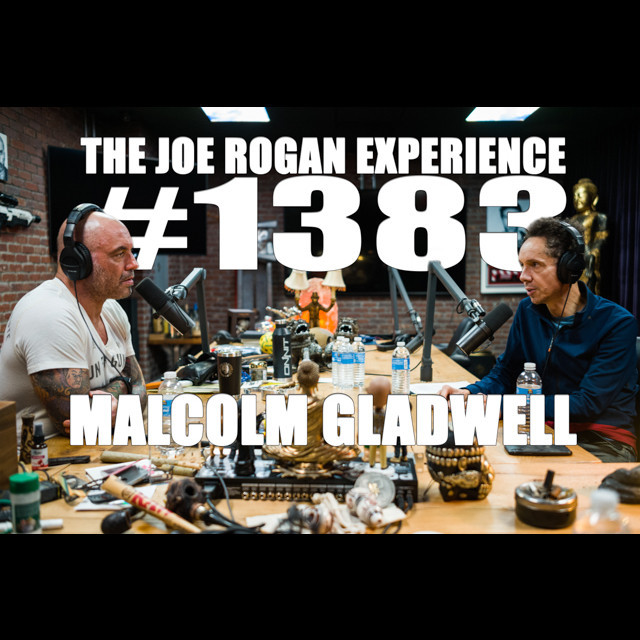
13-Nov-19
This podcast delves into Malcolm Gladwell’s insightful analysis of human behavior, particularly in the context of interactions with strangers. Provocative topics include the Sandra Bland case, police profiling, the Bernie Madoff fraud, and the challenges of communication in a digital age. Underlying themes explore the fragility of human judgment, the dangers of jumping to conclusions, and the importance of slowing down to understand the nuances of interpersonal interactions.
Major Topics:
- The Sandra Bland Case: A Study in Miscommunication:
- The case highlights the tragic consequences of miscommunication and misjudgment in encounters between law enforcement and civilians.
- The podcast examines the cop’s perspective and his reasoning for escalating the situation, highlighting the potential impact of paranoia and biases.
- It explores the broader systemic issues of policing and racial profiling, questioning the effectiveness and ethical implications of “go beyond the ticket” policies.
- The discussion raises questions about the limitations of dashcam footage and the difficulty of interpreting intent and context in complex interactions.
- The Impact of Digital Communication on Social Skills:
- The podcast explores the potential negative effects of digital communication on social skills, particularly among young people.
- It argues that digital interactions lack the same depth and nuances of face-to-face communication, resulting in a less effective rehearsal for real-world social interactions.
- The discussion highlights the challenges of navigating the complexities of social cues and non-verbal communication in a digitally dominated world.
- It raises questions about the potential for increased awkwardness and social anxiety in the absence of sufficient real-world social interaction.
- The Bernie Madoff Fraud: A Masterclass in Deception:
- The podcast examines the Bernie Madoff fraud as a case study in human fallibility and the limits of our ability to detect deception.
- It explores the concept of “default to truth,” highlighting our inherent tendency to trust and believe people, even when there are red flags.
- The discussion highlights the sophistication of Madoff’s scheme and the remarkable ability to manipulate even highly intelligent investors.
- It raises questions about the ethical implications of profiting from deception and the dangers of unchecked ambition and greed.
- The Limitations of Spotting Liars:
- The podcast challenges the common belief that we are good at detecting lies, presenting evidence suggesting that our accuracy rate is little better than chance.
- It explores the impact of non-verbal cues and our tendency to be influenced by superficial factors, potentially hindering our ability to discern truth.
- The discussion emphasizes the importance of focusing on the content of communication, especially when evaluating complex or technical information.
- It raises questions about the potential for future technologies to enhance our ability to detect deception by providing insights into intentions and thoughts.
- The Future of Communication and Mind-Reading Technology:
- The podcast speculates on the potential impact of future mind-reading technology on communication and human interaction.
- It explores the potential for enhanced understanding and reduced misunderstandings, but also acknowledges the complexities of human thought and the potential for increased confusion.
- The discussion raises ethical concerns about privacy and the implications of having direct access to another person’s thoughts.
- It considers the potential for a more nuanced and accurate understanding of cultural contexts and their influence on communication.
- Cultural Influences on Communication and Perception:
- The podcast highlights the importance of cultural context in shaping communication and understanding between individuals.
- It explores the potential for misinterpretation and misunderstandings when cultural frames of reference differ, even within a seemingly common language.
- The discussion suggests that a universal language might not be sufficient to overcome cultural differences and the need for deeper understanding.
- It emphasizes the importance of recognizing and respecting different cultural perspectives in fostering meaningful communication.
- Alcohol: A Socially Acceptable Drug with Complex Effects:
- The podcast explores the complex and often contradictory nature of alcohol consumption, highlighting its social acceptance despite its potential for harm.
- It discusses the different effects of alcohol on different individuals, suggesting that cultural and genetic factors may play a role.
- The conversation examines the phenomenon of “blackout drinking” and the impact of alcohol on memory and cognitive function.
- It raises questions about the cultural norms surrounding alcohol consumption and the potential for a more nuanced understanding of its effects.
- The Taboo Hierarchy: Alcohol, Cigarettes, and Marijuana:
- The podcast challenges the current societal hierarchy of taboos surrounding alcohol, cigarettes, and marijuana, arguing that alcohol should be considered the most harmful.
- It discusses the social and personal costs of alcohol addiction, emphasizing its impact on health, relationships, and productivity.
- The conversation highlights the pervasive acceptance of alcohol marketing and sponsorship, questioning the ethical implications of promoting a potentially harmful substance.
- It suggests a reevaluation of societal attitudes towards alcohol and a more informed approach to its consumption.
- The Importance of Humility and Self-Awareness in Comedy:
- The podcast explores the importance of humility and self-awareness in the pursuit of comedy, emphasizing the need for constant learning and growth.
- It discusses the process of developing and refining comedic material, highlighting the importance of feedback and the ability to embrace failure.
- The conversation emphasizes the need for empathy and consideration for audiences, particularly when addressing sensitive topics.
- It suggests that true comedic success requires a deep understanding of human nature and the ability to connect with audiences on a genuine level.
- The Importance of Q&A Sessions in Author Events:
- The podcast emphasizes the value of Q&A sessions in author events, suggesting that they provide a crucial opportunity for engagement and authenticity.
- It highlights the importance of demonstrating a genuine commitment to the ideas presented in the book and engaging in thoughtful dialogue with the audience.
- The conversation criticizes the avoidance of Q&A sessions as a sign of insecurity or a lack of genuine engagement with the material.
- It suggests that a willingness to engage in open dialogue is essential for fostering meaningful connections with readers and promoting critical thinking.
- The Power of Economy in Comedy and Communication:
- The podcast explores the importance of economy in comedy and communication, highlighting the power of concise and impactful language.
- It discusses the effectiveness of surprise and unexpected punchlines in creating memorable comedic moments.
- The conversation highlights the ability of skilled communicators to convey complex ideas and emotions in a concise and engaging manner.
- It emphasizes the value of clarity and brevity in maximizing the impact of communication and leaving a lasting impression on audiences.
- The Western, Eastern, Northern, and Southern: A Framework for Understanding Crime Fiction:
- The podcast proposes a unique framework for understanding crime fiction, categorizing stories into four distinct categories: the Western, Eastern, Northern, and Southern.
- It explores the underlying thematic and structural differences between these categories, highlighting the contrasting depictions of law enforcement, justice, and social order.
- The discussion suggests that these categories provide a lens for analyzing the ideological and cultural underpinnings of crime fiction.
- It encourages a deeper understanding of the nuances of crime fiction and its reflections of societal values and anxieties.
- The Importance of Cultivating a “Fan” Mentality:
- The podcast encourages a “fan” mentality in the pursuit of creative endeavors, emphasizing the importance of maintaining a genuine passion and appreciation for the art form.
- It cautions against the dangers of envy and self-comparison, suggesting that these negative emotions can hinder creativity and enjoyment.
- The conversation highlights the value of recognizing and celebrating the talent of others, fostering a supportive and collaborative creative community.
- It encourages the preservation of a childlike sense of wonder and curiosity, fueling the creative spirit and fostering a lifelong love for art.
- The Dangers of Imposing Personal Preferences in Giving Advice:
- The podcast emphasizes the importance of empathy and genuine understanding when giving advice, cautioning against the tendency to impose personal preferences and biases.
- It highlights the importance of focusing on the recipient’s goals and perspectives, rather than simply projecting one’s own views and experiences.
- The conversation encourages a more collaborative and supportive approach to mentorship, prioritizing the growth and development of the individual receiving advice.
- It suggests that true mentorship requires a willingness to challenge personal biases and embrace the diversity of perspectives and approaches.
5 Memorable Quotes
- “You’d think at this point in human evolution we could have got this thing about talking to strangers down. And we clearly don’t.” – Gladwell highlights the persistent challenges of navigating interpersonal interactions, particularly with those we don’t know well.
- “Everything as a police officer you should be doing is slowing it down. Wait. You know, analyze what’s happening.” – Gladwell emphasizes the importance of deliberate and thoughtful action in high-pressure situations, particularly for those in law enforcement.
- “I think there’s also a rush of just being able to get people to pull over. This the the compliance thing, which is another reason why he was so furious that she wasn’t listening to him.” – Gladwell explores the potential motivations behind the cop’s behavior, suggesting a possible link between power dynamics and the desire for compliance.
- “The real story when the Department of Justice investigated, the real story is not the encounter between those 2. It is that that’s that the police department in Ferguson was being run as a revenue generating arm of the city government.” – Gladwell highlights the systemic issues that contributed to the Ferguson unrest, exposing the misuse of law enforcement for financial gain.
- “We all know what a Western is. Yes. A Western is where is conceptually a world in which there is no law on order and a man shows up and imposes personally law and order on the territory, the community.” – Gladwell introduces his unique framework for understanding crime fiction, offering a deeper analysis of the genre’s thematic underpinnings.