7-Nov-19
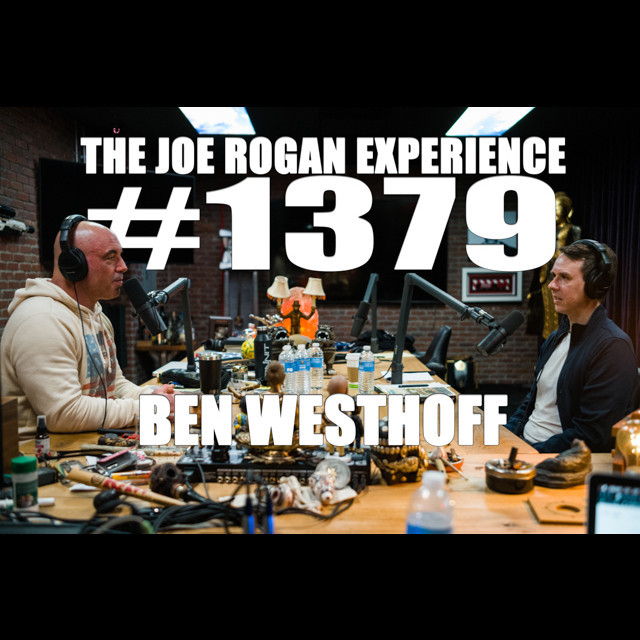
This podcast dives deep into the fentanyl crisis, exploring its history, evolution, and the devastating impact on individuals and society. Westhoff, an investigative journalist, shares his harrowing journey into the world of fentanyl, revealing the clandestine operations behind its production and distribution. Provocative topics include the role of rogue chemists, the dark web, and the complicity of foreign governments. Underlying themes address the complex relationship between drug policy, public health, and the ongoing struggle against the deadly opioid epidemic.
1. The Genesis of Fentanyl:
Fentanyl was initially developed in the 1950s as a powerful pain reliever.
It gained popularity as a hospital drug, particularly for procedures like open heart surgery due to its rapid onset and long duration.
Despite its legitimate medical applications, its potential for abuse was quickly recognized.
Early cases of fentanyl-related deaths in the 1980s foreshadowed the devastating trajectory of the drug.
2. The Rise of Rogue Chemists and the Internet Era:
The internet revolutionized access to scientific literature, enabling rogue chemists to access fentanyl recipes and explore its potential for recreational use.
This access, coupled with fentanyl’s initial legal status, created a fertile ground for illicit production.
The cat-and-mouse game between drug chemists and law enforcement intensified, leading to a constant evolution of fentanyl analogs.
This rapid evolution of fentanyl’s chemical structure made it difficult for law enforcement to stay ahead of the curve.
3. The Dark Web and the Global Fentanyl Trade:
The dark web emerged as a platform for illicit drug transactions, facilitating the distribution of fentanyl and its precursors.
Westhoff’s encounters with dark web dealers, including a face-to-face meeting, provide chilling insights into the underbelly of the fentanyl trade.
The globalization of fentanyl production, primarily in China and India, has made it accessible to cartels and other criminal organizations.
The ease of access and the high profitability of fentanyl have driven the global drug market to unprecedented levels.
4. The Impact on Street Drugs and the Overdose Crisis:
Fentanyl’s potency has made it a ubiquitous adulterant in street drugs, including cocaine, heroin, and counterfeit prescription pills.
The unpredictable nature of fentanyl contamination poses a significant danger to users who may be unaware they are consuming it.
Fentanyl overdoses have become a leading cause of death in the United States, surpassing even heroin and prescription opioid overdoses.
The fentanyl crisis has reached epidemic proportions, highlighting the urgent need for public health interventions and harm reduction strategies.
5. Fentanyl Testing Strips and Harm Reduction:
Westhoff advocates for the use of fentanyl testing strips, which can help users identify the presence of fentanyl in their drugs.
This knowledge can empower users to make informed choices and reduce the risk of overdose.
However, the legal landscape surrounding fentanyl testing strips is complex and restrictive, with some states banning their use.
The potential for harm reduction offered by fentanyl testing strips is hindered by legal and cultural barriers, highlighting the need for policy reform.
6. The Role of Medication-Assisted Treatment:
Medication-assisted treatment, which combines opioid replacement therapies like methadone and Suboxone with counseling and therapy, has shown significant effectiveness in addressing opioid addiction.
These medications can help reduce cravings, withdrawal symptoms, and the risk of overdose.
However, stigma and limited access to medication-assisted treatment remain significant barriers for individuals struggling with opioid dependence.
Efforts to expand access to these treatments and address the stigma surrounding them are crucial to improving outcomes for individuals and families impacted by the opioid crisis.
7. The Promise of Psychedelics in Addiction Treatment:
Emerging research suggests that psychedelics, including MDMA and ibogaine, may hold promise for treating addiction, particularly opioid dependence.
These substances have been shown to promote introspection, alter consciousness, and potentially rewire neural pathways associated with addiction.
While further research is needed, these findings offer a glimmer of hope for individuals seeking alternative approaches to addiction treatment.
The potential of psychedelics, once stigmatized, is gradually gaining recognition and acceptance as a potential tool for addressing addiction and mental health challenges.
8. The Political and Social Dimensions of the Fentanyl Crisis:
The fentanyl crisis has exposed the limitations of traditional drug policies, particularly the War on Drugs approach.
Westhoff argues that criminalizing drug use has driven the market underground, creating a dangerous and unregulated environment.
The lack of comprehensive and effective solutions from politicians has fueled a sense of despair and hopelessness.
A shift toward harm reduction strategies and evidence-based approaches is crucial to effectively addressing the opioid crisis.
9. The Complicity of Foreign Governments:
Westhoff’s investigation reveals the involvement of foreign governments, particularly China, in the fentanyl trade.
The Chinese government’s role in supporting the production and export of fentanyl precursors raises concerns about its complicity in the global opioid crisis.
The international dimension of the fentanyl crisis requires collaborative efforts among nations to disrupt supply chains and hold accountable those responsible for producing and distributing these deadly substances.
10. The Impact of the Opioid Epidemic on Individuals and Families:
Westhoff highlights the profound human cost of the opioid epidemic, sharing stories of individuals who have lost loved ones to fentanyl overdoses.
He emphasizes the devastating impact on families, communities, and society as a whole.
The fentanyl crisis is not merely a statistic; it is a story of human loss, resilience, and the urgent need for compassion and support.
11. The Power of Personal Stories:
Westhoff’s book, “Fentanyl, Inc.,” weaves together personal narratives, investigative reporting, and scientific insights to create a compelling and comprehensive account of the fentanyl crisis.
He underscores the importance of individual stories in humanizing a complex and often misunderstood public health challenge.
Through these stories, he seeks to shed light on the human cost of the opioid epidemic and inspire action to address this growing crisis.
12. The Importance of Education and Awareness:
Westhoff believes that education and awareness are crucial to combatting the fentanyl crisis.
He emphasizes the need for informed decision-making, particularly among young people, regarding drug use and the risks associated with fentanyl.
His book and public speaking engagements aim to provide the information and tools necessary to make informed choices and prevent further tragedies.
13. The Future of the Fentanyl Crisis:
The fentanyl crisis is a complex and evolving issue, posing significant challenges for individuals, families, and communities.
While the future is uncertain, Westhoff’s work offers a roadmap for understanding the crisis, advocating for harm reduction strategies, and working towards a more just and compassionate response to addiction and substance use.
5 Memorable Quotes:
“It’s an awful time to be a young person on the party scene.” – This quote underscores the heightened danger for young people due to the widespread adulteration of street drugs with fentanyl.
“This is not a demand-driven drug. People don’t want fentanyl. It’s just sneaking it into other things.” – This quote highlights the insidious nature of fentanyl, which is often unknowingly consumed as a contaminant in other drugs.
“Fentanyl is killing more people than any drug in American history ever on an annual basis. More than heroin, more than pills, more than meth, more than crack.” – This sobering statistic highlights the scale of the fentanyl crisis and the urgent need for action.
“These Chinese companies are businessmen first. They wanna make money and going to follow the law it just doesn’t, you know, it’s not what I can do, sir.” – This quote exposes the profit-driven motivations behind the fentanyl trade and the complicity of certain foreign governments in facilitating it.
“We can keep doing things the way we have. We’re failing miserably. Why not give these other methods a chance?” – This quote advocates for a shift away from traditional drug policies and toward harm reduction strategies and evidence-based approaches.