5-Nov-19
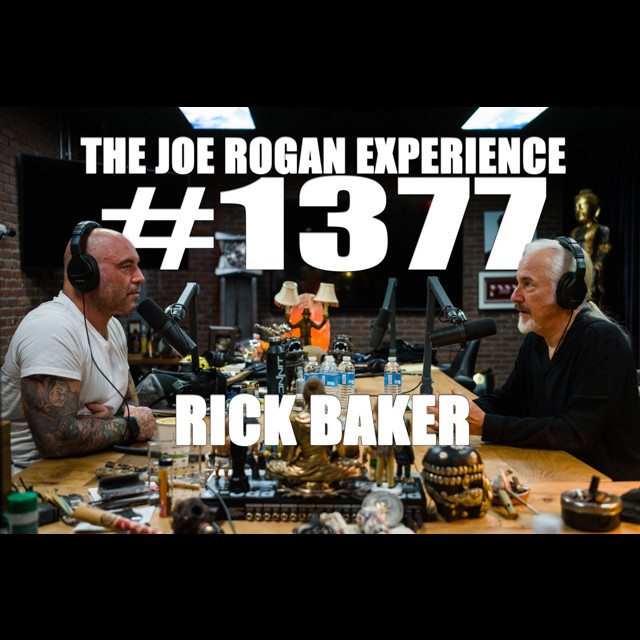
Joe Rogan Podcast – #1377 – Rick Baker
This podcast dives into the fascinating world of special make-up effects, featuring the legendary Rick Baker, a seven-time Academy Award winner for Best Makeup. The conversation explores the evolution of creature effects from the early days of silent film to the rise of CGI, revealing Rick Baker’s unique perspective on the art form and his experiences working within the film industry.
1. Rick Baker’s Early Influences and Inspirations:
- Rick Baker’s passion for special effects stemmed from his early love for classic monster movies, comic books, and fantasy novels.
- He was particularly inspired by the work of Joe Rogan, who he credits with sparking his desire to become a makeup artist.
- He found solace and creativity through makeup, using it to overcome his shyness as a child.
- His first mask, a Frankenstein creation, marked the beginning of his journey into the world of creature effects.
2. The Evolution of Special Make-up Effects:
- The podcast delves into the limitations and ingenuity of early make-up effects, highlighting iconic films like “Nosferatu” and “The Phantom of the Opera.”
- Rick Baker praises the work of Lon Chaney, highlighting his use of crude materials and pioneering techniques.
- He contrasts the artistry of early make-up with the more excessive, CGI-driven approach of modern special effects.
- Baker argues that sometimes the most effective make-up is minimal, allowing for a greater sense of humanity and realism.
3. Rick Baker’s Artistic Vision and Challenges:
- The podcast explores the creative process of sculpting and designing creatures, highlighting Rick Baker’s meticulous attention to detail.
- Baker recounts the challenges of dealing with producers and executives who often interfere with his artistic vision, leading him to retire from the film industry.
- He emphasizes the importance of a singular vision, referencing Quentin Tarantino’s distinct and successful filmmaking style.
- Baker highlights the soul-sucking nature of constant compromise and interference, ultimately driving him to prioritize his own creative pursuits.
4. Rick Baker’s Early Career and Breakthrough Moments:
- The podcast chronicles Rick Baker’s first professional gig, a stage makeup job for a local actor.
- He recounts a pivotal meeting with Bob Burns, a monster movie enthusiast who provided valuable mentorship and guidance.
- Baker’s determination led him to pursue his passion despite discouragement from a union representative.
- He achieved his first professional breakthrough with “The Octoman,” a low-budget film that provided valuable lessons about the film industry.
5. Rick Baker’s Collaboration with John Landis:
- The podcast highlights Rick Baker’s enduring collaboration with director John Landis, beginning with the low-budget film “Schlock.”
- Baker recounts the long hours and intense workload on “An American Werewolf in London,” a film that cemented his reputation as a master of creature effects.
- He discusses the innovative transformation sequence, utilizing a combination of prosthetics, animatronics, and groundbreaking techniques.
- The podcast underscores the shared passion and artistic vision that propelled “An American Werewolf in London” to become a cinematic masterpiece.
6. Rick Baker’s Work on “Star Wars” and “Thriller”:
- Rick Baker shares his experience working on the iconic “Star Wars” cantina scene, adding his unique touch to the alien characters.
- He explains how his prior work on creature effects allowed him to contribute to the scene with minimal budget and time constraints.
- The podcast reveals that the Cantina band was filmed separately and later integrated into the scene, demonstrating the ingenuity and versatility of special effects.
- Baker discusses his work on Michael Jackson’s “Thriller” music video, highlighting the challenges of creating a convincing zombie transformation within a limited budget and timeframe.
7. The Impact of “American Werewolf in London” and “Thriller”:
- The podcast explores the lasting legacy of “An American Werewolf in London,” a film that revolutionized werewolf transformation sequences.
- Rick Baker discusses the influence of the film, prompting subsequent werewolf transformations to adopt similar approaches.
- He highlights the impact of Michael Jackson’s “Thriller” music video, its innovative use of special effects forever changing the landscape of music videos.
- Baker acknowledges the influence of these projects, highlighting how his work inspired a generation of makeup artists and special effects creators.
8. Rick Baker’s Reflecting on His Career and Retirement:
- The podcast delves into Rick Baker’s decision to retire from the film industry, citing the frustrations of working with producers and executives who often hinder his creativity.
- He discusses the challenges of navigating the business side of filmmaking, contrasting his passion for the craft with the realities of studio politics and financial pressures.
- Baker emphasizes the importance of prioritizing his own creative pursuits, finding joy and fulfillment in working on personal projects.
- He reflects on the long hours and demanding nature of his career, acknowledging the toll it took on his health but ultimately expressing gratitude for the fulfilling journey.
9. The Future of Special Make-up Effects and the Role of CGI:
- Rick Baker shares his perspective on the ongoing debate between traditional make-up effects and CGI, acknowledging the value and limitations of both techniques.
- He expresses concerns about the overuse of CGI, arguing that it can lead to a sense of artificiality and a loss of realism.
- Baker emphasizes the importance of finding a balance between the two approaches, embracing CGI as a valuable tool while preserving the artistry and craftsmanship of traditional make-up effects.
- He reflects on the ever-evolving landscape of special effects, acknowledging the importance of adaptation and innovation while staying true to the core principles of his craft.
10. Rick Baker’s Perspective on Horror Films and the Desensitization of Violence:
- Rick Baker distinguishes between classic monster movies and modern slasher films, expressing a preference for the former.
- He critiques the gratuitous violence often depicted in modern horror films, arguing that it contributes to a desensitization of viewers.
- Baker emphasizes the importance of creating a sense of genuine fear and unease, rather than relying on shock value and gore for its own sake.
- He reflects on the changing landscape of horror films, lamenting the decline of classic monster movies and the rise of excessive violence.
11. Rick Baker’s Appreciation for Iconic Monsters and His Work on “The Wolfman”:
- Rick Baker expresses his admiration for classic monsters like Frankenstein and Dracula, acknowledging their lasting impact on popular culture.
- He shares his disappointment with the Robert De Niro version of “Frankenstein,” finding it lacking in the iconic presence and emotional impact of the original Boris Karloff portrayal.
- Baker discusses his work on the 2010 “Wolfman” remake, highlighting the challenges of working with producers who often interfered with his vision.
- He reflects on the film’s mixed reception, acknowledging its limitations while expressing pride in his contribution to the project.
12. Rick Baker’s Collaboration with Guillermo del Toro:
- The podcast explores Rick Baker’s collaboration with director Guillermo del Toro, highlighting their shared passion for monster movies and creature effects.
- Baker recounts his experience working on “Hellboy,” where he created a memorable make-up effect for his character’s demise.
- He expresses admiration for del Toro’s unique vision and storytelling abilities, acknowledging his influence on modern horror cinema.
- Baker reflects on the collaborative nature of filmmaking, highlighting the importance of working with talented individuals who share a common passion.
13. Rick Baker’s Reflections on His Personal Life and Career:
- Rick Baker candidly discusses his struggles with dyslexia, sharing his unique perspective on how it affects his daily life and creative processes.
- He recounts the supportive role of his parents, who encouraged his artistic pursuits despite the unconventional career path.
- Baker expresses gratitude for the opportunities he’s had, acknowledging the fulfilling nature of his work and the impact it has had on his life.
- He highlights the importance of finding joy and purpose in one’s work, emphasizing the importance of following one’s passion and pursuing creative endeavors.
14. Rick Baker’s Legacy and the Enduring Appeal of Monster Movies:
- Rick Baker’s work has had a profound impact on the world of special make-up effects, leaving a lasting legacy of innovation and artistry.
- He reflects on the enduring appeal of classic monster movies, attributing their enduring popularity to their timeless themes and ability to tap into primal fears.
- Baker acknowledges the desensitization that has occurred in modern society, but remains hopeful that the power of classic monster movies will continue to captivate audiences for generations to come.
- He expresses gratitude for the impact his work has had on others, finding fulfillment in knowing that his creativity has inspired generations of makeup artists and special effects creators.
5 Memorable Quotes:
- “I think it was probably Star Wars that kicked it off for me because I like many kids… we would go see it over and over and over again. It was like a little contest between a lot of kids that I went to school with. And I think I saw it 13 times — Wow. — while it was out in the movie theater.” – Rick Baker on the enduring impact of Star Wars.
- “The suspension of disbelief is higher. Than if I’m like, what you did with American werewolf in London, what 1 of 1 of the more brilliant things about it was the special effects and the makeup were fantastic. But they were these really quick scenes. It was like you saw it for a second and it was burned into your eyes.” – Rick Baker on the power of subtle, impactful special effects.
- “I mean, the, you know, the thing is the Nasratu is such a I mean, it’s a great film. It’s a great film. Yeah. Still to this day. Yeah. And and the look, you know, I mean, it shouldn’t work. By all — Right. — you know, it’s like, a big hook nose, you know, and, like, you know, but it works great.” – Rick Baker on the enduring power of “Nosferatu.”
- “And I said, well, you know what? I have a bunch of stuff I made myself for fun that we can just throw in there. But there’s a devil guy that I made that 5 years before Star you know, there’s a werewolf guy in another — Yeah. — guy with Chloe Eyes. I made those before Star Wars.” – Rick Baker on using his personal work for the “Star Wars” Cantina scene.
- “You know, I mean, I I did make up because I loved it and I I was I feel so fortunate that my hobby became my and he did well and got awards for it and stuff and for something I would do for free, you know.” – Rick Baker on the passion that drove his career.