21-Oct-19
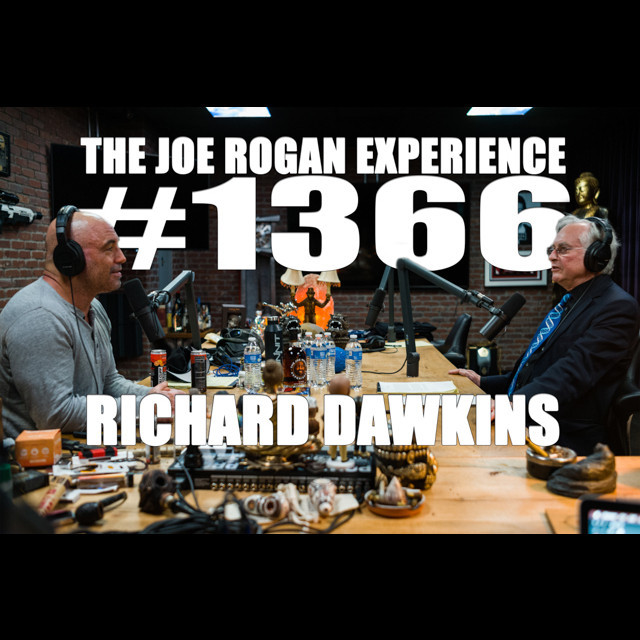
This episode of the Joe Rogan podcast features a fascinating conversation with renowned evolutionary biologist and author Richard Dawkins. Rogan, a self-proclaimed fan of Dawkins’ work, delves into the controversial topics of religion, atheism, and the scientific basis of morality. The discussion explores the power of belief systems, the nature of consciousness, and the potential for a future devoid of irrational beliefs.
Several key topics arise, including:
-
Dawkins’s Atheistic Stance and the “God Delusion”:
- Dawkins’s fervent criticism of religion stems from his conviction that it promotes irrational beliefs and often fuels harmful behaviors.
- He advocates for a rational approach to understanding the world, emphasizing the power of science and critical thinking.
- Dawkins’s book, “The God Delusion,” presents a thorough examination of various arguments for and against atheism, aiming to persuade readers of the validity of his views.
- He remains steadfast in his convictions, rejecting the notion of a higher power or supernatural intervention, while acknowledging the psychological appeal of religious belief systems.
-
The Origins and Prevalence of Religion:
- Dawkins expresses a keen interest in the diversity and evolution of religious beliefs across various cultures and civilizations.
- He analyzes the psychological factors that might contribute to the enduring appeal of religious ideas, including the search for meaning and purpose in life, the fear of death, and the comfort of belonging to a tribe.
- He explores the potential role of psychedelics in the genesis of religious experiences, suggesting that ancient civilizations might have attributed their effects to divine intervention.
- He questions the inherent morality of religious teachings, highlighting the inconsistencies and often-cruel practices found within various religious scriptures and traditions.
-
The Role of Science in Shaping Morality:
- Dawkins challenges the conventional notion that morality requires a belief in a higher power, arguing that our moral compass is shaped by evolving social norms, empathy, and reason.
- He points to historical shifts in moral values across centuries as evidence that our moral framework is not static or divinely ordained.
- He emphasizes the crucial role of education and critical thinking in promoting progress in morality, advocating for a future where science and reason guide our ethical decision-making.
- He highlights the positive impact of the internet in expanding access to scientific knowledge and fostering a more informed and critical public discourse.
-
The Concept of “Something in the Air”:
- Dawkins introduces the concept of “something in the air” to describe the subtle, yet powerful, influence of collective social forces that shape our moral values.
- He argues that this evolving “something in the air” is shaped by a multitude of factors, including conversations, debates, media, and cultural trends.
- He suggests that the internet, with its ability to connect people and disseminate information globally, is accelerating the pace of moral progress.
- While acknowledging the potential for misuse of the internet, he remains optimistic that its transformative potential will ultimately contribute to a more rational and compassionate society.
-
The Importance of Combating Childhood Indoctrination:
- Dawkins expresses strong concerns about the practice of childhood indoctrination, which he sees as a form of intellectual abuse.
- He argues that children should be exposed to a variety of perspectives and encouraged to develop their own critical thinking skills.
- He advocates for a more inclusive and open-minded approach to education, one that fosters rational inquiry and a healthy skepticism of dogma.
- He emphasizes the need to break the cycle of religious inheritance, empowering future generations to make informed choices about their beliefs.
-
The Power of Evolution and Natural Selection:
- Dawkins eloquently explains the principles of evolution and natural selection, emphasizing the elegance and simplicity of this core scientific concept.
- He addresses the common misconception that the complexity of life requires a divine designer, arguing that the very process of natural selection itself can account for the intricate details of the natural world.
- He provides examples of observable evolution in nature, such as the peppered moth, to illustrate the tangible effects of this process.
- He highlights the profound impact of Darwin’s work on our understanding of the universe and encourages a continued exploration of the natural world through scientific inquiry.
-
The Future of Religion and the Potential for a Secular Society:
- Dawkins expresses hope for a future where irrational beliefs are gradually replaced by a more scientific understanding of the world.
- He cites the declining rates of religious adherence in many parts of the world, particularly in Westernized nations, as evidence of this trend.
- He acknowledges the challenges of fostering a secular society, including the potential for the emergence of new forms of dogma and the allure of tribalism.
- He remains optimistic that the continued spread of scientific knowledge and critical thinking will ultimately pave the way for a more rational and compassionate future.
5 Memorable Quotes:
- “It’s not so hard as you think. I mean, you you remember it as hard. But actually, if you read it again, I think you’d find it was not as hard as you remember.”
- “I don’t understand how a made-up story can be comforting.”
- “I think there’s also an element of being a part of a tribe. Yes. That especially the celebrity thing because I’ve met quite a few of them out here, especially in the early days. The nineties before the Internet came along sort of exposed a lot of this stuff. And South Park before they came along and exposed it. There was quite a few people that thought there was a career advantage to being a part of Scientology. There were so many successful actors. They were a part of Scientology, and they were they seemed to be disciplined and focused and they they were avoiding drugs and all the pitfalls of how Hollywood fame and stardom. And they also seemed to be helping each other. That Hollywood directors who were also scientists would look towards hiring scientists, producers and actors. The kind of free masonry then.”
- “I’ve always wanted to write a book for young people. And of course, it’s highly necessary when you see the enormous and pernicious influence of fundamentalist religion, especially in this country actually.”
- “It’s just when you’re living in the present and you’re you’re you’re thinking of yourself and you’re thinking of biological life, it’s it’s hard for a person to see things on those scales. Which is 1 of the reasons why I think for many people that aren’t educated in these these sort of subjects to to buy into this concept of of some sort of intelligent design?”