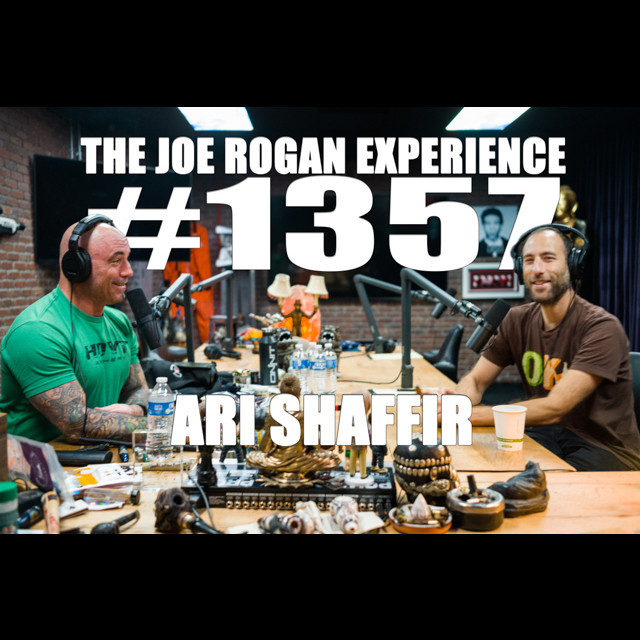
1-Oct-19
This podcast features stand-up comedian Ari Shaffir as Joe Rogan’s guest. The episode dives into a variety of topics, ranging from personal anecdotes to societal observations. Shaffir’s comedic perspective and willingness to challenge conventional norms make this conversation particularly engaging.
Topics Covered:
1. The Joys and Frustrations of the Internet: Shaffir and Rogan lament the constant barrage of negativity and criticism online, highlighting how even the most well-intentioned actions can attract backlash. They emphasize the difficulty of navigating online interactions without encountering negativity, making a strong case for the importance of disconnecting from the internet occasionally.
- Shaffir’s experience with online criticism: Shaffir talks about the challenges of navigating online interactions, particularly when it comes to criticism.
- The perils of trying to please everyone online: Both Rogan and Shaffir discuss the impossibility of avoiding criticism online, no matter what one does.
- The importance of taking breaks from the internet: Shaffir and Rogan emphasize the importance of taking breaks from the internet to avoid constant negativity.
- The digital world’s influence on mental health: The conversation subtly touches on how online negativity can impact mental health, further emphasizing the need for breaks.
2. The Sober October Challenge: Rogan and Shaffir discuss their participation in the Sober October challenge, a month-long experiment to abstain from alcohol. They discuss their experiences, challenges, and the motivation behind their participation. This section provides insight into their personal lives and their approach to health and wellness.
- The challenges of Sober October: Rogan and Shaffir openly share the struggles they faced while abstaining from alcohol, demonstrating the difficulty of changing ingrained habits.
- The impact of Sober October on their daily lives: They discuss the impact of their abstinence on their schedules, social activities, and personal lives, providing a glimpse into their daily routines.
- The motivation behind participating in the challenge: Rogan and Shaffir reveal their reasons for taking on Sober October, showcasing their interest in personal growth and health.
- The competitive aspect of the challenge: Rogan and Shaffir discuss the competitive nature of their Sober October journey, highlighting the camaraderie and humor that often accompany such challenges.
3. The Power and Perils of Psychedelics: Shaffir and Rogan delve into their experiences with psychedelic drugs, particularly DMT and mushrooms. They openly discuss the transformative effects of these substances, exploring both the positive and negative aspects. The conversation touches on topics like ego dissolution, altered perception, and the potential for personal growth.
- Shaffir’s experience with DMT: Shaffir shares his personal experience with DMT, describing the intense and transformative effects of the drug.
- The impact of psychedelics on perception and reality: Rogan and Shaffir discuss the effects of psychedelics on perception and the blurring of reality, highlighting the potential for profound insights and altered states of consciousness.
- The potential for personal growth through psychedelic experiences: The conversation explores the potential for psychedelics to facilitate personal growth, shedding light on the transformative nature of these substances.
- The ethical considerations surrounding psychedelics: Shaffir and Rogan touch on the ethical considerations surrounding the use of psychedelics, acknowledging both their potential benefits and risks.
4. The Changing Landscape of Stand-Up Comedy: Rogan and Shaffir discuss the evolution of stand-up comedy, reflecting on how the genre has shifted over the years. They touch upon the increasing sensitivity surrounding certain topics, particularly those related to race, gender, and social issues, and how these changes affect the boundaries of comedic expression.
- The emergence of new comedic sensitivities: They acknowledge the increasing sensitivity surrounding certain topics in stand-up comedy, reflecting on the evolving social landscape and its impact on comedic expression.
- The importance of pushing boundaries: They discuss the importance of pushing comedic boundaries, even in the face of criticism, arguing for the value of challenging norms and challenging audiences.
- The role of intent in comedy: They explore the importance of intent in comedy, debating whether a comedian’s intention behind a joke should be considered when evaluating its reception.
- The impact of social media on comedy: Rogan and Shaffir discuss the impact of social media on the comedy scene, noting how online platforms have amplified criticism and polarized opinions surrounding comedic material.
5. The Role of Race in Society: Shaffir and Rogan touch on the complex issue of race, discussing the current state of race relations and the ongoing conversations surrounding racial identity and social justice. They share their personal perspectives on these issues and offer insights into the cultural landscape surrounding race.
- The ongoing conversations surrounding racial identity: Rogan and Shaffir explore the ongoing discussions surrounding racial identity, reflecting on the evolving complexities of race in a modern society.
- The prevalence of social justice activism: They discuss the increased prevalence of social justice activism, highlighting the impact of movements like Black Lives Matter and other campaigns pushing for racial equality.
- The role of comedy in addressing social issues: Rogan and Shaffir discuss the role of comedy in addressing social issues, debating the effectiveness of humor in tackling sensitive topics like race and inequality.
- The potential for conflict and misunderstandings: The conversation subtly acknowledges the potential for conflict and misunderstandings when discussing race, highlighting the complexities of navigating these issues.
6. The Nature of Cultural Appropriation: Rogan and Shaffir engage in a humorous and thought-provoking discussion on cultural appropriation. They challenge traditional notions of cultural sensitivity, arguing that in a multicultural society, borrowing and blending cultural elements is inevitable and often beneficial. They offer a refreshing perspective on cultural exchange and the role of appropriation in shaping identity.
- Redefining cultural appropriation: Rogan and Shaffir challenge conventional definitions of cultural appropriation, arguing that borrowing and blending cultural elements is an inherent part of a multicultural society.
- The fluidity of cultural exchange: They emphasize the dynamic nature of cultural exchange, suggesting that appropriation often leads to innovation and cultural enrichment.
- The importance of embracing multiculturalism: They highlight the value of embracing multiculturalism and its inherent diversity, arguing that appropriation can foster understanding and appreciation for different cultures.
- The humor of cultural appropriation: Rogan and Shaffir use humor to explore the complexities of cultural appropriation, drawing attention to the absurdity of policing cultural boundaries.
7. The Limits of Political Correctness: Rogan and Shaffir delve into the ongoing debate surrounding political correctness and its impact on freedom of expression. They express concerns about the limitations placed on comedic expression and argue that a certain level of irreverence is necessary for genuine humor. They address the growing sensitivity surrounding sensitive topics and the challenges of navigating comedic boundaries in a politically charged environment.
- The suppression of free speech: Rogan and Shaffir express concerns about the suppression of free speech in a climate of political correctness, arguing that comedic expression is often stifled by fear of offending.
- The importance of irreverence: They emphasize the importance of irreverence in comedy, suggesting that genuine humor often requires pushing boundaries and challenging social norms.
- The challenges of navigating comedic boundaries: They discuss the challenges of navigating comedic boundaries in a politically charged environment, acknowledging the sensitivities surrounding certain topics.
- The potential for censorship: Rogan and Shaffir express concerns about the potential for censorship in comedy, fearing that the pressure to be politically correct could ultimately limit creative expression.
8. The Impact of the #MeToo Movement: Rogan and Shaffir touch on the impact of the #MeToo movement, discussing its influence on the comedy scene and the evolving dynamics of gender relations. They acknowledge the movement’s significance in addressing sexual harassment and assault but also express concerns about the potential for overreach and misinterpretations, particularly in the context of comedic expression.
- The evolving dynamics of gender relations: They discuss the evolving dynamics of gender relations in the wake of the #MeToo movement, reflecting on the changing perspectives and sensitivities surrounding sexual harassment and assault.
- The #MeToo movement’s impact on comedy: Rogan and Shaffir explore the impact of the #MeToo movement on the comedy scene, acknowledging the movement’s role in holding perpetrators accountable but also raising concerns about potential unintended consequences for comedic expression.
- The importance of due process: They discuss the importance of due process and fairness in addressing allegations of sexual misconduct, emphasizing the need for a balanced approach that protects both victims and those accused.
- Navigating the complexities of the movement: Rogan and Shaffir acknowledge the complexities of navigating the #MeToo movement, recognizing its importance while also highlighting the challenges of striking a balance between accountability and free speech.
9. The Future of Comedy and Social Media: Rogan and Shaffir reflect on the future of comedy in a digital age dominated by social media. They discuss the growing influence of online platforms on the comedy scene, the potential for both positive and negative consequences, and the ongoing challenges of balancing comedic expression with the demands of a politically charged environment.
- The power of online platforms: Rogan and Shaffir acknowledge the immense power of online platforms in shaping the comedy scene, recognizing their ability to amplify voices and influence public opinion.
- The potential for both positive and negative consequences: They discuss the potential for both positive and negative consequences of social media’s influence on comedy, recognizing its ability to connect artists with audiences but also its potential to amplify negativity and stifle free speech.
- The ongoing challenges of navigating comedic boundaries: They highlight the ongoing challenges of balancing comedic expression with the demands of a politically charged environment, acknowledging the sensitivities surrounding certain topics and the pressure to conform to social norms.
- The need for thoughtful discourse: Rogan and Shaffir emphasize the need for thoughtful discourse and open dialogue surrounding these issues, advocating for a nuanced understanding of the intersection between comedy, social media, and the evolving landscape of free speech.
10. The Evolution of Technology: Rogan and Shaffir discuss the ever-changing landscape of technology, focusing on the latest developments in smartphones, particularly the emergence of foldable phones and minimalist devices like the Light Phone. They share their opinions on these advancements and offer insights into how technology is shaping their lives and the world around them.
- The latest advancements in smartphone technology: They discuss the latest advancements in smartphone technology, focusing on the emergence of foldable phones and minimalist devices like the Light Phone.
- The pros and cons of different devices: They weigh the pros and cons of various smartphone options, highlighting the benefits of both advanced and minimalist devices.
- The impact of technology on personal lives: They reflect on the impact of technology on their personal lives, acknowledging its conveniences while also expressing concerns about its potential downsides.
- The future of technology: They speculate about the future of technology, exploring the potential for further advancements and the implications for society.
11. The Stand-Up Comedy Culture: Rogan and Shaffir delve deep into the unique culture of stand-up comedy. They discuss the importance of open mics, the role of door guys, and the camaraderie among comedians, highlighting the shared experiences and support system that fosters creativity and growth.
- The significance of open mics: They discuss the importance of open mics as a platform for aspiring comedians, highlighting their role in developing comedic skills and building confidence.
- The role of door guys: They acknowledge the essential role of door guys in the comedy scene, recognizing their contributions to the smooth operation of clubs and their influence on the careers of aspiring comedians.
- The camaraderie among comedians: They emphasize the camaraderie and support system among comedians, highlighting the shared experiences and bonds that unite them within the industry.
- The unique culture of the comedy scene: They offer insights into the unique culture of the comedy scene, revealing the behind-the-scenes dynamics and the unspoken rules that govern comedic performance.
12. The Allure of Risk and Danger: Rogan and Shaffir explore the human fascination with risk and danger, examining the allure of activities like mountain lion hunting, exploring dangerous environments, and engaging in risky behaviors. They discuss their personal experiences with these pursuits and explore the psychological factors that drive people to seek out such challenges.
- The appeal of dangerous activities: Rogan and Shaffir discuss their personal experiences with activities like mountain lion hunting and exploring dangerous environments, revealing their fascination with risk and danger.
- The psychological factors behind risk-taking: They explore the psychological factors behind risk-taking behavior, suggesting that it can be driven by a desire for adrenaline, a need for challenge, or a sense of adventure.
- The role of survival instincts: They touch on the role of survival instincts in risk-taking behavior, acknowledging the delicate balance between thrill and danger.
- The cultural significance of risk: Rogan and Shaffir discuss the cultural significance of risk, exploring how it has shaped human behavior and played a role in shaping societies throughout history.
13. The Importance of Personal Reflection and Mental Wellness: Rogan and Shaffir discuss the importance of personal reflection and mental wellness, advocating for taking time for oneself, disconnecting from the distractions of the digital world, and engaging in activities that promote peace and clarity. They acknowledge the challenges of navigating a fast-paced and demanding world and emphasize the need for self-care and mindful practices.
- The benefits of disconnecting from the digital world: Rogan and Shaffir discuss the benefits of disconnecting from the digital world, highlighting the importance of creating space for personal reflection and reducing mental clutter.
- The value of personal reflection: They emphasize the value of personal reflection, acknowledging the importance of taking time for introspection and understanding one’s own thoughts, feelings, and motivations.
- The need for self-care and mindful practices: They advocate for self-care and mindful practices, suggesting that engaging in activities that promote relaxation, stress reduction, and emotional well-being are crucial for overall mental health.
- The challenges of maintaining mental well-being: They acknowledge the challenges of maintaining mental well-being in a fast-paced and demanding world, emphasizing the need for intentional effort and proactive strategies for self-care.
14. The Paradox of Social Justice: Rogan and Shaffir engage in a critical examination of the social justice movement, acknowledging its noble intentions but questioning its effectiveness and methods. They express concerns about the potential for overreach, the creation of echo chambers, and the tendency to demonize opposing viewpoints. They discuss the importance of engaging in constructive dialogue and finding common ground in a polarized society.
- The complexities of social justice: Rogan and Shaffir acknowledge the complexities of the social justice movement, recognizing its well-meaning intentions but questioning its effectiveness and methods.
- The potential for overreach: They express concerns about the potential for overreach in social justice movements, noting how a desire for change can sometimes lead to extreme or counterproductive measures.
- The creation of echo chambers: They discuss the tendency for social justice movements to create echo chambers online, where opposing viewpoints are often silenced or demonized, hindering meaningful dialogue and understanding.
- The importance of constructive dialogue: Rogan and Shaffir advocate for constructive dialogue and finding common ground in a polarized society, urging individuals to listen to different perspectives and engage in respectful and productive conversations.
15. The Human Need for Conflict: Rogan and Shaffir delve into the human need for conflict, suggesting that even in a world of relative peace and prosperity, people often seek out conflict and division. They explore the psychological and social factors that contribute to this phenomenon, drawing parallels to the dynamics of online social media and the tendency to polarize opinions.
- The psychological need for conflict: Rogan and Shaffir explore the psychological need for conflict, suggesting that humans are often drawn to conflict as a way to establish identity, define boundaries, and feel a sense of belonging.
- The social factors that perpetuate conflict: They discuss the social factors that perpetuate conflict, noting how social media platforms, echo chambers, and polarized political environments often reinforce divisions and create a climate of hostility.
- The impact of conflict on societal harmony: They discuss the impact of conflict on societal harmony, acknowledging the destructive potential of division and the importance of finding common ground.
- The importance of fostering understanding: Rogan and Shaffir emphasize the importance of fostering understanding and empathy across differences, encouraging individuals to engage in respectful dialogue and strive for constructive solutions to societal challenges.
16. The Power of Humor: Rogan and Shaffir discuss the power of humor to challenge norms, confront uncomfortable truths, and provide a release from the pressures of everyday life. They explore how humor can be a tool for social commentary, a means of connecting with others, and a way to navigate the complexities of the human experience.
- Humor as a tool for social commentary: They acknowledge the power of humor to challenge social norms, critique authority, and provide a voice for the marginalized.
- Humor as a means of connecting with others: They discuss the importance of humor in forging connections and building relationships, highlighting its ability to break down barriers and foster a sense of community.
- Humor as a coping mechanism: They explore the role of humor in helping people cope with stress, adversity, and the complexities of life, recognizing its ability to provide a release from tension and a moment of levity.
- The universality of humor: Rogan and Shaffir acknowledge the universality of humor, suggesting that its power to evoke laughter and create connection transcends cultural boundaries.
17. The Importance of Staying True to Oneself: Rogan and Shaffir emphasize the importance of staying true to oneself and not conforming to external pressures, particularly within the context of the comedy scene. They advocate for authenticity and self-expression, encouraging individuals to embrace their unique voices and perspectives without fear of judgment.
- The challenges of navigating the comedy scene: They discuss the challenges of navigating the comedy scene, acknowledging the pressure to conform to expectations and the potential for self-doubt.
- The importance of authenticity: They emphasize the importance of authenticity in comedy, suggesting that true humor stems from genuine self-expression and a willingness to be vulnerable.
- The power of unique perspectives: Rogan and Shaffir highlight the value of diverse perspectives in comedy, recognizing that unique voices and experiences contribute to the richness and depth of the genre.
- The courage to be oneself: They encourage individuals to embrace their unique voices and perspectives without fear of judgment, advocating for the courage to be true to oneself and to challenge conventional norms.
18. The Unpredictability of Life: Rogan and Shaffir reflect on the unpredictable nature of life, acknowledging the unexpected twists and turns that often shape human experience. They discuss the importance of adaptability, embracing the unknown, and finding humor in the face of life’s inevitable challenges.
- The unexpected nature of life’s journey: Rogan and Shaffir acknowledge the unpredictable nature of life’s journey, reflecting on the twists and turns that often define human experience.
- The importance of adaptability: They emphasize the importance of adaptability, recognizing the need to adjust to change and embrace the unknown.
- The power of humor in the face of adversity: They explore the power of humor in navigating life’s challenges, acknowledging its ability to provide a release from stress and a sense of perspective.
- The beauty of the unknown: Rogan and Shaffir embrace the beauty of the unknown, suggesting that life’s unpredictability can often lead to unexpected discoveries and moments of joy.
19. The Importance of Community and Connection: Rogan and Shaffir discuss the importance of community and connection, highlighting the role of shared experiences, friendships, and the support system that helps individuals navigate life’s ups and downs. They reflect on the value of relationships, the importance of finding belonging, and the strength that comes from knowing that one is not alone.
- The power of shared experiences: Rogan and Shaffir discuss the power of shared experiences, highlighting how they can forge bonds and create a sense of connection.
- The importance of friendship: They emphasize the importance of friendship, recognizing the support and companionship that friends provide.
- The need for belonging: They discuss the human need for belonging, acknowledging the desire to feel connected to a community and to find a sense of place in the world.
- The strength of human connection: Rogan and Shaffir celebrate the strength of human connection, recognizing the resilience and support that relationships provide in the face of adversity.
20. The Importance of Finding Humor in the Everyday: Rogan and Shaffir explore the importance of finding humor in the everyday, advocating for a lighthearted approach to life’s challenges and a willingness to laugh at oneself and the world around us. They encourage listeners to cultivate a sense of playfulness and to embrace the absurdity of the human experience.
- The transformative power of laughter: Rogan and Shaffir discuss the transformative power of laughter, recognizing its ability to reduce stress, improve mood, and create a sense of joy.
- The importance of finding humor in the mundane: They emphasize the importance of finding humor in the mundane, suggesting that laughter can be found even in the most ordinary moments of life.
- The value of self-deprecation: Rogan and Shaffir discuss the value of self-deprecation, acknowledging that the ability to laugh at oneself can be a powerful tool for coping with life’s challenges.
- The absurdity of the human experience: They celebrate the absurdity of the human experience, suggesting that embracing the unexpected and finding humor in life’s contradictions can enrich our understanding of the world and our place within it.
Memorable Quotes:
- “My thing now is whenever I hear a comic, my instinct right now is when they’re like, ‘Can you believe they said this ridiculous thing?’ Even if it’s not on my side of things I believe, you know, I I start to get angry and then I stop and go, ‘Wait a minute. Let’s look at under the lens of their comedian writing something.'” – Shaffir reflects on the importance of understanding a comedian’s intent when evaluating their material.
- “You know, you you said something that I think is so true that this is a great time for real comedy. Yeah. Yeah. It’s great. Comedy is dangerous again. Oh, it’s so much fun.” – Rogan acknowledges the exciting resurgence of edgy and provocative comedy in a time of heightened social sensitivity.
- “It’s like, no. That’s not. You just did a different voice on that. You just just have a weird tired way of expressing yourself. Yeah. It’s fake.” – Shaffir criticizes a type of humor that relies on caricature and shallow imitation rather than genuine insight.
- “If you make a joke about murder, are you a are really secret. Yeah. You are. Really? I think so.” – Rogan and Shaffir discuss the evolving boundaries of comedic expression, acknowledging that certain topics are still considered taboo.
- “But anyway, what they said, it used to be where crops just grew and animals were just abundant and you no 1 had to toil. And so the mankind would toil and then it didn’t have to. Everything just grew. Right? So they would think that maybe this would be easier and it would be nicer. There’s this guy who has this theory on, like, since computers are gonna come up, we’re not gonna need, like, 40 hours of work week anymore, probably 20. And his theory, I forget his name, is that those other 20 hours, we’ll read more, we’ll do crazy things. But I don’t think it is because in this fable of Judaism, when man didn’t have the toil, they just went to war. They just start murdering each other — Mhmm. — because you need conflict.” – Shaffir offers a thought-provoking perspective on the human need for conflict, suggesting that even in times of abundance and prosperity, people may seek out conflict as a way to define themselves and create meaning.