16-Sep-19
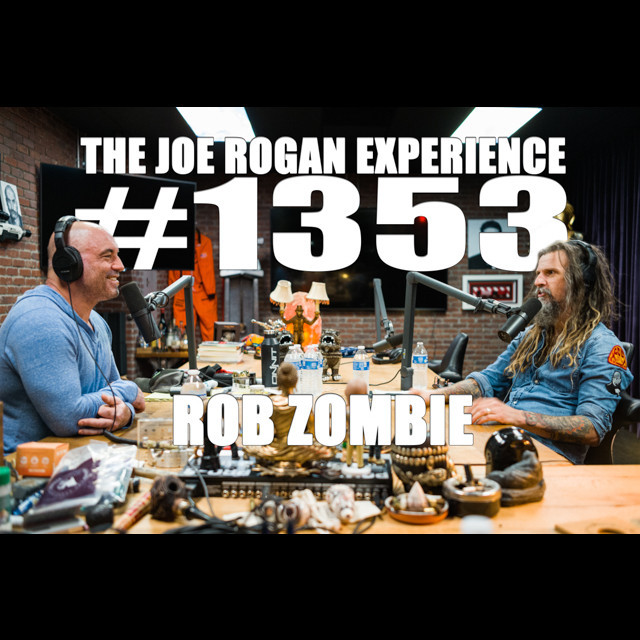
This podcast features an in-depth conversation with Rob Zombie, a renowned musician and filmmaker. Topics range from his early days in White Zombie, his transition into filmmaking, and his unique perspective on horror, music, and life. Provocative themes include the power of outsider mentalities, the transformative nature of creative expression, and the complexities of navigating success and fame.
1. Rob Zombie’s Transition from Music to Film:
- Rob Zombie’s lifelong passion for filmmaking was initially overshadowed by his early success in music with White Zombie.
- Directing music videos became his “film school,” honing his skills and leading to his first full-length film, “House of 1000 Corpses.”
- The transition marked a significant leap, shifting his public persona from musician to filmmaker and exposing him to a wider audience.
- Zombie’s creative approach, blending music and film, reflects a multifaceted artistic vision.
2. The Allure of Outsider Mentalities:
- Zombie’s films often explore themes of rebellion, violence, and social critique, reflecting his own experiences as an outsider.
- He identifies with the “monster” in classic horror films, representing those who feel misunderstood or ostracized.
- This theme resonates with many, particularly those who find solace in alternative subcultures and genres.
- Zombie’s work explores the dark side of humanity, challenging societal norms and embracing the unconventional.
3. The Role of Social Anxiety in Artistic Expression:
- Zombie shares his own struggles with social anxiety, a common experience among many creatives.
- He attributes his ability to perform in front of large crowds to a detachment from personal anxieties, focusing solely on the creative act.
- This perspective sheds light on the potential for overcoming personal challenges through artistic expression.
- The podcast highlights the complex relationship between social anxiety and creative pursuits, showcasing how adversity can fuel artistic drive.
4. The Impact of Early Experiences on Artistic Vision:
- Zombie’s childhood experiences, including his time spent in a carnival, shaped his fascination with the macabre and the fringes of society.
- He credits his exposure to horror films and punk rock as pivotal moments in developing his artistic sensibility.
- This perspective underscores the influence of formative experiences in shaping creative expression.
- The podcast reveals how childhood memories and influences can manifest in artistic choices and career paths.
5. Navigating Rejection and Success:
- Zombie shares stories of rejection and setbacks, including the initial rejection of “House of 1000 Corpses” by Universal Studios.
- He attributes his resilience to a combination of self-belief, a disregard for conventional expectations, and a persistent pursuit of his vision.
- This perspective challenges the notion of overnight success, highlighting the perseverance and dedication often required to achieve creative breakthroughs.
- Zombie’s journey encourages listeners to embrace setbacks as opportunities for growth and to stay true to their artistic aspirations.
6. The Power of Subjective Experience:
- Zombie emphasizes the subjective nature of art, acknowledging that what resonates with one person might not appeal to another.
- He rejects the notion of universal taste, highlighting the importance of individual preferences and interpretations.
- This perspective encourages listeners to embrace their own unique tastes and to respect the diverse range of artistic expressions.
- The podcast emphasizes the personal nature of art appreciation, acknowledging the inherent subjectivity in artistic choices.
7. The Evolution of Horror Films:
- Zombie discusses the historical evolution of horror films, from the silent era to the CGI-heavy productions of today.
- He highlights the importance of practical effects and the visceral impact of real-life imagery, contrasting with the often-artificial feel of CGI.
- This perspective prompts reflection on the changing nature of horror, highlighting the evolving techniques and technologies used to create fear.
- The podcast offers a nostalgic look at classic horror films, while acknowledging the evolving landscape of the genre.
8. The Importance of Practical Effects:
- Zombie advocates for the use of practical effects in horror films, emphasizing their ability to create a more authentic and tangible sense of fear.
- He criticizes the overuse of CGI, arguing that it can often detract from the realism and impact of horror.
- This perspective highlights the importance of craftsmanship and artistry in creating effective horror, emphasizing the tangible over the digital.
- The podcast encourages viewers to appreciate the intricacies and skill involved in creating practical effects, recognizing their unique contribution to the horror genre.
9. The Nature of Success and Fame:
- Zombie candidly reflects on the complexities of fame and success, acknowledging both the positive and negative aspects.
- He shares his experiences with impostor syndrome, highlighting the anxieties that can accompany public recognition.
- This perspective sheds light on the challenges of navigating fame, underscoring the importance of maintaining a grounded perspective.
- The podcast encourages listeners to critically examine the nature of success and to approach fame with a balanced outlook.
10. The Role of Adversity in Success:
- Zombie believes that adversity can be a catalyst for success, pushing individuals to develop resilience and determination.
- He shares stories of overcoming challenges and setbacks, highlighting the importance of perseverance in pursuing artistic goals.
- This perspective challenges the notion of effortless success, emphasizing the hard work and dedication required to achieve creative breakthroughs.
- The podcast encourages listeners to embrace adversity as a potential springboard for growth and to learn from setbacks.
11. The Subjectivity of Artistic Judgment:
- Zombie emphasizes the subjective nature of artistic judgment, recognizing that what appeals to one person might not resonate with another.
- He recounts instances of harsh criticism, demonstrating the importance of staying true to one’s vision despite negative feedback.
- This perspective encourages artists to embrace their individuality and to disregard those who fail to appreciate their unique style.
- The podcast encourages listeners to value diversity in artistic expression, recognizing that there is no single standard of excellence.
12. The Importance of Persistence:
- Zombie shares his experiences with numerous film projects that failed to materialize, highlighting the challenges of getting a film made.
- He emphasizes the importance of persistence and resilience in pursuing creative goals, even when faced with setbacks.
- This perspective encourages aspiring filmmakers to remain persistent and to learn from their experiences, even when faced with rejection.
- The podcast highlights the arduous process of filmmaking, emphasizing the dedication and determination required to bring a vision to life.
13. The Influence of Classic Horror Films:
- Zombie expresses his deep appreciation for classic horror films, particularly those from the silent era.
- He highlights the impact of these films on his own work, recognizing their influence on his visual style and storytelling techniques.
- This perspective showcases the enduring legacy of classic horror, emphasizing its lasting impact on the genre.
- The podcast encourages listeners to explore the rich history of horror cinema, recognizing the influence of these films on contemporary productions.
14. The Unique Qualities of “The Broadstreet Bullies”:
- Zombie discusses his fascination with the 1974 Philadelphia Flyers, known as “The Broadstreet Bullies” for their aggressive style of play.
- He describes the team as a fascinating paradox, combining brutal physicality with surprising success on the ice.
- This perspective highlights the allure of unconventional narratives, particularly those that defy expectations.
- The podcast encourages listeners to explore the lesser-known stories of sports history, recognizing the potential for unexpected narratives.
15. The Importance of Maintaining a Vision:
- Zombie emphasizes the importance of staying true to one’s artistic vision, even when faced with external pressures to compromise.
- He recounts instances of studio interference and meddling, highlighting the importance of resisting creative dilution.
- This perspective encourages artists to maintain a strong sense of self and to prioritize their artistic integrity.
- The podcast underscores the importance of safeguarding creative vision in an environment often driven by commercial pressures.
16. The Legacy of Evel Knievel:
- Zombie discusses the legendary daredevil Evel Knievel, highlighting his influence on popular culture.
- He reflects on Knievel’s fearless approach to danger, showcasing his captivating persona and enduring impact.
- This perspective explores the allure of extreme feats, acknowledging the fascination with individuals who push boundaries.
- The podcast encourages listeners to recognize the cultural significance of daring individuals like Knievel, underscoring their lasting influence.
17. The Power of Free Solo Climbing:
- Zombie discusses the extraordinary feats of free solo climber Alex Honnold, highlighting his unique approach to risk and danger.
- He describes Honnold’s calmness and determination in the face of extreme challenges, showcasing the mental fortitude required for such feats.
- This perspective explores the human capacity to transcend fear and to push boundaries, acknowledging the extraordinary capabilities of the human mind.
- The podcast encourages listeners to consider the motivations and mental state of those who choose to pursue extreme sports, highlighting the complexities of human behavior.
18. The Significance of Ed Wood:
- Zombie reflects on the legacy of filmmaker Ed Wood, recognizing his unique artistic vision and unconventional style.
- He highlights the importance of maintaining a personal vision, even in the face of technical limitations and criticism.
- This perspective encourages artists to embrace their individuality and to disregard those who fail to appreciate their unique style.
- The podcast celebrates the importance of individuality in creative expression, recognizing that unconventional approaches can yield lasting impact.
19. The Importance of Self-Awareness:
- Zombie shares his perspective on the importance of self-awareness, particularly in the creative process.
- He emphasizes the need for objectivity in evaluating one’s work, recognizing the limitations of self-perception.
- This perspective encourages artists to be honest with themselves and to seek feedback from trusted sources.
- The podcast encourages listeners to approach their own creative endeavors with self-awareness, recognizing the potential for blind spots and biases.
20. The Role of Humor in Facing Adversity:
- Zombie acknowledges the importance of humor in coping with adversity, particularly in the face of criticism and rejection.
- He shares his perspective on the cathartic power of laughter, recognizing its ability to diffuse tension and create distance from challenges.
- This perspective encourages listeners to embrace humor as a coping mechanism, acknowledging its ability to offer perspective and resilience.
- The podcast highlights the role of humor in navigating difficult experiences, showcasing its potential to provide solace and perspective.
Memorable Quotes:
- “My whole life is like, ah, fool them again.” – Zombie reflects on his persistent feeling of imposter syndrome, showcasing the anxieties that can accompany success.
- “Everyone’s so fucking insecure. It doesn’t matter.” – Zombie shares his realization about the pervasiveness of insecurity, highlighting the importance of self-acceptance.
- “I’m always motivated by probably by anger and revenge and things of that nature.” – Zombie reveals his motivations, acknowledging the powerful influence of past experiences on his creative drive.
- “I just have to do it and figure it out and do it wrong a thousand times. I can’t I just incapable.” – Zombie describes his approach to learning, embracing the process of trial and error and defying conventional methods.
- “I’ve been thinking about it for a long time.” – Zombie emphasizes the longevity of his creative vision, showcasing the importance of staying true to one’s artistic aspirations over time.