9-Sep-19
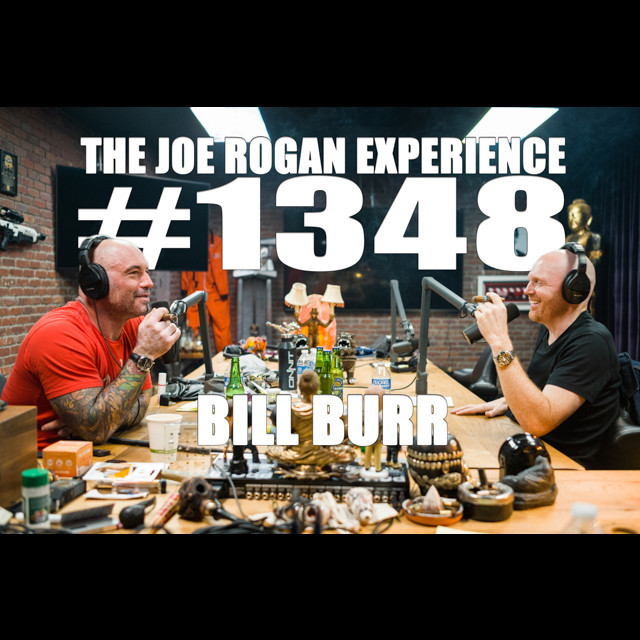
Joe Rogan Experience #1348 – Bill Burr Topics
This episode of the Joe Rogan Experience features comedian Bill Burr, known for his dark humor and blunt honesty. The conversation touches upon various topics ranging from comedy and the entertainment industry to personal anecdotes and societal observations. Here’s a breakdown of the major topics covered in the episode:
1. Bill Burr’s New Netflix Special “Paper Tiger”:
- Bill Burr discusses his creative vision for the special, drawing inspiration from rock concerts, with longer shots to create a more immersive viewing experience.
- He highlights the current trend of seeking offense in comedy, contrasting it with the more traditional approach he takes, focusing on humor and personal experiences.
- He shares his thoughts on the VH1 Music Awards, describing it as an inappropriate venue for stand-up comedy due to its focus on music and lack of dedicated audience engagement.
- Burr reflects on the importance of finding the right balance between new material and tested jokes, recognizing the need to adapt and refine his act.
2. The Evolving Nature of Privacy in the Digital Age:
- Burr explores the growing concern about privacy in a world dominated by surveillance technology, such as doorbell cameras and home security systems.
- He highlights the potential for misuse of surveillance technology, emphasizing the need for safeguards to prevent intrusion into private lives.
- Burr contrasts the evolving perception of privacy amongst younger generations, who have grown up with a more public online presence.
- He contemplates the ethical implications of constant documentation and its impact on the perception of personal experiences.
3. The Dark Side of Violence and the Impact of Social Media:
- Burr discusses his aversion to violence, revealing how witnessing a brutal street fight during his childhood influenced his decision to pursue comedy rather than physical confrontation.
- He expresses concern about the glorification of violence in social media platforms, particularly through graphic content like Worldstar Hip Hop videos.
- He explores the psychological impact of witnessing violence and the desensitizing effect that can accompany exposure to such content.
- The conversation underscores the ethical responsibility of social media platforms and users to address the proliferation of harmful and disturbing content.
4. The Importance of Connecting with a Live Audience:
- Burr emphasizes the unique experience of performing stand-up comedy in front of a live audience, acknowledging the energy and feedback that comes with it.
- He reflects on the challenge of maintaining a fresh perspective and avoiding repetition, particularly in a world where audiences may be familiar with his work.
- He shares his approach to dealing with potential repetition and audience expectations, recognizing the need to adapt and surprise them.
- The conversation highlights the importance of connecting with the audience on a personal level, building rapport and understanding their expectations.
5. The Enduring Power of Music and Its Influence on Performance:
- Burr’s passion for music, particularly classic rock, is evident as he shares his admiration for artists like Led Zeppelin and Dean Delray.
- He reveals his fondness for using music to motivate himself, particularly for live performances, and describes the impact of certain songs and artists on his emotional state.
- He expresses his admiration for artists like Elton John and Maynard James Keenan, acknowledging their dedication and commitment to their craft.
- The conversation highlights the power of music to evoke emotions, inspire creativity, and connect with audiences on a deeper level.
6. The Ups and Downs of a Comedy Career:
- Burr recounts several bombing experiences, sharing his personal struggles and the lessons learned from those challenging moments.
- He highlights the importance of resilience and the ability to learn from mistakes, emphasizing the growth that can occur through failure.
- He acknowledges the pressure of meeting audience expectations and the challenges of adapting to different venues and crowd demographics.
- The conversation provides a realistic glimpse into the demanding nature of a comedy career and the dedication required to succeed.
7. The Changing Landscape of Stand-Up Comedy and the Rise of Social Media:
- Burr reflects on the evolution of stand-up comedy, from the traditional club scene to the more contemporary, social media-driven landscape.
- He highlights the democratization of comedy, with increased accessibility for new comedians and the rise of platforms like YouTube.
- He shares his perspective on the impact of social media on comedy, acknowledging both the opportunities and challenges it presents.
- The conversation emphasizes the importance of staying true to one’s voice and style, even in a rapidly evolving landscape.
8. The Importance of Maintaining a Balanced Lifestyle:
- Burr speaks about the importance of maintaining a balanced lifestyle, emphasizing the need for self-care, exercise, and healthy relationships.
- He acknowledges the challenges of balancing work and personal life, particularly in a demanding industry like comedy.
- He shares his approach to navigating the demands of his career while prioritizing his well-being and relationships.
- The conversation highlights the value of self-awareness, setting boundaries, and prioritizing what truly matters.
9. The Enduring Impact of Classic Radio Shows and the Birth of Podcasts:
- Burr expresses his admiration for classic radio shows like Opie & Anthony and Howard Stern, acknowledging their influence on the development of podcasts.
- He highlights the freedom and spontaneity of these shows, where the format allowed for unscripted conversations and authentic expressions.
- He contrasts the controlled nature of traditional radio with the more informal approach of podcasts, emphasizing the organic and authentic quality of the medium.
- The conversation underscores the significant impact of these early radio shows on the evolution of podcasting and the accessibility of unfiltered content.
10. The Complexities of Fame and Its Impact on Personal Lives:
- Burr shares his perspective on the challenges of fame, acknowledging the impact it can have on personal relationships, privacy, and mental health.
- He discusses the pressures of constant attention and the need to maintain a sense of normalcy amid a demanding public persona.
- He reflects on the importance of setting boundaries and protecting one’s personal space, particularly in an age of constant connectivity.
- The conversation highlights the human element behind fame, emphasizing the need for self-awareness, support systems, and emotional resilience.
11. Reflections on the Legacy of Iconic Comedians:
- Burr pays homage to iconic comedians like George Carlin and Joan Rivers, highlighting their impact on the industry and their relentless pursuit of pushing boundaries.
- He acknowledges their enduring influence on contemporary comedy, emphasizing the importance of challenging societal norms and questioning authority.
- He expresses admiration for their trajectory and dedication to their craft, emphasizing the importance of constant growth and development.
- The conversation underscores the legacy of these groundbreaking comedians and their lasting impact on the art of stand-up comedy.
12. The Power of Storytelling and the Importance of Authenticity:
- Burr emphasizes the importance of storytelling in comedy, acknowledging the power of personal anecdotes to connect with audiences.
- He highlights the need for authenticity and vulnerability, emphasizing the importance of sharing real experiences and emotions.
- He discusses the role of vulnerability in comedy, showcasing how honesty and self-reflection can create relatable and engaging humor.
- The conversation underscores the importance of finding one’s voice and using it to share unique perspectives and stories that resonate with audiences.
13. The Importance of Challenging Yourself and Embracing Risk:
- Burr encourages comedians to take risks and challenge themselves, emphasizing the importance of stepping outside of their comfort zones.
- He highlights the value of experimentation and the need to push boundaries in order to discover new creative avenues.
- He discusses the potential for growth and discovery that comes from embracing uncertainty and venturing into uncharted territory.
- The conversation underscores the importance of constantly evolving and adapting as an artist, staying curious and pushing creative limits.
14. The Nature of Fandom and the Importance of Authenticity:
- Burr discusses his relationship with his fans and his approach to engaging with them, emphasizing the importance of remaining authentic.
- He acknowledges the unique dynamic between comedians and their audiences, highlighting the importance of mutual respect and understanding.
- He expresses his appreciation for fans who appreciate his work but emphasizes the need to maintain a healthy distance and avoid unnecessary intrusion.
- The conversation highlights the importance of setting boundaries and protecting one’s personal space, while acknowledging the positive aspects of fan engagement.
15. The Impact of Physical Trauma and the Pursuit of Self-Care:
- Burr reveals personal experiences with physical trauma, sharing his journey with neck injuries and the importance of seeking medical attention.
- He emphasizes the importance of self-care and prioritizing health, highlighting the need to listen to one’s body and seek appropriate medical care.
- He discusses the challenges of maintaining physical well-being in a demanding industry and the importance of finding a balance between physical exertion and recovery.
- The conversation underscores the need to address physical health issues proactively and prioritize overall well-being.
16. The Power of Shared Experiences and the Importance of Community:
- Burr highlights the importance of community and shared experiences within the comedy world, emphasizing the value of support and mentorship.
- He acknowledges the role of camaraderie and collaboration in fostering creative growth and providing a sense of belonging.
- He reflects on the importance of mentorship and the influence of older comedians on his career, highlighting the value of learning from those who have paved the way.
- The conversation underscores the importance of fostering a supportive and collaborative environment within the comedy community.
17. The Risks and Rewards of Pursuing Your Passion:
- Burr encourages individuals to pursue their passions, acknowledging the risks and challenges that may come with it, but emphasizing the potential for fulfillment.
- He shares his own journey of pursuing comedy, highlighting the obstacles he faced, the sacrifices he made, and the rewards he reaped.
- He encourages listeners to embrace their dreams and take calculated risks, emphasizing the importance of perseverance and dedication.
- The conversation inspires listeners to pursue their passions with conviction and embrace the uncertainty that comes with it.
18. The Enduring Power of Live Entertainment and the Importance of Authentic Expression:
- Burr expresses his enduring love for live entertainment, highlighting the unique energy and connection that exists between performers and audiences.
- He encourages artists to remain authentic in their expressions, emphasizing the importance of staying true to themselves and their creative vision.
- He acknowledges the power of vulnerability and honesty, highlighting how genuine emotions and experiences can resonate with audiences on a deeper level.
- The conversation underscores the importance of embracing one’s unique perspective and using it to connect with others through art and performance.
19. The Role of Comedy in Society and the Importance of Humor in Challenging Times:
- Burr discusses the role of comedy in society, acknowledging its ability to provide a platform for social commentary, satire, and critical thinking.
- He highlights the power of humor to challenge societal norms, question authority, and provide a sense of release in challenging times.
- He emphasizes the importance of using humor responsibly, acknowledging the need for sensitivity and understanding when addressing sensitive topics.
- The conversation explores the complex relationship between comedy and societal values, emphasizing the importance of using humor as a tool for social change and critical engagement.
20. The Importance of Resilience and the Pursuit of Growth:
- Burr emphasizes the importance of resilience and the ability to adapt and overcome challenges, both in comedy and in life.
- He highlights the need for self-reflection, growth, and continuous learning, acknowledging that personal evolution is an ongoing process.
- He encourages listeners to embrace challenges as opportunities for growth and to persevere in the face of adversity.
- The conversation underscores the importance of staying true to one’s values, seeking personal growth, and embracing the journey of self-discovery.
5 Memorable Quotes:
- “I just want people to watch it and have fun. Like, I’m not trying to fucking hurt anybody. It’s not malicious, but I’m doing my job. I’m talking about what’s in the news and I’m fucking around and it’s part of that.”
- “It’s just so you just listen to some idiot in a bar. That’s all you’re doing. Exactly. And if you’re not there to see that, Well, then you picked the wrong place. No. It’s not legislation. Now, you know. Go home.”
- “You can’t go up there thinking about yourself. And trying to you gotta respect these people paid money, work hard. Like, you gotta be ready and you can’t fucking take headline of gigs when you’re not ready to headline.”
- “If you’re gonna keep being a comedian, then you know how to do it. Yeah. So then you’re just gonna be bored. If you just wrote shit that you knew the crowd was gonna like and blah blah blah, but to then challenge yourself to kinda, hey, can I — Yeah? — can I say what I think about this in a funny way that doesn’t put people because I don’t I am not that guy? I don’t wanna walk the crowd.”
- “The people that are upset about certain things, people that are and they’re really responding to separate culture. They’re very it’s a lot if you know, because then you you can do exactly 9 times out of 10 exactly what they’re complaining is being done to them. They turn around and then do. Trying to find their justice and they just I don’t know. The irony seems to be lost on these people.”