10-Jul-19
“`html
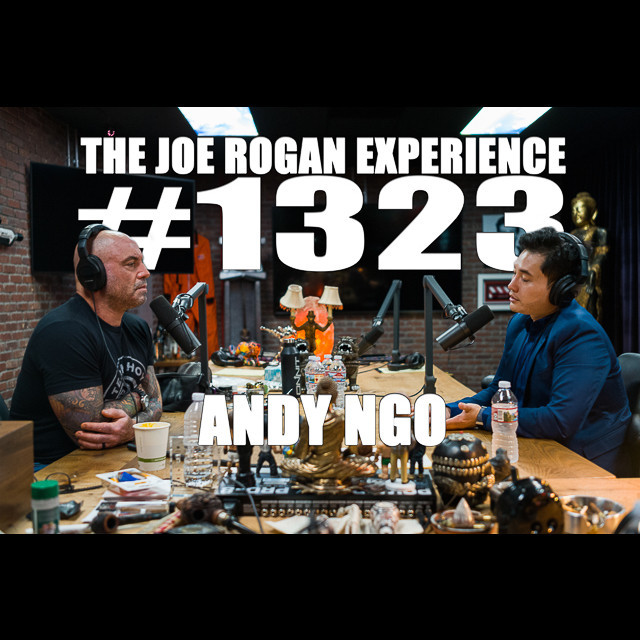
This Joe Rogan podcast with Andy Ngo takes a deep dive into the world of Antifa and political violence, exploring the organization’s ideology, tactics, and the consequences of their actions. Ngo, a journalist who has been a vocal critic of Antifa, recounts his personal experiences with their violence, including a brutal attack that left him with a brain hemorrhage. The podcast unravels the complexities of Antifa’s movements, delves into the role of media in shaping public perception, and raises questions about the role of government and law enforcement in addressing political violence. Provocative topics discussed include the use of masks, the justification of violence, and the potential for escalation. The podcast also explores the deeper themes of the dangers of mob mentality, the normalization of violence, and the chilling consequences of unchallenged extremist ideologies.
Major Topics:
- Andy Ngo’s Experiences with Antifa: Ngo shares his personal experiences of being attacked by Antifa, including the events leading up to the June 29th, 2019, attack in Portland, Oregon. He describes the brutal assault, the lack of police intervention, the injuries he sustained, and the subsequent threats he has received.
- Antifa’s Ideology and Tactics: The podcast dissects Antifa’s core beliefs, including their opposition to fascism, their embrace of anarchy, and their justification of violence. Ngo discusses Antifa’s organizational structure, their use of masks and mob mentality, and their recruitment tactics.
- The Role of Media in Antifa Coverage: The podcast explores the way the media has portrayed Antifa, highlighting the bias, misinformation, and outright dismissal of Ngo’s experiences. It raises questions about the media’s responsibility in addressing political violence and their role in normalizing Antifa’s tactics.
- The City of Portland’s Response: The podcast delves into the specific case of Portland, Oregon, where Antifa has operated with a degree of impunity. Ngo discusses the inaction of the Portland Police Department, the controversial role of the mayor, and the lack of policy changes to address Antifa’s violence.
- The Dangers of Mob Mentality: The podcast emphasizes the psychological factors at play in Antifa’s violence, including the role of mob mentality, the diffusion of responsibility, and the dehumanization of their targets. Ngo argues that these factors contribute to the normalization of violence and make it difficult for individuals to challenge the group’s actions.
- The Potential for Escalation: The podcast explores the potential for further violence, particularly given the polarized political climate and the growing sense of threat on both sides of the political spectrum. Ngo warns that if Antifa’s violence continues unchecked, it could trigger a response from more extremist groups, potentially leading to more dangerous and widespread conflicts.
- The Importance of Free Speech and Expression: The podcast underscores the importance of freedom of speech and assembly, arguing that Antifa’s actions represent a direct threat to these fundamental rights. Ngo emphasizes that the ability to express dissenting opinions and gather peacefully is essential for a functioning democracy.
- The Role of Law Enforcement: The podcast critiques the Portland Police Department’s handling of Antifa-related events, raising questions about their role in protecting citizens and upholding the law. Ngo argues that law enforcement’s inaction has emboldened Antifa and contributed to a climate of fear and impunity.
- The Impact on Society: The podcast examines the broader impact of Antifa’s actions on society, including the erosion of trust in institutions, the normalization of violence, and the creation of a climate of fear and division. Ngo argues that Antifa’s tactics are undermining the fabric of American democracy.
- The Future of Antifa: The podcast speculates on the future of Antifa, exploring the potential for growth, the possibility of further violence, and the need for a more robust response from law enforcement and society at large.
- Andy Ngo’s Perspective on the Future: Ngo shares his own thoughts on how to move forward, discussing his determination to continue his work despite the threats and attacks he has faced. He expresses concern about the potential for further violence but also expresses hope that his experiences will raise awareness and lead to changes in how Antifa is viewed and addressed.
- The Importance of Research and Intelligence Gathering: The podcast stresses the importance of conducting research and gathering intelligence on Antifa to better understand their organization, funding, and radicalization efforts. Ngo believes that this information is essential for developing effective strategies to counter Antifa’s activities.
- The Role of the Public: The podcast emphasizes the importance of public awareness and engagement in addressing Antifa’s violence. Ngo encourages listeners to support his legal fund and contribute to the fight against extremist ideologies.
- The Need for a Change in Discourse: The podcast calls for a shift in the national conversation about Antifa, arguing that the media and public need to recognize the true nature of the organization and its threat to democracy. Ngo believes that a more honest and nuanced discussion is essential for addressing the issue effectively.
- The Impact of Andy Ngo’s Story: The podcast highlights the significant impact of Ngo’s personal story, arguing that his experiences have brought the issue of Antifa violence to the forefront of public consciousness. Ngo hopes that his story will serve as a catalyst for change and a reminder of the importance of defending free speech and democracy.
- The Need for Action: The podcast concludes with a call for action, urging listeners to be vigilant, speak out against violence, and support efforts to protect free speech and democracy. Ngo believes that the future of our society depends on our collective willingness to address the dangers of extremism.
Memorable Quotes:
- “The violence isn’t just arbitrary. It’s working towards their goal. It’s a movement of violent, radical, anarchist, and communists, and they’re agitating for political revolution and violence is part of the modus operandi. It’s not a bug. It’s the feature of what they do.” – Andy Ngo, describing Antifa’s ideology and tactics.
- “You can’t just have a little bit of violence and then there’s no repercussions. People react to that.” – Andy Ngo, discussing the potential for escalation and the dangers of unchecked violence.
- “This is how people get shot. This is how people die. When you allow a certain amount of violence and when you condone it or don’t do anything with violence that you can’t defend, like violence against a person like yourself.” – Joe Rogan, highlighting the consequences of allowing political violence to go unchecked.
- “It’s the implementation of it that I have the biggest problem with. It’s just the group mentality. It’s wearing the mask. It’s the assault. It’s the not understanding the consequences of violence. All these things. This is what I have a problem with.” – Andy Ngo, explaining his specific concerns with Antifa’s methods.
- “I’m hoping that from that, it goes beyond just being a headline, but forcing the national discourse to change on how it views and talks about Antifa.” – Andy Ngo, expressing his hope that his experiences will lead to a more honest and nuanced conversation about Antifa.
“`