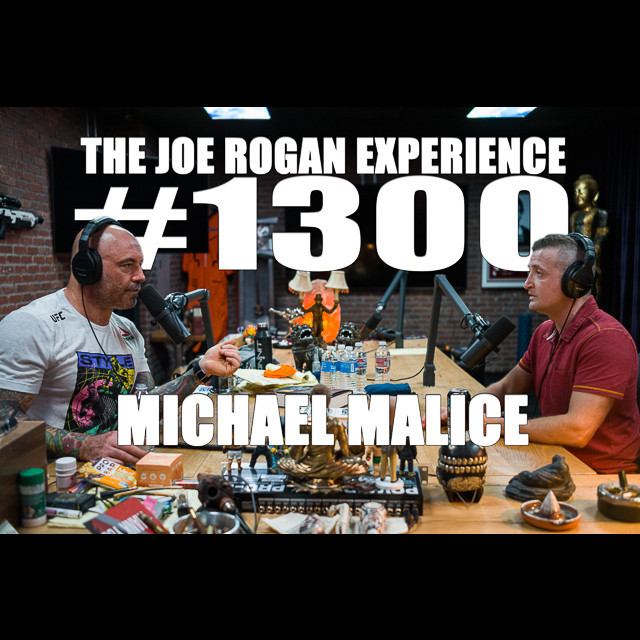
20-May-19
“`html
This podcast features an engaging and provocative conversation between Joe Rogan and Michael Malice, diving into various topics, including political commentary, freedom of speech, and the complexities of modern communication. Here are the major themes identified throughout their discussion:
1. Deplatforming and Censorship
The conversation touches on the increasing trend of deplatforming individuals for their opinions, exploring its implications. Rogan and Malice discuss how deplatforming often begins with socially acceptable figures, creating a slippery slope.
- Deplatforming starts typically with extreme figures.
- This practice sets a dangerous precedent as it progressively targets broader viewpoints.
- They question the morality of efforts to silence individuals based on their associations or past actions.
- The duo argues for open discourse despite differing opinions, asserting that dialogue is crucial for democracy.
2. Polarization in Political Discourse
Malice and Rogan explore how political parties exacerbate the division, making it difficult to engage with differing opinions. They highlight the dangers of tribalism, where disagreement equates to moral failing.
- The two discuss the malicious intent to categorize individuals based on party lines and ideologies.
- They emphasize the vital need for engaging in civil conversations, regardless of differing opinions.
- They lament how the current political climate has turned empathy into a commodity.
- Malice explains that the perception of others is often twisted by preconceived notions drawn from social media narratives.
3. Cultural Shift in Acceptable Discourse
They delve into the shifting boundaries of acceptable speech and how past media figures could interview dictators without backlash. This contrasts starkly with today’s norms, where minor associations can lead to severe consequences.
- The increasing scrutiny surrounding media appearances is a novel phenomenon.
- Rogan and Malice consider the historical precedent of celebrities engaging with controversial figures without repercussions.
- This speech culture arises from the rise of social media influencing perceptions of acceptable dialogue.
- Rogan hints that this phenomenon could lead to a reverence for authority, hindering discourse.
4. The Illusion of Political Correctness
They discuss the concept of political correctness, which Malice argues often extinguishes nuanced conversation. There is a focus on how it operates more like dogma than ethical guidelines.
- Malice discusses how moral certainty can lead to the aggression towards perceived “sinners” or “wrongdoers.”
- Both express concerns regarding how certain ideologies have become weaponized against diverse opinion sets.
- They express that sometimes thoughtful conversations can be drowned out by disorder.
- The mockery of faux morality is highlighted, as they argue that this can actually hinder productive dialogue.
5. Impact of Social Media on Communication
Malice argues that social media has transformed how individuals communicate, creating echo chambers. Rogan counters, noting how platforms have enabled discussion across various perspectives.
- The evolution of social media leads to greater divide rather than unity.
- Rogan believes that the accessibility of various viewpoints is an asset rather than a threat.
- Malice presents the view that social media has contributed to outrage culture.
- They both express a desire for more rational and balanced discourse.
6. Controversial Figures and Their Reception
Rogan and Malice discuss controversial personalities and events, such as Milo Yiannopoulos and their effects on political discussions, highlighting how perceptions can differ heavily across ideologies.
- They note that controversial figures often become scapegoats for wider societal issues.
- The complexity surrounding their presence in media and societal discourse is unraveled.
- They share that opposing viewpoints can lead to misunderstandings and groupthink.
- Rogan underscores the necessity of discussing and engaging with controversial figures rather than avoiding them.
7. The Nature of Offense
They tackle the speed with which people are offended today and how this reaction stifles discussion. Malice recounts instances where reactions overshadow rational discourse.
- Malice points out how humor has become a battleground for many social issues.
- They discuss the thin line between provocation and genuine offense.
- Rogan emphasizes that intent should be considered before judging reactions.
- They argue that humor can be an effective bridge in understanding one another.
8. Intellectual Curiosity and the Quest for Knowledge
Throughout the podcast, the theme of seeking knowledge and understanding through curiosity emerges. Both Rogan and Malice encourage exploration of differing ideas as a path toward enlightenment.
- They celebrate the power of the internet in making information widely accessible.
- Rogan mentions how curiosity drives his podcast and the rich conversations that ensue.
- Malice reflects on the notion that challenging one’s beliefs often leads to personal growth.
- They underscore that understanding is enriched through diverse perspectives.
9. Norms of Masculinity and Emotional Expression
Discussions about societal expectations around masculinity occur, particularly regarding how men express emotions. They advocate for the breaking of traditional norms surrounding male emotionality.
- Both perceive current stereotypes of masculinity as limiting and harmful.
- They discuss personal experiences that highlight the importance of emotional awareness.
- Rogan shows how sharing vulnerabilities can foster deeper connections and conversations.
- They believe there is a need for greater openness surrounding emotional struggles.
10. The Intersection of Humor and Social Commentary
The interplay between humor and serious social commentary is examined, emphasizing how comedy often reveals truths others might shy away from.
- Malice cites the importance of humor in addressing delicate topics.
- They explore comedy as a tool for pushing boundaries and prompting discussions.
- Rogan expresses admiration for comedians who challenge societal norms through satire.
- They emphasize the vital role comedy plays in the landscape of public discourse.
11. Libertarian Ideologies and Their Appeal
Discussing libertarian principles, they analyze the appeal of these ideas in today’s society, especially concerning personal freedom and minimal regulation.
- Malice reflects on the rapid growth of libertarianism as discontent rises.
- Rogan points out that many people are tired of existing political structures and seek alternatives.
- They argue that a libertarian approach could restore personal agency over regulatory oversight.
- The appeal of a ‘live and let live’ mentality resonates strongly with listeners.
12. The Role of Activism in Contemporary Society
Rogan and Malice debate whether contemporary activism still serves its original purpose of enacting positive societal change or whether it has become self-serving.
- Malice highlights instances where activism seems designed to incite outrage.
- The two question the real-world impact of social media activism.
- Rogan prompts a discussion on the differences between performative activism and genuine passion.
- There’s shared concern about activism becoming a tool for virtue signaling.
13. Individual Agency vs. Collective Responsibility
The distinction between personal responsibility and collective societal issues is challenged throughout the discussion, emphasizing the necessity for individual agency.
- The duo contemplates how far society’s burden should extend to the individual.
- Rogan posits that empowering individuals can lead to greater collective improvement.
- Malice discusses the dangers of absolving individuals of their responsibility.
- They reaffirm the belief that positive societal change must start with individual accountability.
14. Diversity of Thought and Its Importance
Promoting diversity of thought is a recurring theme in the conversation, with both Rogan and Malice advocating for varied perspectives to enhance understanding.
- They assert that exposure to opposing ideas can strengthen one’s viewpoints.
- Malice champions the debate as a necessary component of friendship and learning.
- Rogan admits to enjoying engaging with people who challenge his beliefs.
- The focus is on collaboration and openness in a multifaceted world.
15. Changing Landscapes of Media Consumption
The conversation dives into how media consumption has evolved over time, leading to rising podcast culture as a primary source of education and entertainment.
- Rogan notes that podcasts provide deeper engagement compared to traditional media.
- Malice agrees that expanding platforms democratizes knowledge distribution.
- They anticipate a shift in how information is consumed and valued.
- There is excitement about the potential of podcasts to inspire creativity.
16. Engaging Cultural Conversations
Lastly, they delve into the significance of engaging in deeper cultural conversations, encouraging active participation in discussions that matter.
- Rogan refers to the immense value derived from discussing culturally relevant topics.
- Malice emphatically states that engaging with diverse ideas leads to richness in understanding.
- They both reflect on the notion that cultural conversations inspire growth.
- They encourage listeners to participate actively and advocate for their beliefs while remaining open to dialogue.
5 Memorable Quotes:
“If you wanted to keep Donald Trump in office, the way the people who oppose him are behaving is the perfect way to keep him there.” – Michael Malice
“When you accept one grade, it leads to accepting more ridiculous ideas down the line.” – Joe Rogan
“A lot of people think they’re doing the right thing, but they ignore the consequences.” – Michael Malice
“At the end of the day, comedy is a way to push boundaries and reveal truths.” – Joe Rogan
“The only thing that unites different factions is their opposition to progressivism.” – Michael Malice
“`