15-Jan-19
“`html
1. The Nature of Comedy and Performance
The conversation reflects on how stand-up comedy is evolving, especially with influences from social media and streaming services.
Artists, like Eddie Murphy, have the potential to come back and revolutionize comedy once more. The interest in creating unique comedic styles remains strong.
They discuss the pressures comedians face, including the challenge of being ‘funny’ in a politically sensitive world.
The importance of humor as a way to process life events and societal issues becomes evident, emphasizing the need for comedians to adapt.
2. Experiences with Mental Health
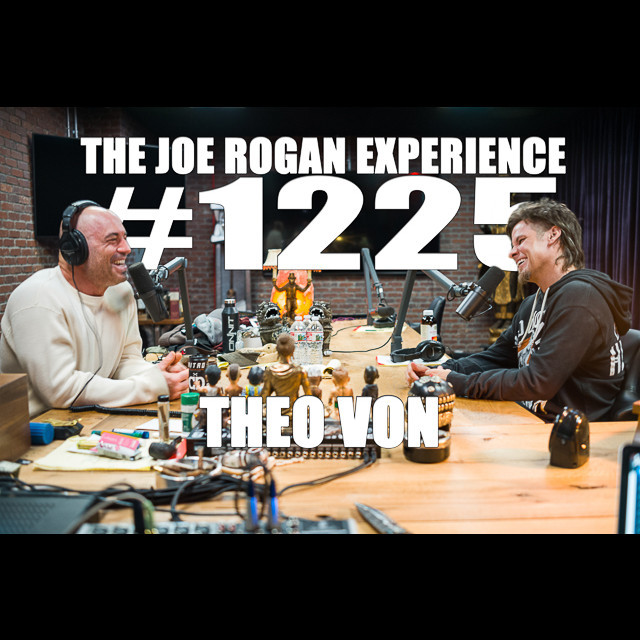
Theo and Joe explore mental health issues among comedians, highlighting how the comedy industry can impact emotional well-being.
They discuss the addictive nature of comedy and the dark side of fame, sharing personal stories and struggles.
The importance of having a support system and being vulnerable is stressed as they share anecdotes from their lives.
Overall, the dialogue serves to destigmatize mental health conversations in comedy.
3. LGBTQ+ Representation in Comedy
They touch upon the changing landscape of sexuality, humor, and identity, emphasizing openness and acceptance.
The impact of popular figures in popularizing LGBTQ+ themes in comedy is discussed, alongside the evolution of societal perceptions.
Theo mentions the challenges of navigating humor with cultural sensitivities, especially related to LGBTQ+ narratives.
They both agree that comedy can bridge gaps in understanding about sexuality and identity.
4. Nature and Interactions with Animals
A lively discussion includes humorous thoughts on animal behavior, instincts, and peculiar human-animal experiences.
Theo shares personal tales of interaction with nature, reflecting on human tendencies to anthropomorphize animals.
They explore the idea of using animals for communication, showcasing amusing hypothetical scenarios.
Their shared fascination highlights the deeper connections humans have with the natural world.
5. The Role of Technology in Comedy
The increasing role of technology, such as social media and streaming platforms, fundamentally changes how comedians reach their audiences.
They discuss the evolving landscape of comedy specials and the impact of viral content on fame and success.
Concerns surrounding the perfection of appearances on platforms raises thoughtful commentary on authenticity.
Ultimately, the discussion hints at the challenge of maintaining originality amid an oversaturation of content.
6. Parenting and Personal Growth
Theo shares his experiences and thoughts on parenting, touching upon the profound changes it brings.
Joe reflects on the responsibilities and emotional challenges of raising children, discussing how it shapes one’s perspective.
Overcoming personal challenges and vulnerabilities emerges as a significant theme, emphasizing growth.
The conversation illustrates the importance of love and connection in the face of adversity in family life.
7. Comedy and Relationships
The discussion dances over the complexities of relationships, focusing on how comedy influences them.
They joke about dating and the social expectations placed on both men and women in romantic situations.
There’s an exploration of how comedians navigate their public personas alongside their private lives.
The humorous banter showcases both the challenges and the lighter side of relationships for entertainers.
8. The Discourse on Politics and Society
Theo and Joe remark on contemporary societal issues, including the state of American politics and public discourse.
Younger generations become conversant in political issues and the implications for the future of comedy.
The effects of societal polarization on comedy and the ever-present tension in political advancement are examined.
The need for laughter as a collective coping mechanism in turbulent times is poignantly articulated.
9. The Nature of Success
Success is defined uniquely for everyone, and they riff on the various desires and aspirations people converge upon.
The duo converses about the impact of perceived failure versus the reality of success in the entertainment industry.
They exchange opinions on how fame and fortune alter personal priorities and relationships.
The complexity and subjectivity of success in their personal lives also feed into this part of the conversation.
10. Reflection on Cultural Legacy
Theo remarks on the importance of companions and mentors in the comedy world, discussing their cultural impact.
He expresses a desire to leave behind a positive legacy in the industry, concerning his work and personal life.
The need for sharing knowledge within the comedic community is highlighted during their dialogue.
Ultimately, there’s optimism about the future of comedy and the current generation’s contributions.
11. The Influence of Fame
They explore the impact celebrity status has on personal lives, relationships, and mental health.
An in-depth discussion on how fame can transform interactions and expectations with those around you is shared.
Challenges faced with maintaining one’s identity in the public eye are shared, drawing from real experiences.
The difficulty of balancing public and private personas becomes a cornerstone of their observations.
12. The Complexities of Social Norms
They touch on shifting social norms regarding sexuality, humor, and appropriateness in today’s society.
This discussion of evolving humor reflects concern about over-censorship and the limits of comedy.
The nuance of pushing boundaries through comedy is examined, elucidating both advantages and challenges.
Together, they navigate cultural sensitivities with a light-hearted approach, asserting that comedy is a reflection of society.
13. Economic Theories and Universal Income
The duo discusses uncharted territories regarding universal basic income and potential economic changes.
They explore how the integration of technology and automation might alter job markets and individual livelihoods.
The pros and cons of UBI are debated, questioning the societal impacts and feasibility.
A deeper understanding of the financial systems that dictate people’s lives brews through their conversation.
14. The Humor of Everyday Life
They often draw humor from mundane experiences and peculiarities of everyday living.
Sharing laugh-inducing anecdotes unveils how comedy can arise from seemingly trivial situations.
There’s an emphasis on the hilarious aspects of human behavior and idiosyncrasies.
The joy of transforming ordinary moments into laughter illustrates the fundamental nature of comedy.
15. The Evolution of Modern Relationships
The complexities of contemporary relationships are outlined, including new forms of communication and connection.
They’re curious about how modern dating differs from previous generations, especially with technology’s influence.
The transition from traditional dating concepts to alternative forms of relationships is explored.
Consistency and change in dating practices reveal both challenges and opportunities for intimacy.
16. Controversies in Stand-Up Comedy
They take time addressing controversies that can arise around certain bits in stand-up comedy.
The evolution of what is considered appropriate in humor, what may soon become controversial appears frequently.
They dissect the balance comedians must find between pushing limits and respecting boundaries.
This conversation encapsulates the constant dance between humor and sensitivity in the modern-day landscape.
17. Personal Reflections and Life Lessons
Throughout their conversation, personal reflections on successes and failures emerge to shape their viewpoints.
Life lessons learned through hardship and humor imprint upon their discussion, yielding insightful takeaways.
They’re clearly both products of their experiences, revealing wisdom that only comes from living full lives.
The counseling moments illuminate the power of vulnerability and authentic sharing.
18. The Future of Entertainment
Insights offered toward trends shaping the entertainment industry reflect the broader transformation observed by both.
They touch on the rise of new platforms transforming narratives of storytelling in unconventional manners.
The future of entertainment and the role of digital landscapes predominate their imaginative musings.
Ultimately, the dialogue conveys hope for creativity and originality moving forward.
19. The Changing Face of Family Dynamics
Discussions about family dynamics intertwine with the complexities of parental roles in today’s society.
The differences in parenting strategies evolve, reflecting changing cultural values and norms.
They ponder how societal shifts influence modern family units and relationships.
Introspection into familial relationships prompts thoughtful discussions about defining family.
20. The Journey of Self-Discovery
Finally, reflections on the journey of self-discovery reveal that neither of them is done evolving.
The importance of continual growth, exploration, experimentation, and laughter is emphasized.
They touch on how every experience contributes to shaping one’s identity and beliefs.
Ultimately, they underscore how self-discovery is a lifelong venture laden with rewards.
5 Memorable Quotes:
- “Comedy is a reflection of society; it’s the laughter we create that connects us all.” – Theo Von
- “In comedy, simply being funny is the only way to bridge the intense polarization.” – Joe Rogan
- “Sometimes the best stories come from our most painful experiences.” – Theo Von
- “As artists, we have a responsibility to speak for those who can’t.” – Joe Rogan
- “A good laugh can be the best medicine for what ails you.” – Theo Von
“`