13-Dec-18
“`html
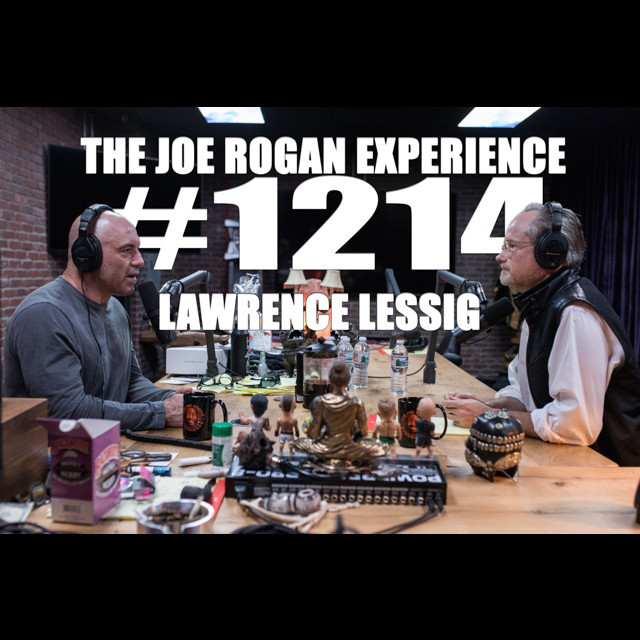
Podcast Topic Analysis: #1214 – Lawrence Lessig
This podcast dives headfirst into the complex and often contentious world of American politics, exploring the profound influence of money and special interests on the political system. Provocative topics like campaign finance, gerrymandering, lobbying, and the electoral college are dissected with a critical lens, revealing the systemic corruption that permeates the very fabric of democracy. Underlying themes delve into the consequences of this corruption on both individual citizens and the national discourse, highlighting the urgency for reform and the need for a more representative and accountable government.
1. The Rigged Game: Campaign Finance and Influence Peddling
- The money primary: Candidates must raise substantial funds from a tiny fraction of the 1% to compete, prioritizing the interests of wealthy donors.
- The influence of “Lesters”: A small number of individuals who give maximum contributions exert an outsized influence over policy decisions.
- The revolving door: Congresspeople often leave office to become lobbyists, blurring the lines between public service and private gain.
- A system designed for profit: The system incentivizes politicians to prioritize fundraising over representing their constituents, leading to a lack of genuine representation.
2. Gerrymandering: Distorting Representation and Empowering Extremes
- Safe seats: The majority of congressional districts are gerrymandered to favor one party, creating safe seats and diminishing the impact of opposing viewpoints.
- The rise of extremism: Incumbents are more concerned with appeasing the extreme factions within their own party, pushing policy further away from the center.
- Ignoring the majority: The views of ordinary citizens who don’t align with these extreme positions are often ignored, as they don’t hold sway in safe seat districts.
- A democratic deficit: Gerrymandering undermines the core principle of democracy, where all voices should be heard and represented.
3. The Looming Threat of “Super PACs” and the Corruption of Free Speech
- Unlimited spending: Super PACs, fueled by a small number of wealthy donors, can spend unlimited amounts of money to influence elections, overwhelming candidates with limited resources.
- The power of the “Adolfs”: A minuscule number of individuals control the purse strings of super PACs, shaping the political landscape.
- Free speech versus influence: While corporations have a right to free speech, the scale of their spending undermines the ability of individuals and smaller groups to compete in the marketplace of ideas.
- The distortion of democratic ideals: Super PACs distort the democratic process, prioritizing the interests of a few over the well-being of the many.
4. The Case for Reform: HR 1 and the Fight for a More Democratic System
- Public funding of campaigns: HR 1 proposes public funding of congressional campaigns, reducing the influence of wealthy donors and allowing candidates to focus on representing their constituents.
- Ending gerrymandering: The bill seeks to end partisan gerrymandering, creating fairer districts and fostering greater representation of diverse viewpoints.
- Closing the revolving door: HR 1 aims to curb the flow of money and influence from lobbyists, creating a more transparent and accountable government.
- The need for presidential leadership: The success of HR 1 hinges on a president who makes political reform a top priority and actively champions its passage.
5. The Electoral College: A Broken System that Distorts Representation and Fuels Partisanship
- The winner-take-all system: The electoral college system gives disproportionate power to battleground states, ignoring the voices of millions of Americans in other states.
- A focus on a select few: Presidential candidates prioritize winning battleground states, tailoring their policies and campaigns to appease these specific regions, often at the expense of national priorities.
- The possibility of a loser winning: The electoral college allows a candidate to win the presidency despite losing the popular vote, undermining the principle of one person, one vote.
- The need for reform: Both the national popular vote compact and the proportional allocation of electors offer potential solutions to the problems of the electoral college, but require significant political will to implement.
6. The Rise of Authoritarianism: The Perils of a Corrupted Democracy
- The decline of trust: The pervasive influence of money and special interests has eroded public trust in the government, creating a fertile ground for authoritarianism.
- The manipulation of information: The spread of misinformation and the creation of echo chambers on social media platforms have made it difficult to discern truth from fiction, furthering polarization.
- The dangers of unchecked power: The lack of competition and the concentration of power within a few corporations create a situation where they can influence government policies, often at the expense of public good.
- The need for a vigilant citizenry: A strong and informed citizenry is essential to counter the forces of corruption and authoritarianism, ensuring that democracy thrives.
7. The Power of Technology: The Promise and Peril of a Digital Age
- The digital divide: While technology has the potential to empower citizens and foster greater participation in democracy, it also exacerbates existing inequalities, creating a digital divide between those who have access and those who do not.
- The threat of surveillance: Advances in biometric technology, while providing individual security, also raise concerns about the potential for mass surveillance and the erosion of privacy.
- The manipulation of information: Social media platforms have become powerful tools for spreading misinformation and propaganda, manipulating public opinion and shaping political discourse.
- The need for responsible governance: Regulation and ethical guidelines are needed to ensure that technology is used for the betterment of society, not for the benefit of a select few.
8. The Importance of Dialogue and Understanding: Fostering a More Informed Citizenry
- The limitations of traditional media: Traditional media outlets, driven by advertising dollars and ratings, often provide shallow coverage of complex issues, hindering in-depth understanding.
- The power of podcasting and long-form content: Podcasts and other long-form content formats provide space for nuanced discussions and a deeper exploration of critical issues, fostering a more informed citizenry.
- The rise of critical thinking: The internet and social media, while posing challenges, have also fostered a culture of critical thinking and skepticism, encouraging individuals to question established narratives and seek diverse perspectives.
- The need for ongoing engagement: A healthy democracy requires ongoing dialogue, critical reflection, and a commitment to seeking truth and understanding, even in the face of challenging and divisive issues.
9. The Power of Grassroots Activism: Building a Movement for Change
- The rise of new voices: Emerging political figures like Alexandria Ocasio-Cortez and Tulsi Gabbard represent a new generation of politicians who are unafraid to challenge the status quo and prioritize the needs of their constituents.
- The need for a unified front: The fight for political reform requires a coalition that transcends traditional partisan divides, bringing together individuals from across the political spectrum.
- The power of collective action: Grassroots activism, fueled by a shared desire for change, can mobilize the public and pressure politicians to address systemic problems.
- The potential for hope: While the challenges are immense, the potential for change is real. By uniting behind a common cause and demanding accountability from elected officials, citizens can make their voices heard and create a more just and equitable society.
10. The Long Road to Reform: The Urgency of Action
- The need for a new operating system: The current political system, rife with corruption and special interests, is in dire need of a complete overhaul, akin to replacing a broken operating system with a more robust and functional one.
- The power of competition: Ensuring vigorous competition in the marketplace of ideas and fostering innovation in the tech sector are crucial steps towards a more representative and accountable democracy.
- The fight for the future: If we fail to address the systemic corruption that has taken root in our political system, we risk undermining the very foundations of democracy and paving the way for authoritarianism.
- The importance of hope: Despite the challenges, a commitment to the ideals of democracy and a belief in the ability to build a better future are essential for creating the change we need.
Memorable Quotes
- “We’ve got a system where we have a money primary, and then we have a regular election. And in the money primary, to compete, you’ve gotta raise tons of money to be able to fund your campaign.”
- “The framers didn’t create a constitution to replicate an aristocracy. They were fighting an aristocracy. They had a system where there was a house, the house of lords, they had to ask the aristocracy, what do you want? And everything could be blocked if the aristocracy didn’t like it. Well, we’ve replicated that system more efficiently in America than they had there because we have a system where both the House of Representatives and the Senate is filled with people who are obsessed with a single question, what do my funders want?”
- “The system’s broken. We can see it’s broken. The first thing we have to do is to fix the broken congress. And if we fix that congress, then we have a chance to have an argument about what policy makes sense for America, and and we each have our views, but no views are different, but the thing we don’t agree about we should be able to agree on.”
- “I think that the moment the United States Congress begins to fall apart in a really dramatic and interesting way is when new Cambridge becomes. speaker of the house. So when the Republicans take control of congress in 95, it’s the first time the Republicans have taken control of the House since 40 years. So the house becomes incredibly competitive. Each election, you know, is up for grabs. Who’s gonna control the house? So, Gingridge turns his members in the house into perpetual fundraisers. It’s basically we gotta raise the money to defend ourselves next time around.”
- “If you don’t want negative search results, Don’t do negative things.”
“`