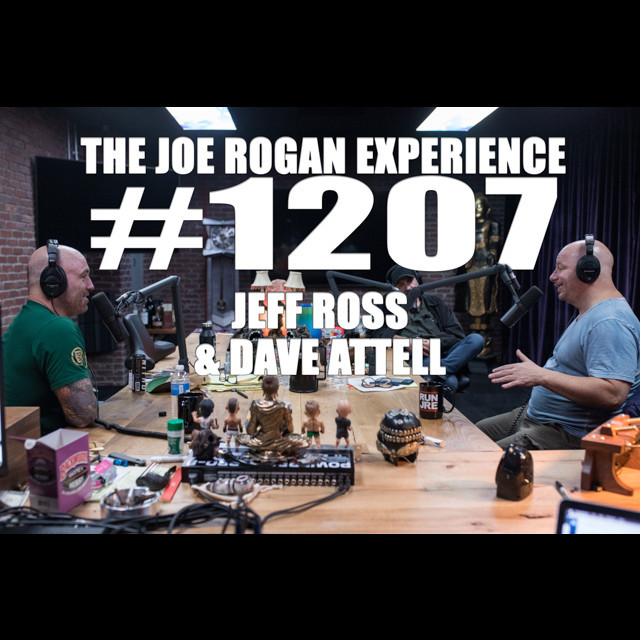
27-Nov-18
This podcast delves into the world of stand-up comedy with two iconic figures, Jeff Ross, the “Roastmaster General”, and Dave Attell, known for his gritty and observational humor. Their conversation reveals a deep understanding of the comedic craft, exploring the nuances of stage presence, joke writing, and the camaraderie within the comedy community. Provocative topics include the role of smoking in stand-up, the origins of their unique “Bumping Mics” style, and the evolution of roast battles. Underlying themes highlight the power of improvisation, the value of mentorship, and the enduring appeal of live comedy in an increasingly digital world.
Major Topics
1. Smoking on Stage
The podcast kicks off with a discussion about smoking on stage, a topic that holds a nostalgic place for the comedians, especially Dave Attell. They reminisce about the days when smoking in comedy clubs was commonplace and discuss how the ban on smoking has affected their performances.
- Dave Attell used to smoke on stage, seeing it as a part of his routine and a way to connect with the audience. The ban made him realize smoking was a performance crutch, but also a source of relaxation.
- Jeff Ross admits that smoking and drinking were weaknesses for him but that cigarettes in particular help him focus on stage.
- The discussion touches on the impact of nicotine on cognitive function, drawing a link between smoking and enhanced performance.
- The use of cigarettes as a pre-show ritual, both for Dave Attell and Jeff Ross, underscores the importance of routines and performance enhancement in stand-up comedy.
2. The Origins of “Bumping Mics”
The podcast delves into the origins and evolution of “Bumping Mics”, a unique comedic collaboration between Jeff Ross and Dave Attell that has evolved from casual interactions at comedy clubs to a full-fledged act and Netflix special.
- Their comedic synergy stems from a shared love of improvisational humor and a deep understanding of each other’s comedic styles.
- Their “Bumping Mics” act emerged organically from late-night jam sessions at the Comedy Cellar in New York City, where they would bring each other on stage for impromptu sets.
- Jeff Ross saw the potential for their collaboration, recognizing the unique energy and audience appeal of their dynamic.
- Their decision to take their act to Montreal’s Just for Laughs Comedy Festival marked a turning point, as their unique style garnered attention and led to their Netflix special “Bumping Mics”.
3. Roast Battle
The podcast dives into the world of roast battles, a comedic format that Jeff Ross has practically rebranded and made popular. He shares insights into the origins, the rules, and the unique skillset required to excel in this art form.
- Jeff Ross recounts how he initially felt uncomfortable being pigeonholed as the “Roast Guy” but eventually embraced his lane with the encouragement of Dave Chappelle.
- He explains that roast battles are not just about throwing insults but also about the strategic use of humor, timing, and wordplay to disarm opponents.
- He highlights the importance of original material, physical contact, and a focus on the punchline in Roast Battle, emphasizing the importance of strategic thinking.
- The discussion touches on the evolution of roast battles, noting that the format has become more sophisticated and strategic, with participants demonstrating a deeper understanding of the art form.
4. The Comedy Store
The conversation explores the Comedy Store, a legendary Los Angeles comedy club that has played a pivotal role in shaping the careers of many comedians, including Jeff Ross and Dave Attell. They reflect on the club’s changing energy and its role as a hub for comedic talent.
- Jeff Ross describes the Comedy Store’s transformation from a dimly lit, somewhat intimidating space to a more energetic and welcoming environment, largely due to the impact of Roast Battle.
- They discuss the unique camaraderie of the comedy community, particularly the sense of shared purpose and support among comedians.
- The Comedy Store’s transformation is seen as a positive development, highlighting the club’s ability to adapt to changing trends in comedy.
- The conversation reinforces the significance of comedy clubs as incubators for talent, providing a space for comedians to hone their skills and connect with their peers.
5. Gilbert Gottfried
The comedians share anecdotes about Gilbert Gottfried, a comedian known for his outrageous and often offensive humor, and discuss his unique style and impact on the comedy scene.
- Jeff Ross and Dave Attell describe Gottfried as a “savage” and a “wild man” who thrives on pushing boundaries.
- They highlight his fearless delivery, his lack of a filter, and his ability to generate laughter through shock value.
- They recount a hilarious anecdote about Gottfried’s impromptu appearance at one of their “Bumping Mics” shows, where he delivered a cutting roast joke about a guest.
- The discussion acknowledges Gottfried’s iconic status among comedians, recognizing his impact on the development of stand-up comedy and his influence on younger generations of comics.
6. The Power of Timing
The podcast delves into the importance of timing in stand-up comedy, a crucial element that separates great comedians from the rest. They discuss how timing affects audience reception and the unique timing abilities of comedians like Norm Macdonald.
- Dave Attell and Jeff Ross recognize that timing is a subtle art form that is often overlooked in today’s comedy landscape, which is more focused on identity and social commentary.
- They discuss how Norm Macdonald’s mastery of timing has made him a comedic legend, noting his ability to deliver punchlines with perfect precision and comedic grace.
- They reflect on how timing can enhance the impact of a joke and create a more memorable comedic experience for the audience.
- The discussion underscores the importance of timing as a fundamental element of comedic storytelling, emphasizing its ability to elevate the art form.
7. The Impact of the Internet on Comedy
The podcast explores the impact of the internet on the world of comedy, acknowledging the pros and cons of increased accessibility and the potential for viral fame.
- They discuss how the internet has democratized comedy, allowing comedians to reach wider audiences and build followings independent of traditional gatekeepers.
- They recognize the internet’s ability to expose comedians to new audiences and create opportunities for viral content.
- They also acknowledge the internet’s potential to fragment audiences and create echo chambers, impacting the development and reception of comedic material.
- The conversation suggests that the internet has created both challenges and opportunities for comedians, highlighting the importance of adapting to a rapidly evolving landscape.
8. The Importance of New Material
The comedians discuss the challenges of writing new material and the importance of constantly evolving as a comedian. They share insights into their creative processes and the role of experimentation in stand-up comedy.
- Dave Attell emphasizes the importance of constantly pushing boundaries and trying new material, even if it means risking failure.
- They both acknowledge that crafting new material is a challenging process that requires constant refinement and adaptation.
- They discuss the role of audience feedback in shaping their comedic voices and the importance of staying present and responsive to their reactions.
- The conversation highlights the dynamic nature of stand-up comedy, recognizing that the best comedians are always striving to improve and refine their craft.
9. The Role of Family in Comedy
The podcast touches on the importance of family in their lives and careers, acknowledging how personal experiences inform their comedic voices.
- Jeff Ross’s inclusiveness towards his family is highlighted, with them often joining him on tour and being integrated into his comedic world.
- Dave Attell’s solitary nature is contrasted with Jeff Ross’s more familial approach, showing that there are diverse ways for family to be present in the life of a comedian.
- The conversation underscores how family can provide a grounding force for comedians, offering a sense of stability and support amidst the chaotic world of stand-up.
- They emphasize that family relationships can provide rich material for comedic exploration, allowing comedians to draw upon personal experiences for their routines.
10. The Importance of Exercise
The podcast concludes with a discussion about exercise and its importance for both physical and mental well-being, particularly for comedians who rely on their bodies for their craft.
- They discuss the benefits of calisthenics and bodyweight exercises, highlighting their accessibility and effectiveness for staying fit and active.
- Jeff Ross emphasizes the role of exercise in maintaining a healthy mindset, noting that it helps him manage stress and stay focused.
- The conversation highlights the importance of finding forms of exercise that align with individual preferences and lifestyles, emphasizing the role of consistency and habit-building.
- They acknowledge that exercise is crucial for comedians, who need to stay in shape both physically and mentally to deliver their best performances.
11. The Impact of Trauma
The podcast touches on the impact of trauma on comedic voices, highlighting the experiences of Roseanne Barr and Sam Kinison. They discuss how personal trauma can shape artistic expression and influence comedic style.
- Jeff Ross highlights Roseanne Barr’s history of suffering a head injury, drawing a connection between her traumatic experience and her aggressive and often controversial comedic style.
- He also discusses Sam Kinison’s traumatic childhood and its impact on his raw, intense, and often confrontational comedic persona.
- The discussion acknowledges the complexities of trauma and its influence on art, recognizing that personal experiences can inspire powerful and often challenging artistic expression.
- They emphasize the importance of understanding the context of these comedians’ backgrounds, acknowledging how trauma can shape their artistic choices and their comedic voices.
12. The Evolution of Taboo Topics
The podcast explores the evolution of taboo topics in comedy, recognizing how societal norms and acceptable boundaries have shifted over time.
- They discuss Lenny Bruce’s groundbreaking work in pushing boundaries and challenging societal norms through his comedy.
- They acknowledge how Richard Pryor, Eddie Murphy, and Sam Kinison built upon Bruce’s legacy, expanding the scope of acceptable comedic content.
- They reflect on the impact of social progress on comedy, noting that many topics that were once taboo are now commonplace, creating new challenges for comedians to find fresh comedic ground.
- The conversation highlights the ever-changing nature of comedy, emphasizing how comedians must adapt to evolving societal norms and find new ways to shock, provoke, and entertain audiences.
13. The “Woke” Culture
The podcast touches on the evolving landscape of political correctness and the impact of the “woke” culture on comedy.
- They discuss the rise of hypersensitivity and the tendency to take offense at seemingly innocuous jokes, creating a climate of fear and self-censorship.
- They reflect on the challenges of navigating this new cultural landscape, where humor can be easily misconstrued and unintended consequences can arise.
- The conversation highlights the importance of context, intent, and the ability to recognize irony and sarcasm in comedic expression.
- They acknowledge that the “woke” culture has created a new dynamic in comedy, where comedians must be mindful of their words and actions and navigate a shifting landscape of social expectations.
14. The Importance of Live Comedy
The podcast emphasizes the enduring appeal of live comedy, highlighting the unique energy and connection that exists between comedians and their audiences.
- They contrast the immediacy and spontaneity of live performance with the more controlled and edited nature of comedy specials and online content.
- They discuss the thrill of connecting with an audience in real-time and the unpredictable nature of live comedy, which can lead to unexpected and memorable moments.
- The conversation acknowledges the importance of live performance as a cornerstone of stand-up comedy, emphasizing the value of the unique dynamic between comedian and audience.
- They celebrate the enduring appeal of live comedy, recognizing its ability to create an intimate and unforgettable experience for both performers and audiences.
15. The Future of Comedy
The podcast concludes with a discussion about the future of comedy, acknowledging the challenges and opportunities presented by a rapidly evolving cultural landscape.
- They express their hope for the continued evolution and exploration of stand-up comedy, embracing new voices and perspectives.
- They acknowledge the importance of embracing experimentation and pushing boundaries while remaining mindful of the changing social landscape.
- The conversation suggests that the future of comedy lies in finding a balance between pushing boundaries and being respectful of evolving social norms.
- They express their belief that comedy will continue to evolve and adapt, finding new ways to entertain, provoke, and connect with audiences.
5 Memorable Quotes
- “Whatever it takes to make the jokes fly, bro. Yeah. Whatever — They were — — the term, though. — when they made your jacket.”
- “And I always just thought it was something that if the comics wanted to see it that bad and then more and more comics wanted to come on stage with us.”
- “And, you know, my first TV spot was a 7 hour train ride with Dave to, like, Canada. You know, when we were really young and I’ve heard 3 versions of the story, Joe.”
- “I earned it because when people laughed at me and thought, oh, it’s a dead art. It’s a lost art. It’s antiquated. It’s corny. It’s old guys.”
- “I think it’s of the time. When I came back to the comedy store, first thing I came back to watch was Russ Battle.”