16-Nov-18
“`html
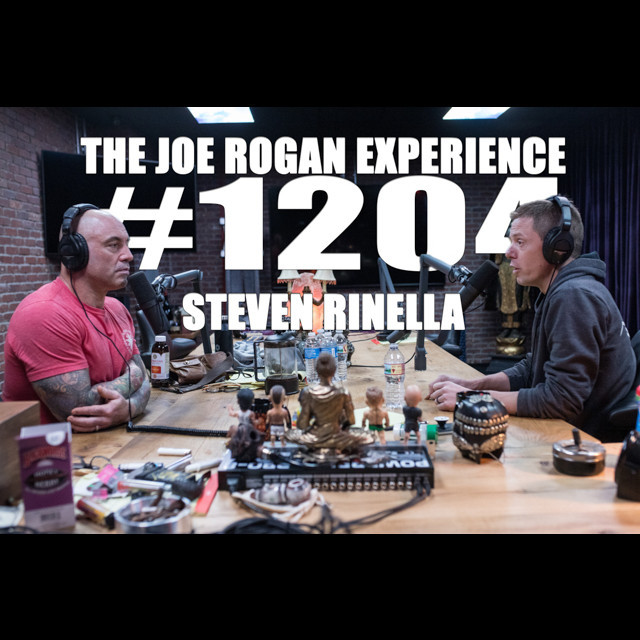
This podcast delves into the fascinating world of Steven Rinella, an outdoorsman, author, and television host, known for his passion for hunting and wild game cuisine. The conversation explores a wide array of topics, from human ancestry and Neanderthals to the ethics of hunting and the controversial rewilding movement. Rinella’s deep knowledge and captivating storytelling create a vibrant tapestry of themes surrounding our relationship with nature, the history of hunting, and the complexities of modern conservation efforts.
Podcast Topic Breakdown
- Human Ancestry and Neanderthal Interbreeding:
- Joe Rogan and Steven Rinella discuss their own DNA results, revealing surprising traces of African ancestry.
- The conversation delves into the limitations of genetic testing and how it may not fully capture lineage.
- They touch upon the ongoing debate about the nature of Neanderthals, challenging the notion of them as unsuccessful or brutish.
- Rinella shares his perspective on the historical understanding of Neanderthals, including their hunting style, art, and potential for intelligence.
- The Role of Meat in Early Human Diets:
- Rinella recounts his childhood experiences with hunting and the importance of wild game in his family’s diet.
- He discusses the prevalence of organ meats in traditional diets, particularly in cultures with limited access to diverse food sources.
- The podcast explores the concept of “subsistence hunting” and the unique challenges faced by individuals who rely solely on wild game for survival.
- Rinella shares a fascinating story about Buck Boden, an Alaskan hunter who lived off the land for months, emphasizing the resilience and adaptability of humans.
- The Beaver Trade and America’s First Millionaires:
- Rinella reveals the astonishing history of the beaver trade, which fueled America’s early economic growth.
- He explains how the demand for beaver pelts, primarily for hats, led to the establishment of powerful fur trading companies and propelled John Jacob Astor to become America’s first millionaire.
- The podcast highlights the significance of the beaver trade in shaping the Louisiana Purchase and the exploration of the American West.
- Rinella shares his own experiences with beaver hunting and the unique culinary challenges it presents, including the distinctive flavor of beaver tail fat.
- The Complicated Relationship Between Hunters and Non-Hunters:
- The podcast explores the cultural divide between hunters and non-hunters, highlighting the often-negative stereotypes associated with hunting.
- Rinella discusses the importance of promoting a more nuanced understanding of hunting, emphasizing the ethical considerations and responsible resource management involved.
- He addresses the common arguments against hunting, including the perceived cruelty and the oversimplification of animal rights concerns.
- Rinella challenges the notion of “willful ignorance” among those who condemn hunting while still consuming meat, highlighting the need for self-reflection and a more holistic understanding of the food system.
- The Controversies Surrounding Invasive Species Management:
- The podcast delves into the complex issue of managing invasive species, using the example of goats on a Scottish island.
- Rinella explains the ecological damage caused by invasive species and the necessity of controlling their populations to protect native ecosystems.
- He addresses the backlash faced by individuals involved in invasive species management, particularly when the actions are perceived as being driven by sport or enjoyment rather than necessity.
- Rinella discusses the ethical challenges of balancing conservation efforts with human interests, particularly when it comes to culturally sensitive or economically important species.
- The Future of Wildlife Management:
- Rinella discusses the ongoing debate surrounding the delisting of recovered species, particularly wolves and grizzly bears.
- He examines the role of federal judges and environmental groups in influencing wildlife management decisions, highlighting the potential for both positive and negative outcomes.
- The podcast explores the concept of “renewable resource management” and the potential for sustainable hunting practices to support healthy wildlife populations.
- Rinella emphasizes the importance of finding a balance between conservation, human needs, and the perspectives of local communities.
- The American Prairie Reserve: A Controversial Rewilding Initiative:
- The podcast introduces the American Prairie Reserve, a large-scale rewilding project aimed at restoring the Great Plains ecosystem.
- Rinella discusses the controversies surrounding the project, particularly the potential impacts on traditional economies and rural communities.
- He examines the long-term goals of the American Prairie Reserve, including the creation of a vast wildlife sanctuary, and the ethical considerations involved.
- The conversation highlights the need for careful planning and community engagement in large-scale rewilding initiatives to ensure their success and minimize negative consequences.
- The Importance of Sharing Knowledge and Perspectives:
- Rinella emphasizes the importance of sharing knowledge and perspectives on hunting and wildlife management to foster understanding and appreciation.
- He highlights the need to challenge negative stereotypes and promote a more nuanced understanding of hunting practices.
- The podcast explores the power of storytelling and personal experiences in bridging the gap between hunters and non-hunters.
- Rinella underscores the role of education and open dialogue in fostering a more responsible and sustainable relationship with the natural world.
5 Memorable Quotes
- “Whatever I don’t know that we’re gonna hit like, I don’t know that we’re gonna match up and have that run. Well, we’ll probably have a 23 in me for whatever the fuck is after us.” – This playful quote highlights Rinella’s irreverent humor and his fascination with human evolution.
- “I think our ideas, like, that, like, Dan rather would be out there banging some monkey lady. I just don’t think I don’t think that’s the case. Like, look at George’s body. I mean, Jesus fucking Christ. He’s got the hairiest shoulders I’ve ever seen in a man.” – Rinella’s vivid imagery and humorous comparisons create a memorable and thought-provoking moment about our perceptions of ancient humans.
- “And it’s like, you gotta put yourself in position. You’ve probably been in this tour if you’re, you know, especially if you’re out hunting and eating, you know, like freeze dried food or not eating great. And you’re just exerting yourself all day, all the time, how you’re what you want to eat changes a lot.” – This quote underscores the impact of physical exertion and hunger on our food choices, offering insight into the motivations of early hunters.
- “You don’t see a lot of social media explosions come up with someone around a white tailed deer. People look at that. They see this animal that they perceive to be very abundant. In the case of white whales and turkeys are correct. Very abundant. They’re familiar with them. They’re familiar with the idea of these things being hunted. And it feels different.” – This observation highlights the influence of familiarity and perception on our reactions to hunting different species.
- “I’m that’s a foreign idea for me. Yeah. It is. I’m glad that you can’t sell wild game. I’m glad that market hunting is not a thing. However, I would really love it if there was a restaurant where you could go, where you could buy like really well prepared wild game dishes.” – This quote reflects Rinella’s desire to introduce a wider audience to the unique flavors and culinary possibilities of wild game.
“`