9-Oct-18
“`html
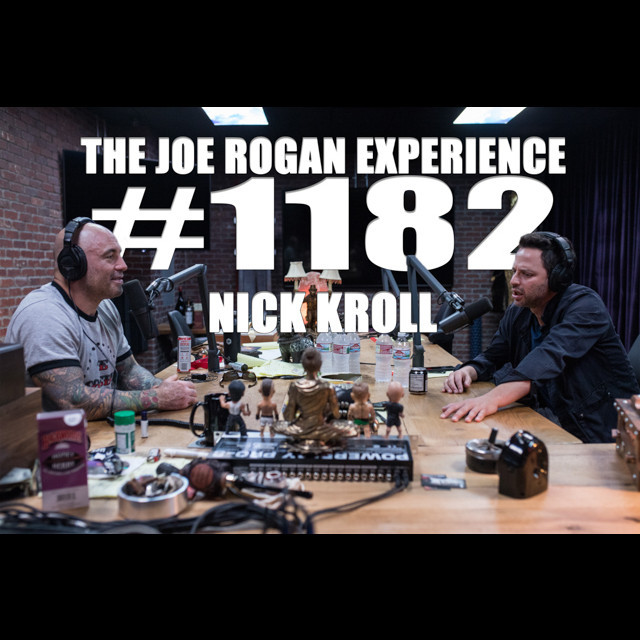
This episode of the Joe Rogan podcast featuring Nick Kroll dives into various engaging and thought-provoking topics, each revealing underlying themes of creativity, technology, social commentary, and the intersection of comedy and culture. Here are the major topics discussed:
1. Technology and Creative Tools
- Kroll and Rogan discuss the intricacies and frustrations of using technology for creativity, particularly focusing on Windows updates and the compatibility of different devices.
- The conversation emphasizes the importance of a good keyboard and the user experience, which significantly impact writers’ productivity.
- There’s a humorous yet serious acknowledgment of how much tech problems can hinder creative workflow.
- The duo reflects on the differences between Apple and Windows ecosystems and their personal preferences for devices.
2. The Evolution of Mobile Devices
- Kroll shares his thoughts on the evolution of mobile phones, discussing the various sizes and functionalities of iPhones over the years.
- They touch on the impacts of smartphone size on usability, particularly regarding texting and everyday handling.
- The conversation leads to reflections on how technology has changed everyday life and personal habits.
- Rogan and Kroll humorously argue about Apple’s monopolistic practices and customer control tactics.
3. The Dark Side of Fame
- The discussion shifts to the challenges and pitfalls of celebrity, including Casey Affleck and the struggles of maintaining a public persona.
- Kroll highlights the dangers of financial exploitation, referencing stories of artists who have been ripped off financially.
- This theme reveals the complexities of navigating the entertainment industry and protecting oneself from deceit.
- The broader implication lies in understanding how fame can lead to exploitation by insiders that are supposed to help.
4. Humor and Dark Topics
- The duo engages in conversations about merging humor with serious societal issues, such as crime and madness.
- Kroll shares anecdotes from his creative process, emphasizing the importance of satire in comedy.
- They explore the fine line between comedic relief and addressing deep-seated issues within society.
- In doing so, they underline the therapeutic nature of laughter in confronting uncomfortable realities.
5. The Nature of Hobbies
- Kroll reflects on various hobbies and how individuals often struggle to find balance between their passions and daily life.
- The conversation touches upon the importance of leisure activities for mental health and maintaining creativity.
- There’s a shared acknowledgment of the pressures of the entertainment industry and the necessity for personal hobbies to remain grounded.
- Kroll mentions his enjoyment of yoga and connects it back to maintaining mental fortitude in his busy life.
6. Concepts of Masculinity and Manipulation
- As they discuss masculinity, Kroll and Rogan reflect on societal expectations and how these can lead to harmful behavior.
- They criticize manipulative tactics that perpetuate certain stereotypes within industry dynamics.
- This conversation is rooted in examining how toxic masculinity manifests in creative processes and relationships.
- Furthermore, there’s an implication of how broader societal values play a role in shaping behaviors around masculinity.
7. Networking in the Comedy World
- Networking is a substantial aspect of the entertainment industry, and Kroll shares insights on building relationships with fellow comedians.
- They discuss how those connections can influence one’s career trajectory and opportunities within the comedy scene.
- There’s a sense of camaraderie and mutual respect that is fundamental to their shared experiences in stand-up comedy.
- The conversation captures the importance of community within comedy, especially when artists champion one another.
8. The Importance of Wellness Routines
- Kroll and Rogan explore the significance of mental and physical wellness routines, touching upon new tropics and their roles in improving cognitive function.
- They exchange thoughts on the impact of nutrition and exercise on creative output, highlighting personal wellness strategies.
- This conversation showcases the understanding that success is deeply tied to health and personal well-being.
- Ultimately, they emphasize the necessity for individuals, especially in high-stress careers like entertainment, to prioritize their health.
9. The Role of Social Media
- They touch on the intersection of social media use and personal branding, exploring its effects on public perception.
- This theme brings forth discussions about authenticity and how social media can act as both a tool for connection and a source of anxiety.
- Rogan and Kroll express the challenge of navigating personal opinions in an increasingly polarized digital space.
- Through this, they reflect on the ways social media has changed public discourse and individual expression.
10. The Dangers of Celebrity Culture
- The podcast critiques the obsession with celebrity culture and its impacts on mental health.
- They discuss the sometimes toxic dynamics between celebrities and the media, as well as fan interactions.
- Kroll articulates the weight of expectation celebrities face and the diversity of experiences within that realm.
- This topic invites reflection on broader societal values regarding fame, fortune, and the true cost of being in the public eye.
11. Reflections on Personal Growth
- Kroll and Rogan share personal anecdotes that signify moments of growth in their lives and careers.
- Through these stories, they reflect on the lessons learned from both successes and failures.
- This theme reveals vulnerability and the never-ending journey of self-discovery in an ever-changing industry.
- Ultimately, it emphasizes the importance of resilience and perseverance in pursuing one’s passion.
12. The Intersection of Art and Activism
- The conversation looks at how artists can engage with activism through their work, highlighting examples from the comedy realm.
- Kroll shares his perspective on using humor as a tool for social commentary and change.
- There’s a discussion on how comedy can effectively address current societal issues while still entertaining audiences.
- This reflects a growing phenomenon of artists using their platforms to amplify important messages.
13. The Business of Entertainment
- As they wrap up, Kroll and Rogan analyze the evolving landscape of the entertainment business, including streaming platforms.
- They discuss how these platforms have changed the way content is created, distributed, and consumed.
- There’s a consideration of what the future may hold for artists in an industry that’s undergoing so much rapid transformation.
- The business dynamics at play become crucial discussions in navigating a creative career.
14. The Future of Big Mouth
- Kroll provides exciting insights into the future of his show, “Big Mouth,” and the creative vision behind it.
- He touches on evolving themes within the show that reflect societal changes and the audience’s expectations.
- This conversation underscores the importance of staying relevant and thoughtful in creative storytelling.
- There’s room for optimism as Kroll shares enthusiasm for future seasons and character development.
15. The Responsibility of Public Figures
- Kroll and Rogan contemplate the responsibilities of public figures in advocating for change and addressing social issues.
- There’s a focus on how celebrities can leverage their influence positively while still maintaining their authenticity.
- This discussion reflects a growing consciousness within entertainment regarding impact and intention.
- The overarching theme is the intricate balance of fame and responsibility, particularly in a digital age.
16. The Importance of Community in Comedy
- The camaraderie among comedians is a central topic, emphasizing the importance of support in the industry.
- Kroll recounts experiences of collaboration that foster a positive atmosphere for creativity.
- This highlights the fact that the collective strength of the comedy community contributes to shared success.
- Ultimately, this serves as a reminder of the vital role of kindness and support among artists.
17. The Concept of Nostalgia in Comedy
- The duo reflects on the role nostalgia plays in comedy, especially regarding their influences growing up.
- Kroll shares how elements from his childhood inform his comedic voice and character development.
- There’s a fascinating exploration into how shared cultural experiences shape humor.
- Ultimately, the nostalgia in comedy serves as a bridge connecting past experiences with present storytelling.
18. Family Dynamics and Their Influence on Art
- Kroll discusses the significant impact of family on his artistic journey and creative outlook.
- The conversation reveals moments where familial relationships intertwine with the themes presented in his work.
- Through personal anecdotes, there’s an exploration of how one’s upbringing drives creative expression.
- This ultimately highlights how art often reflects personal history and familial narratives.
19. The Impact of Reviews and Criticism
- The impact of external validation, such as reviews and audience feedback, is discussed.
- Kroll shares his thoughts on how critics often navigate personal biases in their assessments of creative work.
- There’s a genuine contemplation on how to stay grounded amidst both positive and negative feedback.
- This emphasizes the necessity of resilience in the arts and the importance of self-acceptance.
20. The Role of Laughter in Mental Health
- Finally, Kroll and Rogan touch on the intrinsic link between comedy and mental health, emphasizing laughter as a coping mechanism.
- They explore how humor can act as a vehicle for healing and addressing serious issues.
- This encourages a broader conversation on how comedy serves an essential purpose beyond entertainment.
- Through this exploration, they reaffirm laughter’s powerful impact on personal and collective well-being.
5 Memorable Quotes:
- “Technology can either be your best friend or your worst enemy; it all depends on how you use it.” – Kroll highlights the dual nature of tech in creativity.
- “Creating moments of truth in comedy often means shattering preconceived notions.” – Kroll’s insight into the essence of comedic storytelling.
- “Success in comedy is often about being genuine; audiences can smell inauthenticity from a mile away.” – A reflection on the importance of authenticity in performance.
- “Life is too short to waste on material that doesn’t resonate; humor should always challenge the status quo.” – Kroll captures the spirit of pushing boundaries through comedy.
- “Laughter is a universal language, one that transcends barriers and unites us all.” – Rogan underscores the power of humor in human connection.
“`