8-Oct-18
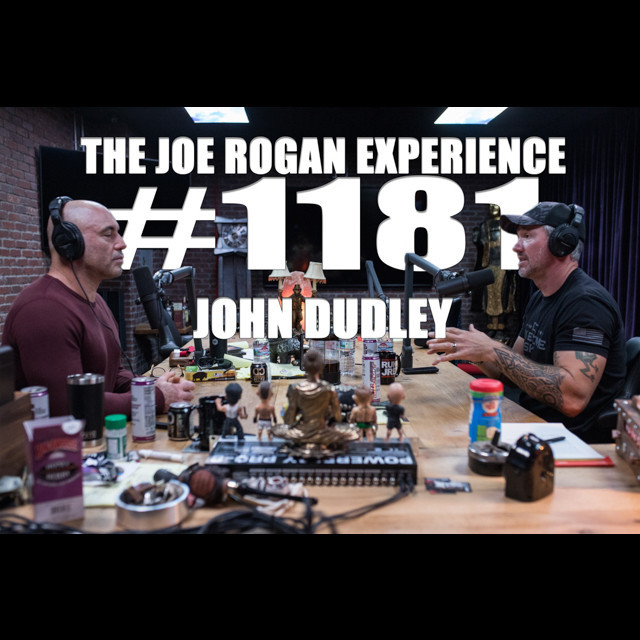
This podcast dives into the world of archery and hunting with John Dudley, a pro archer and host of “Nock On TV”. From intense UFC analysis to the philosophical quandaries of private hunting ranches, the conversation tackles a wide range of topics, highlighting Dudley’s adventurous spirit and insights.
Major Topics & Deep Underlying Themes:
-
UFC 229: Khabib Nurmagomedov vs. Conor McGregor Brawl
- The podcast opens with a discussion of the UFC 229 fight, analyzing the chaotic brawl that erupted after Khabib Nurmagomedov defeated Conor McGregor.
- Rogan and Dudley dissect the tensions leading up to the fight, the crowd dynamics, and the subsequent violence, which spilled into the stands and concession areas.
- They discuss the intense atmosphere and the high percentage of individuals in the crowd who likely possess fighting skills, emphasizing the potential for escalating violence in such environments.
- The discussion explores the specific grappling techniques used by Khabib, highlighting his dominance and Connor McGregor’s lack of preparedness for such a skilled grappler.
-
Khabib’s Wrestling Prowess and the Importance of Training
- The podcast delves into Khabib Nurmagomedov’s background, emphasizing his extraordinary wrestling skills honed from a young age.
- The conversation highlights a video of Khabib wrestling a bear as a child, showcasing his early exposure to intense physical challenges, a stark contrast to modern American childhood experiences.
- Rogan and Dudley discuss the significance of consistent training, comparing it to the demands of elite archery, where missing a single shot can make or break a tournament.
- They explore the role of muscle memory, leverage, and the dedication required to excel in both archery and combat sports, highlighting the similarities in training regimens.
-
The Impact of Steroids and Performance Enhancement in Sports
- The podcast delves into the topic of performance-enhancing drugs, specifically discussing the use of beta-blockers in archery and their effects on heart rate control.
- They explore the history of beta-blocker use in archery, including incidents where athletes were stripped of titles for testing positive.
- The discussion touches upon the ethical dilemmas surrounding performance enhancers in sports, emphasizing the pressure to perform and the potential for cheating in high-stakes competitions.
- Rogan and Dudley acknowledge the gray areas of performance enhancement, especially with substances like alcohol, highlighting the complexity of defining what constitutes fair play in competitive environments.
-
The Thrill and Perils of Rollercoasters
- The conversation veers towards a discussion of rollercoasters, focusing on a recent experience at New York, New York, which Rogan describes as “sketchy” and outdated.
- They touch upon the potential dangers of rollercoasters, referencing recent incidents of derailments and injuries, emphasizing the inherent risks involved.
- The conversation explores the contrasting attitudes towards risk, contrasting Rogan’s willingness to embrace adrenaline-pumping experiences with Dudley’s cautious approach.
- This segment highlights the varying levels of thrill-seeking and risk tolerance among individuals, underscoring the importance of personal choices and understanding of potential dangers.
-
The Controversial Nature of Private Ranches and Exotic Hunting
- The podcast delves into a philosophical debate about the ethics of private ranches and exotic hunting, focusing on the state of Texas as a unique case study.
- Rogan and Dudley discuss the vastness of private ranches in Texas, where animals are confined within fenced-in properties, questioning the legitimacy of “free range” claims.
- They explore the ethical considerations of hunting animals raised in controlled environments, contrasting it with hunting animals in the wild.
- This segment examines the complexities of defining ethical hunting practices, highlighting the varying perspectives within the hunting community and the tensions between conservation and recreational enjoyment.
-
The “Code” of Public Land Hunting and the Debate Over Secret Spots
- The conversation dives into the unspoken “code” surrounding hunting on public land, particularly the practice of keeping secret spots hidden from others.
- Rogan and Dudley debate the merits of this code, questioning whether it undermines the concept of public land being accessible to all.
- They compare this code to similar practices in fishing, acknowledging that while it may stem from a desire to protect hard-earned knowledge, it can also create a sense of exclusivity.
- This segment highlights the clash between individual rights and community access, emphasizing the importance of finding balance and respecting the shared nature of public resources.
-
The Importance of Food Sourcing and Ethical Meat Consumption
- The podcast explores the importance of understanding food sources, highlighting Dudley’s passion for hunting and cooking wild game.
- They discuss the ethical considerations of meat consumption, contrasting hunting and raising animals for slaughter, particularly for those who advocate for “free-range” practices.
- The conversation touches upon the differences in hunting experiences, ranging from intense backcountry hunts to more controlled ranch environments.
- This segment underscores the connection between hunting, cooking, and a deeper understanding of where food comes from, emphasizing the importance of responsible and ethical practices.
-
The Power of Slow Cooking and Wild Game Cuisine
- The conversation revolves around Dudley’s expertise in slow cooking, particularly his signature elk neck recipe, showcasing the transformative power of low-and-slow cooking.
- They discuss the advantages of using pellet grills, highlighting their temperature control and efficiency, as well as the natural wood-fired flavor they impart to food.
- The podcast explores the art of cooking wild game, emphasizing the importance of breaking down tougher cuts and the value of simple ingredients for maximizing flavor.
- This segment celebrates the joys of cooking and sharing food, demonstrating Dudley’s culinary skills and the camaraderie that surrounds shared meals in the wilderness.
-
“Free Range American”: A Brand Promoting Adventure and Community
- The podcast introduces “Free Range American”, a brand co-founded by Dudley and Andy Stump, that celebrates adventurous individuals and outdoor pursuits.
- They discuss the brand’s mission to inspire and empower people to “do awesome shit”, encouraging them to embrace their passions and share their experiences.
- The podcast highlights the upcoming “Do Awesome Shipmobile” project, where they will travel to military bases and cook wild game for service members, promoting clean eating and a sense of community.
- This segment emphasizes the importance of shared experiences, supporting the military, and fostering a culture of adventure and community among outdoor enthusiasts.
5 Memorable Quotes:
- “It’s hard not to see cauliflower ears at a UFC event.” – Rogan highlights the prevalence of fighting skills among the crowd, emphasizing the potential for violence.
- “Bears have a really good guard.” – Dudley, describing Khabib’s wrestling prowess, references the bear wrestling video as a testament to Khabib’s early training.
- “That’s why we imagine if Mendez got to go out and wrestle bears.” – Rogan contrasts Khabib’s early training with American childhood experiences, highlighting the stark differences in cultural norms.
- “You can’t have too many wolves because if you do, you’re gonna have very few of those other animals.” – Rogan underscores the delicate balance of predator-prey relationships in nature, emphasizing the need for responsible wildlife management.
- “If you find it, you gotta just keep it quiet.” – Rogan criticizes the “code” of keeping secret spots on public land, arguing that it undermines the shared nature of public resources.