10-Sep-18
“`html
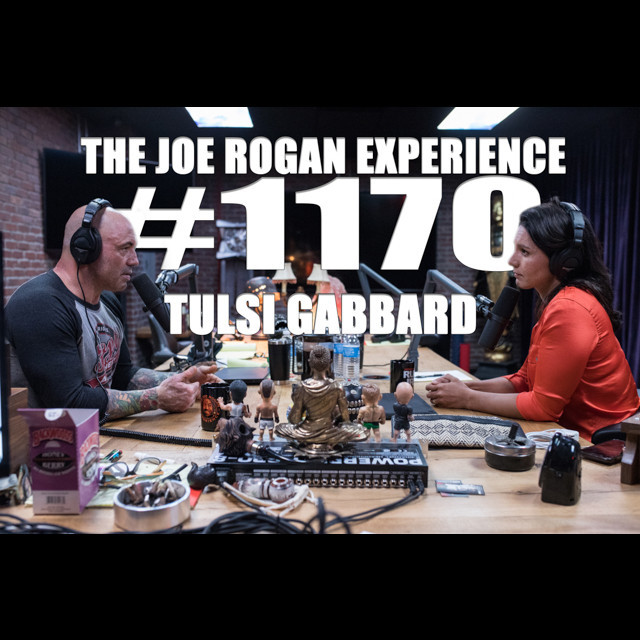
This podcast dives into a conversation with Tulsi Gabbard, an American politician known for her unique perspective on foreign policy and social issues. The discussion touches upon a wide range of topics, from Hawaii’s recent volcanic eruption and the chilling false missile alert to the influence of money in politics, the potential benefits and challenges of universal basic income, and the ongoing debate about the legalization of marijuana. Underlying themes explore the complexities of American politics, the challenges of leadership in a polarized environment, and the need for pragmatic solutions to pressing issues.
Here’s a breakdown of the podcast’s main topics:
1. The False Missile Alert in Hawaii
- A false alarm triggered a statewide alert, warning of an incoming ballistic missile from North Korea, causing widespread panic and fear.
- Gabbard, who was in Washington D.C. at the time, recounted her frantic efforts to verify the information, calling the state’s adjutant general and ultimately confirming the false alarm.
- The incident exposed vulnerabilities in Hawaii’s alert system, highlighting the need for improvements and raising public awareness about the threat posed by North Korea’s growing nuclear capabilities.
- The incident sparked public debate about the potential impact of a real missile attack, underscoring the seriousness of the ongoing tension between the U.S. and North Korea.
2. The Cost of War
- Gabbard, a veteran who served in Iraq, spoke about the human cost of war, both for American troops and for the civilians in countries where the U.S. intervenes.
- She criticized the “cavalier attitude” of some politicians when making decisions about war, advocating for greater accountability and awareness of the consequences of military action.
- Gabbard argued that America’s interventionist policies have often been counterproductive, creating failed states and breeding terrorism.
- The conversation touched upon the complexities of international relations, questioning whether the United States should act as the world’s policeman and the potential consequences of both intervention and inaction.
3. The Influence of Money in Politics
- Gabbard discussed the powerful influence of money in politics, citing examples like the military-industrial complex and the role of lobbyists in shaping legislation.
- She criticized the high cost of running for office and the reliance on large donations from corporate interests and wealthy individuals.
- The conversation highlighted the potential for corruption and the need for campaign finance reform to ensure that ordinary citizens have a voice in the political process.
- Gabbard’s personal experience as a candidate who doesn’t accept corporate PAC money provided a contrasting perspective, demonstrating the potential for grassroots fundraising and challenging the prevailing narrative that politicians must rely on big money.
4. The “Blank Check” to Counter Iran
- Gabbard shared an example of a provision in the defense authorization bill that would have granted the Secretary of State and the Secretary of Defense the power to create and implement a strategy to counter Iran without congressional oversight or debate.
- She expressed concern about the potential for this provision to lead to an undeclared war with Iran, emphasizing the need for caution and strategic thinking in dealing with international tensions.
- The discussion touched upon the history of U.S.-Iran relations and the potential consequences of a conflict between the two nations.
- Gabbard’s amendment to remove the provision was overwhelmingly defeated, highlighting the political realities and potential consequences of a divided Congress.
5. The Rise of Alternative Media
- Gabbard acknowledged the growing influence of alternative media outlets, arguing that they are providing access to information and perspectives that are often absent from mainstream media.
- She discussed the importance of critical thinking and the need for a diverse range of voices in the public sphere.
- The conversation touched upon the role of social media in shaping public opinion and the potential for manipulation by foreign actors.
- Gabbard’s perspective offered a glimpse into the changing media landscape and the challenges of discerning truth and navigating a complex information environment.
6. The Russian Interference in the 2016 Election
- Gabbard discussed the ongoing investigation into Russian interference in the 2016 election, acknowledging the seriousness of the issue and the need for a thorough investigation.
- She also pointed to the hypocrisy of the United States condemning Russian interference while acknowledging that the U.S. has historically engaged in similar activities in other countries.
- The conversation explored the motivations behind Russian interference, the potential impact on American democracy, and the ongoing debate about the role of foreign actors in domestic politics.
- Gabbard’s perspective offered a nuanced understanding of the issue, acknowledging the seriousness of the situation while highlighting the need for a broader understanding of the complexities of international relations.
7. The Democratic National Committee’s (DNC) Superdelegate System
- Gabbard recounted her personal experience with the DNC’s superdelegate system during the 2016 presidential election, highlighting how it allowed superdelegates to vote against the will of their constituents.
- She argued that the system undermines democracy and gives undue influence to party elites.
- The discussion touched upon the ongoing debate within the Democratic party about the future of the superdelegate system and the need for reforms to ensure that the party’s presidential nominee reflects the will of the people.
- Gabbard’s perspective provided a firsthand account of the system’s flaws and the potential consequences for the democratic process.
8. The Potential of Universal Basic Income
- Gabbard discussed the growing debate about universal basic income as a potential solution to the economic challenges posed by automation and technological change.
- She acknowledged the potential benefits, such as providing a safety net for workers displaced by automation and freeing people to pursue their passions.
- Gabbard also explored the potential drawbacks, such as disincentivizing work and creating unintended consequences.
- The conversation examined the complexities of implementing a universal basic income system and the need for careful consideration of both potential benefits and risks.
9. The Need for Reform in the Criminal Justice System
- Gabbard discussed the need for comprehensive criminal justice reform, advocating for changes to sentencing laws, prison reform, and policies related to marijuana legalization.
- She highlighted the role of private prisons in creating a system that profits from incarceration, arguing that this creates a perverse incentive that undermines efforts to rehabilitate offenders.
- The conversation touched upon the ongoing debate about mass incarceration, the war on drugs, and the need for a more humane and effective criminal justice system.
- Gabbard’s perspective offered a critical examination of the current system and the need for reform to ensure that it is fair, effective, and just.
10. The Future of Healthcare
- Gabbard discussed the high cost of healthcare in the United States, advocating for reforms to make healthcare more affordable and accessible.
- She highlighted the need for preventive medicine, particularly in the area of nutrition, arguing that doctors should receive more training in this area to help prevent chronic diseases.
- The conversation touched upon the role of technology in improving healthcare delivery and lowering costs, citing examples like telemedicine and paramedicine.
- Gabbard’s perspective offered a critical examination of the current healthcare system and the need for innovative solutions to address its challenges.
11. The Legalization of Marijuana
- Gabbard discussed the ongoing movement to legalize marijuana, highlighting the potential benefits in terms of reducing crime, generating tax revenue, and providing access to medical marijuana for patients with chronic illnesses.
- She cited examples of states that have legalized marijuana, emphasizing the positive outcomes they have experienced.
- Gabbard also addressed the hypocrisy of the federal government’s continued prohibition of marijuana, arguing that it is based on outdated and discriminatory policies.
- The conversation touched upon the potential economic and social benefits of legalization, as well as the need for a more evidence-based approach to drug policy.
12. The Importance of Aloha
- Gabbard emphasized the importance of “aloha” – a Hawaiian concept that embodies love, compassion, and respect – as a guiding principle for political discourse and decision-making.
- She argued that political polarization and hyperpartisanship hinder progress and create a climate of hostility that is detrimental to the country.
- The conversation explored the need for greater civility and understanding in politics, emphasizing the importance of finding common ground and working together to solve problems.
- Gabbard’s perspective offered a refreshing alternative to the often divisive rhetoric of American politics, advocating for a more inclusive and compassionate approach to leadership.
These are just a few of the many topics discussed in this insightful and engaging podcast. Tulsi Gabbard’s candid and thoughtful insights offer a valuable perspective on the challenges facing the United States and the need for leadership that is grounded in principle and pragmatism.
5 Memorable Quotes:
- “I think it really woke people up. There were clear vulnerabilities in our state alert system that would even allow this like, allow one person to have that power to do that is not is obviously not good.” – Gabbard reflecting on the impact of the false missile alert in Hawaii and the need to strengthen security protocols.
- “And I think that while maybe easy to write him off as a maniac, there has also been a very consistent there there there has been a consistency throughout the different regimes of the Kim family. As they’ve developed this nuclear and nuclear missile capability in that they are doing it to protect themselves against regime change war, essentially.” – Gabbard offering a nuanced understanding of North Korea’s motivations and the potential risks associated with their nuclear program.
- “It’s almost like we don’t learn from our mistakes. And and I don’t know what the the proper solution is. I mean, do you keep someone like Saddam Hussein or someone like Muammar Gaddafi. Do you keep them in power? And let them still be horrific dictators in evil maniacs. Or do you step in and cause more damage? I mean, it’s it’s almost a lose lose situation.” – Gabbard grappling with the complexities of foreign policy and the challenging decisions faced by world leaders.
- “When you see people that have cancer, that can’t eat, and they’re going through chemotherapy, and you you realize that there’s maybe one of the only things you can give someone that given their appetite back. When you see children that have severe autism, and one of the only things that can stop their seizures is medical marijuana. Mhmm. Do you realize there’s so many different things that we could help people with it’s not just about getting high.” – Gabbard emphasizing the medical benefits of marijuana and advocating for its legalization to help patients in need.
- “And I think that the conversation that I I hope more people start having is about how why aren’t these things being fixed or addressed? And that that speaks directly to people’s unwillingness to actually talk to each other to stop demonizing each other because you’re from the other camp and actually engage based on our common mission of serving the people. Serving the people of this country.” – Gabbard highlighting the need for a more collaborative and less polarized political environment to effectively address the challenges facing the United States.
“`