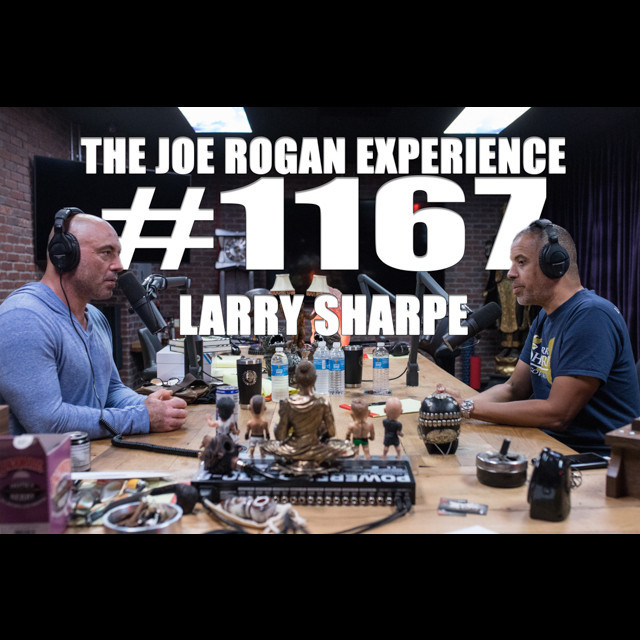
5-Sep-18
This podcast delves into the political landscape of New York State with Larry Sharpe, a Libertarian candidate for Governor. Sharpe’s unconventional approach focuses on reducing government intervention, promoting individual freedom, and addressing systemic issues like education and corruption. The podcast highlights Sharpe’s bold and controversial ideas, challenging the status quo and sparking discussions about the role of government and the future of New York.
Sharpe’s campaign centers around the idea of “a new New York,” pushing for a radical shift away from the current political establishment and its policies. Provocative topics include the need for a complete overhaul of the education system, the dangers of centralized control, and the potential for economic growth through a more libertarian approach to business and regulation.
Sharpe’s approach is rooted in libertarian principles, advocating for individual responsibility, free markets, and limited government intervention. The podcast reveals how these principles translate into specific proposals aimed at improving education, tackling corruption, and fostering economic prosperity.
Underlying themes in the podcast explore the complexities of political change, the role of individual choice in shaping society, and the potential for innovative solutions to long-standing societal problems.
Major Topics
| Topic | 4 Point Summary | |||
| Voter Apathy and the Importance of Hope | Sharpe argues that voter apathy is a key factor in the dominance of the two-party system. | He believes that inspiring hope and giving people a reason to vote is crucial to break the cycle. | He compares Bernie Sanders and Donald Trump’s success to their ability to offer hope to their respective bases. | Sharpe positions himself as a candidate of hope, offering an alternative to the establishment. |
| Gun Violence and Psychotropic Drugs | Sharpe connects gun violence, particularly mass shootings, to loneliness, lack of purpose, and psychotropic drug use. | He asserts that focusing on these underlying issues is more effective than gun control measures. | He proposes allowing teachers and administrators to carry guns in schools to disrupt the predictability and “soft target” aspect of school shootings. | Sharpe’s approach is controversial, challenging the prevailing narratives around gun control and mental health. |
| The Failure of the Current Education System | Sharpe argues that the current education system is broken, failing to prepare students for success and leaving many disillusioned. | He criticizes standardized testing, the structure of K-12 education, and the excessive reliance on administrators. | Sharpe proposes a radical overhaul, including eliminating standardized testing until high school, replacing the final two years of high school with specialized programs, and giving students a voucher system to choose their own educational path. | He envisions a system that empowers students, prioritizes individual needs, and allows for diverse learning pathways. |
| The Need for Transparency and Accountability in Government | Sharpe emphasizes the importance of transparency and accountability in government, arguing that they are crucial for combating corruption and fostering innovation. | He proposes reducing government funding, eliminating unnecessary boards and commissions, and decentralizing decision-making power to local communities. | Sharpe advocates for a flat fee funding model for school districts, allowing them greater autonomy and flexibility. | He believes that these reforms will empower communities and incentivize efficiency and innovation. |
| The Importance of Small Businesses and Deregulation | Sharpe argues that New York State’s overly burdensome regulations stifle small businesses and hinder economic growth. | He advocates for deregulation, eliminating unnecessary licenses and creating a more business-friendly environment. | Sharpe proposes a “local only” exemption for small businesses, allowing them to operate without federal interference. | He believes that empowering small businesses will create jobs, stimulate innovation, and boost the local economy. |
| The Need for a More Libertarian Approach to Hemp and Cannabis | Sharpe advocates for the complete legalization and deregulation of hemp and cannabis, comparing them to onions. | He argues that this would benefit farmers, create new industries, and provide a safe and effective alternative for those seeking pain relief. | Sharpe believes that current regulations are stifling innovation and disproportionately benefiting large corporations. | His stance on cannabis legalization reflects his commitment to individual freedom and limited government intervention. |
| The Importance of a Third Party in New York Politics | Sharpe believes that a strong third party presence is essential for challenging the status quo and forcing the two major parties to be more accountable. | He highlights the lack of meaningful change offered by the Democrats and Republicans and sees himself as a viable alternative. | Sharpe believes that his candidacy could inspire others to run as Libertarians, creating a more diverse and competitive political landscape. | He sees his campaign as a catalyst for a larger shift in American politics, away from the two-party system. |
| The Rise of Democratic Socialism and the Illusion of Change | Sharpe criticizes the appeal of Democratic Socialism, arguing that it offers a false promise of change while ultimately leading to a two-tiered system. | He compares Democratic Socialism to the VA healthcare system, highlighting its inefficiencies and limitations. | Sharpe believes that corruption and cronyism are the root causes of income inequality, not the free market. | He argues that empowering individuals through deregulation and limited government intervention is the best way to address these issues. |
| The Failure of the Current Healthcare System and the Need for Transparency | Sharpe believes that the current healthcare system is broken, characterized by lack of transparency, high costs, and a focus on procedures over patient well-being. | He criticizes the reliance on insurance companies and the opaque billing practices that make healthcare costs incomprehensible. | Sharpe proposes a model of transparency, where patients have access to clear pricing and doctors are incentivized to focus on preventative care and overall wellness. | He envisions a system that empowers patients to make informed decisions about their healthcare and reduces the cost of medical services. |
| The Potential for Innovation and Change | Sharpe emphasizes the potential for innovation and change if the right conditions are created. | He cites the example of Google’s 20% time program, where employees were given the freedom to pursue innovative projects, showcasing the power of empowerment. | Sharpe believes that by empowering teachers, students, and communities with greater autonomy and resources, the education system can become more innovative and effective. | He believes that a more libertarian approach to government can unleash the creative potential of individuals and businesses, leading to a more vibrant and prosperous society. |
| The Importance of Taking Action and Embracing Change | Sharpe acknowledges that his proposals are radical and will be met with resistance, but he emphasizes the need for action. | He argues that the current system is failing and that incremental changes are not enough to address the deep-rooted problems. | Sharpe challenges listeners to embrace change and to support alternative approaches to government and policy. | He presents himself as a leader who is willing to take bold steps to address the challenges facing New York State. |
Memorable Quotes
- “If those people vote, you win. I win. Yeah. There’s an untapped resource of unmotivated people who are too fucked.” – Sharpe emphasizes the potential for change if apathetic voters are motivated.
- “What’s killing these kids? It’s not firearms. The key thing here is what’s killing these kids. Lack of community, lack of purpose, and loneliness.” – Sharpe challenges the focus on gun control, suggesting that addressing underlying social issues is more effective.
- “We keep clipping branches. The weeds keep growing. Now we got way off track with this school shooting thing.” – Sharpe uses an analogy to highlight the inadequacy of addressing symptoms without addressing the root causes of societal problems.
- “If you’re happy with that system, awesome, vote Cuomo. You’ll get it. You’ll keep it. No worries. But if you actually want change, if you’re unhappy with the system, you gotta change it.” – Sharpe presents a clear choice between maintaining the status quo and embracing radical change.
- “The bold ideas are still out there. What you heard, what your audience heard, is still there. Someone’s gonna pick this up. Someone’s gonna talk about it.” – Sharpe expresses confidence that his ideas, even if not initially successful, will have a lasting impact.