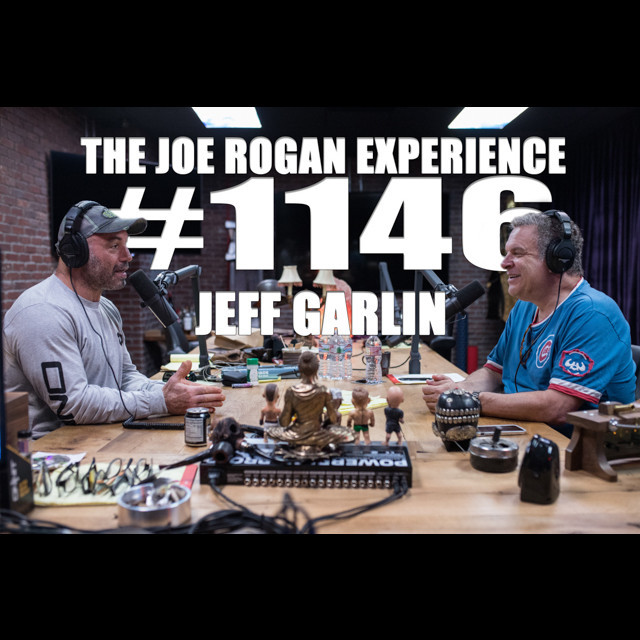
25-Jul-18
This podcast delves deep into the life and comedic mind of Jeff Garlin, a prominent comedian, actor, producer, director, and writer. Topics range from the mundane to the provocative, revealing a unique perspective on stand-up, success, and the human experience. Garlin’s insights on the entertainment industry, his relationship with fame, and his personal philosophies on life and happiness offer a captivating journey.
Major Topics in the Podcast:
-
Stand-Up Comedy:
- Garlin’s unique style of stand-up: Loose, unrehearsed, and confident. He relies on his natural comedic abilities and a knack for spontaneous storytelling, often drawing inspiration from music.
- The importance of being funny and the confidence that comes with it. Garlin believes that no matter what happens on stage, his humor will shine through.
- His aversion to extensive road tours, preferring the comfort of home and the occasional stand-up gig. He finds the only joy in traveling to be the moments on stage, which are essential to his stand-up routine.
- Garlin emphasizes the importance of stage time and consistent practice, even suggesting attending open mic nights at less popular venues to hone comedic skills and learn from failures.
-
Mental Wellbeing:
- Garlin shares his psychiatrist’s advice on prioritizing a consistent bedtime to improve mental function and well-being, a unique approach to sleep hygiene.
- He discusses his introverted nature and preference for staying home, finding comfort in solitude and activities like napping, meditation, and listening to music.
- Garlin’s perspective on the importance of creating boundaries to maintain mental balance, exemplified by his decision to avoid Jeff Ross’s parties, a social environment he finds overwhelming.
- He emphasizes the importance of finding a good balance in life, incorporating regular exercise and a healthy diet alongside his comedic pursuits.
-
The Nature of Fame:
- Garlin’s experiences with fame, particularly his encounter with Tony Danza at valet parking, highlight the peculiar sensation of wanting to engage with someone solely due to their celebrity status.
- He discusses how fame can make it difficult to navigate social interactions, particularly with people who are not genuinely interested in him but instead seeking validation or a response.
- He emphasizes the importance of setting boundaries with fans and maintaining personal space, even when it means walking away from uncomfortable interactions. Garlin shares his approach to dealing with paparazzi and the media, opting for silence to avoid feeding into their narratives.
- Garlin’s perspective on fame centers on finding a balance between the desire to be kind and thoughtful while recognizing that not all interactions are worth engaging in, particularly when faced with negativity or disrespect.
-
Comedy and the Entertainment Industry:
- Garlin’s insights into the stand-up scene, particularly at the Comedy Store, highlight the evolving dynamics and sometimes competitive nature of the industry.
- He reflects on the changing landscape of comedy, noting a shift from a sense of camaraderie to a more individualistic approach, with less emphasis on supporting fellow comedians.
- Garlin’s perspective on the distinction between actors and comedians, suggesting that actors can be successful without genuine comedic talent, while true comedians possess a deeper passion and commitment to the craft.
- He shares his opinions on the over-reliance on comedic tropes and formulaic approaches in contemporary TV comedy, highlighting the importance of authenticity and natural humor, particularly in improvised situations like those found on Curb Your Enthusiasm.
-
Social and Political Commentary:
- Garlin expresses his views on social media and its role in shaping public discourse, particularly the tendency for individuals to feel compelled to comment on every issue, often with little substance.
- He critiques virtue signaling and its role in reinforcing societal narratives, questioning the effectiveness of mere pronouncements without real action or meaningful change.
- Garlin’s stance on controversial figures like Louis CK and Roseanne Barr emphasizes the need for empathy and support rather than public condemnation, acknowledging the complexities of human behavior and the potential for growth and rehabilitation.
- He highlights the importance of authenticity and self-awareness in dealing with social and political issues, suggesting that genuine empathy and support can be more effective than public grandstanding.
-
Personal Philosophy and Life Lessons:
- Garlin’s concept of “relevancy” as a driving force in aging, emphasizing the importance of ongoing contribution to one’s art and the world. He admires figures like Mick Jagger and George Carlin for their sustained relevance and commitment to their craft.
- He advocates for the importance of self-acceptance and recognizing one’s ego without letting it control actions or decisions. Garlin believes in maintaining humility even amidst success.
- His perspective on the transformative power of fatherhood emphasizes the unconditional love and connection that transcends any preconceived notions or expectations.
- Garlin’s final message reinforces the importance of finding joy and meaning in life, whether it’s through pursuing one’s passion, maintaining personal boundaries, or simply appreciating the moments with loved ones.
Memorable Quotes
- “I’m only confident in the fact that I’m funny. I am not confident in any other fact in terms of going on stage.”
- “I’ve never gone to a psychiatrist, but I’m the only person on the set that didn’t go to a psychiatrist. I’m like, maybe I’m fucked up. But if you’re functioning in the world, that’s great. Congratulations.”
- “You love the nursing industry. I just said, if you’re like, you know what you love? You love the nursing industry.”
- “The art index, you’re more great. If I’m auditioning and you’re auditioning, go beat me in the room. I don’t give a crap, but there’s such a competitiveness.”
- “The biggest fights with my wife I look back over the years are when we either went to the principal, we went to have the meeting, we went to the open house. Something I said. I never I never left their unscathed.”