26-Jun-18
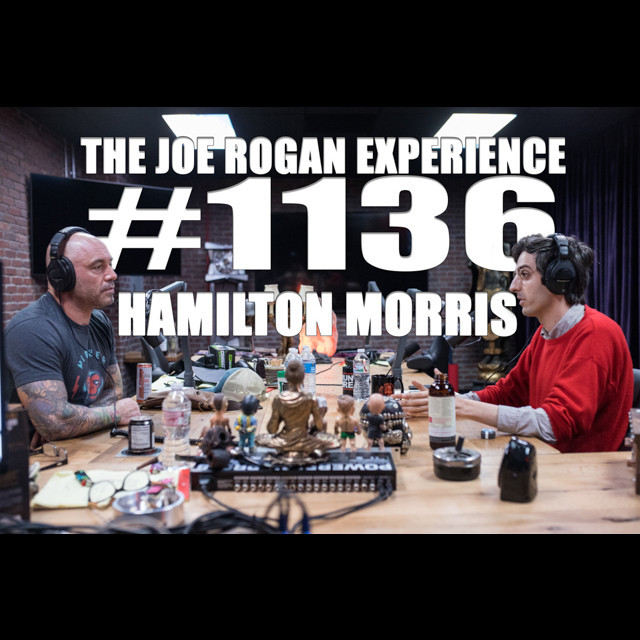
#1136 – Hamilton Morris
Hamilton Morris is a writer, documentarian, psychonaut, and scientific researcher. His show “Hamilton’s Pharmacopeia” is available on VICELAND. This episode of the Joe Rogan Experience delves deep into the complex world of drugs, exploring their use, effects, history, and societal perceptions. The conversation touches on controversial topics like drug legalization, the war on drugs, and the dangers of sensationalized media coverage. Underlying themes revolve around individual liberty, the fallibility of pharmacological determinism, and the importance of embracing a nuanced understanding of both the benefits and risks associated with various substances.
1. The Dangers of Oversimplifying Drugs:
- Challenges the notion that drugs are inherently bad or good, highlighting the context-dependent nature of their effects.
- Emphasizes the need for a balanced understanding, acknowledging both potential benefits and risks, while rejecting the idea of pharmacological determinism.
- Utilizes examples like caffeine overdoses and water-related fatalities to illustrate the inherent dangers in any activity, urging a shift from focusing solely on safety.
- Advocates for cognitive liberty, arguing that adults should have the freedom to engage in risky activities if they choose, and that society should focus on education and awareness rather than prohibition.
2. The Opioid Crisis and Kratom:
- Discusses the complexities of the opioid crisis, challenging the simplistic narrative of pharmaceutical companies as the sole culprit.
- Highlights the historical awareness of morphine’s addictive properties and the absurdity of blaming doctors for being misled by research that misrepresented the addictive potential of OxyContin.
- Brings attention to Kratom as a potential tool for reducing opioid dependence, emphasizing its therapeutic benefits while acknowledging its potential risks.
- Criticizes the move to criminalize Kratom, arguing that it could hinder efforts to address the opioid crisis and prevent individuals from accessing a potentially beneficial substance.
3. The Failure of Prohibition:
- Argues that the war on drugs is a failed experiment, citing the example of alcohol prohibition in the US.
- Highlights the negative consequences of prohibition, including increased crime, the rise of black markets, and the erosion of public trust in law enforcement.
- Emphasizes the importance of learning from past mistakes, warning against repeating the same failed policies with different drugs.
- Advocates for a shift in focus from prohibition to harm reduction, education, and responsible use.
4. The Rise of Drug Legalization:
- Explores the role of capitalism in driving drug legalization, arguing that financial incentives and business interests have more influence than social activism.
- Points to the success of cannabis legalization, highlighting the shift in perception from a counter-cultural drug to a commercially viable product.
- Predicts a similar trend for psychedelics, arguing that their potential as therapeutic tools will attract investment and drive changes in legislation.
- Expresses concern about the potential for corporate exploitation and the marginalization of those who fought for legalization before its commercialization.
5. The Therapeutic Potential of Psychedelics:
- Discusses the ongoing psychedelic renaissance, highlighting the growing interest in using psychedelics for therapeutic purposes, particularly in treating depression, PTSD, and addiction.
- Explores the historical use of psychedelics and other drugs in facilitated psychotherapy, suggesting a return to drug-assisted therapy as a potential benefit.
- Criticizes the scheduling of psychedelics as Schedule 1 drugs, arguing that it hinders research and prevents individuals from accessing potentially beneficial substances.
- Emphasizes the potential for psychedelics to provide individuals with new perspectives and promote personal growth, particularly in breaking free from ingrained negative thought patterns.
6. The Misinformation Epidemic:
- Highlights the role of sensationalized media coverage in shaping public perception of drugs.
- Criticizes journalists for perpetuating fear-mongering and contributing to the demonization of certain substances.
- Argues that journalists are responsible for carefully considering the potential consequences of their reporting, particularly when it comes to drug policy.
- Emphasizes the need for balanced and factual reporting that avoids sensationalism and promotes a nuanced understanding of drugs.
7. The Power of Perception:
- Explores the influence of personal beliefs and social context on drug experiences, arguing that the way we perceive drugs can shape their effects.
- Suggests that negative perceptions of drugs, often rooted in social stigma and propaganda, can contribute to negative experiences and exacerbate anxieties.
- Argues that embracing a more positive and open-minded approach to drugs can enhance their benefits and minimize their risks.
- Illustrates this concept with the example of cannabis, where individuals who perceive it as harmful may experience negative effects, while those who view it positively may enjoy more beneficial experiences.
8. The Concept of “Bad Trips”:
- Challenges the concept of “bad trips,” arguing that negative experiences are a natural part of life and can be beneficial learning opportunities.
- Compares “bad trips” to other negative experiences, like a bad meal or a bad relationship, suggesting that they do not inherently invalidate the value of the overall activity.
- Emphasizes the importance of approaching psychedelic experiences with a mindset of learning and growth, suggesting that even difficult experiences can lead to valuable insights.
- Argues that confronting fear, even in the context of a challenging psychedelic experience, can lead to significant personal growth and resilience.
9. The Role of Education:
- Emphasizes the crucial role of education in mitigating the negative consequences of drug use.
- Highlights the importance of real-life experiences and personal anecdotes, alongside factual information, in shaping informed decision-making.
- Argues that education should focus on providing a balanced understanding of drugs, including their potential benefits, risks, and historical context.
- Stresses the need for open and honest conversations about drugs, promoting responsible use and reducing the stigma surrounding drug use and addiction.
10. The Importance of Individual Experience:
- Challenges the idea of universally accepted drug experiences, emphasizing that individual responses to substances can vary greatly.
- Highlights the importance of personal experimentation and the need to approach drugs with an open mind and a willingness to discover individual effects.
- Emphasizes that personal experiences, even if they contradict common perceptions, are valuable sources of information and can contribute to a more nuanced understanding of drugs.
- Encourages individuals to be skeptical of generalizations and to embrace the complexity of individual experiences with drugs.
11. The Role of Media in Shaping Drug Policy:
- Explores the profound influence of media narratives on drug policy, arguing that sensationalized reporting can have significant consequences.
- Highlights the power of fear-mongering in shaping public opinion and influencing government policy.
- Urges for greater responsibility and awareness among journalists, emphasizing the need for balanced reporting that accurately reflects the complexities of drug use.
- Stresses the potential for misinformation to hinder research, limit access to beneficial substances, and perpetuate harmful stereotypes.
12. The Complexities of Addiction:
- Challenges the simplistic notion that addiction is solely determined by the drug itself.
- Highlights the role of individual factors, including genetics, environment, and personal history, in determining susceptibility to addiction.
- Explores the potential for drugs to exacerbate existing vulnerabilities but emphasizes that they do not necessarily cause addiction.
- Advocates for a more holistic approach to addiction treatment that addresses underlying mental health issues and social factors.
13. The Dangers of Overgeneralization:
- Warns against overgeneralizing about drug users and their motivations.
- Emphasizes the importance of recognizing individual differences and avoiding harmful stereotypes.
- Urges for compassion and understanding when approaching individuals with substance use issues.
- Highlights the dangers of assigning blame and perpetuating harmful narratives that undermine efforts to address drug-related issues.
14. The Role of Societal Attitudes:
- Discusses the societal stigma surrounding drug use and the negative consequences it can have on individuals and communities.
- Challenges the notion of sobriety as a virtue, arguing that it should be viewed as a personal choice rather than a moral obligation.
- Highlights the prevalence of drug use across various cultures and the need for a more nuanced and accepting approach.
- Encourages a shift in focus from judging individuals for their choices to promoting a culture of understanding, compassion, and harm reduction.
15. The Importance of Open Dialogue:
- Emphasizes the need for open and honest conversations about drugs, free from judgment and stigma.
- Advocates for long-form dialogues, like podcasts, that allow for nuanced discussion and the exploration of different perspectives.
- Criticizes the limitations of traditional media formats, such as talk shows and panel discussions, for their superficiality and focus on sound bites.
- Urges individuals to engage in meaningful conversations about drugs, fostering understanding and challenging harmful assumptions.
16. The Value of Nuanced Understanding:
- Emphasizes the importance of embracing complexity and avoiding simplistic binary thinking when discussing drugs.
- Highlights the need for a balanced understanding of both the benefits and risks of various substances.
- Encourages individuals to be skeptical of easy answers and to seek out multiple perspectives.
- Advocates for a more holistic approach to understanding drugs that considers both their chemical properties and their social and cultural contexts.
17. The Potential for Psychedelic Therapy:
- Discusses the potential for psychedelics to be utilized in a therapeutic setting, with the guidance of trained professionals.
- Explores the concept of “set and setting,” emphasizing the importance of creating a safe and supportive environment for psychedelic experiences.
- Highlights the need for a more comprehensive approach to psychedelic therapy that integrates psychotherapy with the use of psychedelics.
- Argues that properly guided psychedelic experiences can have profound benefits for mental health, personal growth, and spiritual exploration.
18. The Unforeseen Consequences of Drug Use:
- Explores the potential for unexpected and unintended consequences of drug use, highlighting the complexity of human physiology and behavior.
- Discusses examples like cannabis hyperemesis syndrome and the emergence of synthetic cannabinoids, demonstrating the need for ongoing research and vigilance.
- Argues that even seemingly benign substances can have unexpected effects, emphasizing the importance of caution and a willingness to learn from emerging data.
- Highlights the need for open and honest conversations about the potential risks and benefits of drugs, fostering a culture of informed decision-making.
19. The Power of Individual Choice:
- Emphasizes the importance of individual autonomy and the right to make choices about one’s own body and mind.
- Challenges the paternalistic approach to drug policy that seeks to control and regulate individual behavior.
- Advocates for a shift in focus from dictating choices to empowering individuals with information and resources.
- Argues that a more libertarian approach to drug policy can lead to greater personal freedom, responsibility, and harm reduction.
20. The Importance of Open-Mindedness:
- Encourages a willingness to explore new ideas and challenge assumptions about drugs.
- Highlights the need to approach discussions about drugs with an open mind and a willingness to learn.
- Argues that intellectual curiosity and a pursuit of truth are essential for a more informed and compassionate approach to drug-related issues.
- Emphasizes that embracing open-mindedness can lead to a deeper understanding of both the benefits and risks of various substances.
Memorable Quotes:
- “Drugs have never hurt anyone. They’re just inanimate constellations of carbon and hydrogen, nitrogen and oxygen. They don’t jump out of their bags and vials and attack your serotonin receptors or dopamine transporter or anything like that.”
- “It’s not about what’s safe and what’s dangerous. It’s about what people like to use, what’s enjoyable.”
- “I think the best stance in all of this is to not speak ill of drugs, of any drug. The drugs are great.”
- “I think that the real problem with that is education. That’s the real problem with that. I was extremely fortunate in in a weird way to see someone with a cocaine addiction when I was in high school, who’s a good friend’s cousin who got really fucked up on cocaine.”
- “I just want to be very careful about, you know, do these things play a role in human behavior? Of course, they do. But do they determine human behavior? No.”