5/9/2018
“`html
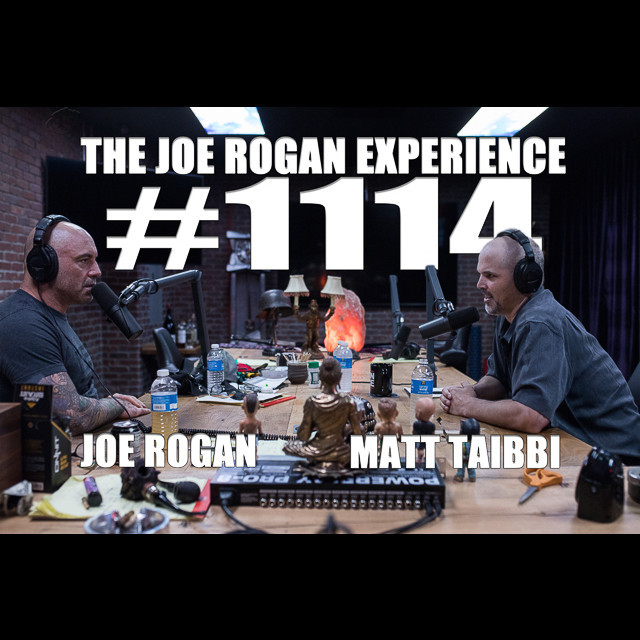
Joe Rogan Podcast #1114 – Matt Taibbi Topics
This podcast dives deep into the world of drug dealing with Matt Taibbi, a journalist known for his insightful and often provocative writing. It explores the business side of illegal substances, delves into the psychology of a successful drug dealer, and touches upon the political landscape of America, highlighting the controversial and sometimes dangerous aspects of Trump’s presidency. Underlying themes explore the blurry lines between fact and fiction in the age of the internet, the pervasiveness of illicit activities in American society, and the complexities of our political and economic systems.
1. “Business Secrets of Drug Dealing” – A New Kind of Memoir
- Taibbi co-authored a book with an anonymous high-level drug dealer, providing a unique inside look at the world of illicit substances.
- The book chronicles the dealer’s life, from selling mushrooms to college students to navigating the legal marijuana industry.
- It reveals the intricate rules and strategies used by drug dealers to avoid getting caught, offering fascinating insights into the world of crime.
- The book is presented in a narrative format, drawing on the dealer’s experiences and insights to create a compelling and engaging story.
2. The Trump Administration’s Approach to Drugs and Immigration
- Taibbi critiques Jeff Sessions’ harsh stance on marijuana, highlighting the hypocrisy of the former Attorney General’s views.
- He expresses disgust and concern over Trump’s policies on immigration, particularly the separation of families at the border.
- Taibbi believes Trump’s rhetoric on immigration is driven by a desire to be cruel and vindictive, rather than by any coherent policy objectives.
- The conversation explores the changing landscape of drug policy, highlighting the growing acceptance of marijuana legalization and the conflicting views on opioids.
3. Donald Trump’s Mental State and Use of Diet Pills
- Taibbi discusses the speculation surrounding Trump’s use of diet pills and other stimulants, suggesting that his behavior and energy levels may be influenced by medication.
- He highlights Trump’s short attention span, tendency to change positions frequently, and reliance on emotional rhetoric as evidence of potential pharmaceutical intervention.
- The conversation draws comparisons to past presidents, like John F. Kennedy, who were rumored to have used stimulants, raising concerns about the potential risks of pharmaceutical influence on leadership.
- Taibbi explores the broader implications of a pharmaceutically altered president, questioning whether Trump’s policies and actions are influenced by his mental state.
4. The Evolution of the Media and the Rise of “Fake News”
- Taibbi discusses the changing landscape of journalism, emphasizing the decline of long-form investigative reporting and the rise of clickbait journalism.
- He blames Google’s “first click rule” for training audiences to expect free content, leading to a decline in paid subscriptions and the financial instability of news organizations.
- The podcast delves into the role of algorithms in shaping news consumption, highlighting how personalized content feeds can create echo chambers and reinforce biases.
- Taibbi questions the meaning of “fake news” in the digital age, arguing that it can be used to discredit legitimate reporting and silence opposing viewpoints.
5. The Impact of the Internet on Culture and Society
- The conversation explores the changing expectations of audiences, who now expect free content due to the abundance available online.
- Taibbi discusses the potential negative effects of constant exposure to clickbait and online sensations, arguing that it can impair critical thinking and mental focus.
- He acknowledges the positive aspects of the internet, such as increased access to information and the ability for individuals to reach a wider audience.
- Taibbi highlights the rise of internet celebrities like Lil Tay, questioning the implications of viral fame and the changing values of society.
6. Trump’s Presidency: A Turning Point in American History
- Taibbi discusses the impact of Trump’s election, arguing that it represents a break from traditional political norms and power structures.
- He highlights Trump’s ability to bypass established political institutions, appealing directly to the electorate and exploiting the power of social media.
- Taibbi questions the implications of a president who embodies the “dumber side” of American society, raising concerns about the future of democracy and the stability of our political system.
- The podcast explores the parallels between Trump’s presidency and the movie “Idiocracy,” suggesting that we may be entering an era of declining intelligence and increasing societal chaos.
7. The Perils of Political Popularity Contests
- Taibbi argues that the current political system, which relies heavily on popularity contests, is inadequate for selecting capable leaders, especially in a world of complex challenges.
- He critiques the dominance of money in politics, arguing that it disenfranchises those without financial resources and prioritizes special interests over the needs of the people.
- Taibbi suggests that a more robust and transparent process is needed for selecting leaders, one that prioritizes qualifications, experience, and ethical conduct over simple popularity.
- He highlights the dangers of a system that allows charismatic but unqualified individuals to rise to power, potentially leading to disastrous consequences.
8. The Corrupt Underbelly of Wall Street and the 2008 Financial Crisis
- Taibbi delves into the mechanics of the subprime mortgage crisis, exposing the intricate web of fraud and manipulation used by Wall Street to exploit ordinary people.
- He describes how toxic loans were packaged and sold as safe investments, leading to a catastrophic collapse that devastated individuals and the global economy.
- Taibbi highlights the lack of accountability for Wall Street’s crimes, arguing that the government failed to prosecute those responsible for the crisis.
- The podcast explores the broader implications of unchecked financial power and the dangers of an economy driven by speculation and fraud.
9. The Pervasiveness of White Collar Crime and the Lack of Oversight
- Taibbi discusses the widespread nature of white collar crime, citing examples like HSBC’s money laundering for drug cartels and the Theranos blood testing scam.
- He criticizes the government’s inadequate resources and lack of will to investigate and prosecute financial crimes, arguing that the system is rigged in favor of the wealthy and powerful.
- The conversation highlights the dangers of unchecked corporate power and the need for greater transparency and accountability in the financial sector.
- Taibbi questions whether the current regulatory environment is capable of preventing future financial crises, suggesting that more drastic reforms are needed to protect ordinary people from exploitation.
10. The Perils of Unsustainable Economic Bubbles
- Taibbi warns about the dangers of economic bubbles, arguing that they are often based on irrational exuberance and unsustainable growth fueled by excessive credit.
- He highlights the reliance on artificial stimulus measures, like interest rate manipulation, to prop up the economy and create a false sense of prosperity.
- The podcast explores the potential consequences of a market crash, emphasizing the need for a more sustainable and ethical approach to economic growth.
- Taibbi questions whether the current economic system is capable of supporting a long-term future, raising concerns about the potential for another financial crisis.
11. Hunter S. Thompson’s Influence on Journalism
- Taibbi acknowledges Hunter S. Thompson’s influence on his own writing style, highlighting Thompson’s ability to combine insightful analysis with a captivating narrative voice.
- He discusses Thompson’s unique approach to political coverage, using humor and absurdity to expose the flaws and hypocrisies of the political system.
- Taibbi praises Thompson’s ability to see things from an unconventional angle, providing fresh perspectives on familiar issues.
- The conversation explores the legacy of Thompson’s work, arguing that his style of journalism continues to be relevant and influential even today.
12. The Power of the Press and the Importance of Adversarial Reporting
- Taibbi reflects on the changing relationship between the press and the government, emphasizing the importance of a critical and adversarial role for journalists.
- He argues that journalists should not be cozy with those in power, but should maintain a distance and hold them accountable for their actions.
- The conversation explores the potential consequences of a press that is too close to the government, highlighting the dangers of unchecked power and corruption.
- Taibbi stresses the need for a free and independent press to safeguard democracy and ensure transparency in government.
Memorable Quotes:
- “I grew up a huge fan of serialized detective stories. I was a big fan of, like, Dashill Hamid and Raymond Chandler and I loved Black Mask Magazine, which was the big pulp noir magazine in the twenties and thirties and you know, I grew up reading all those stories and I always it was in the back of my mind always that I wanted to try this and write a book on a deadline. So I’m doing this now.”
- “When you deal to Rich White Kids, This is nobody’s paying attention. So you just there’s less overhead, you know, in the business, which is which is fascinating. It’s it’s and, you know, he talks all about this and and he he has he spent a lifetime kinda just keeping all this stuff in his head, always wanting to to put it down, and he just it got to be too much, and he just sort of tapped me on the shoulder 1 day. And so can we have watches? I’ll talk to you about something.”
- “It’s not just that he’s a good representative of America because he has the same meaty consumption habits and the same inability to read books and all these different variables, but also because he’s peeled up. Right. Which is everybody in America. Everybody in America. Right. Yeah. I just had to be.”
- “The problem with Donald Trump, and and this is something that I didn’t clue into until I’d spent a lot of time watching the guy and following him around is that he can sound like he believes something very deeply and you can be absolutely convinced that he even logically thinks it thinks a thing. But he’ll have a meeting with somebody, and 5 minutes later, he’ll have completely the opposite opinion.”
- “The the holy grail of reporting is to latch on to a politician be be before they become famous and before they become president and follow them all the way and that way you get to be the insider. Who gets invited into the Oval Office.”
“`