4/18/2018
“`html
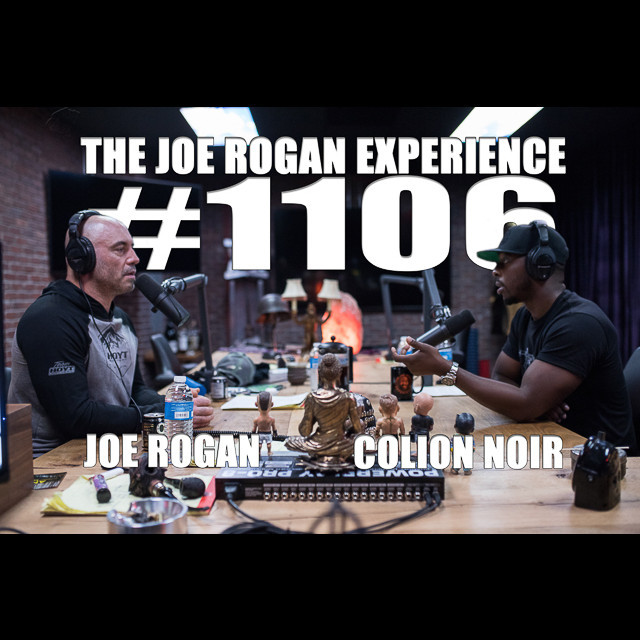
This podcast features a conversation with Colion Noir, a gun rights activist, lawyer, and member of the National Rifle Association. Topics range from his personal journey into gun ownership to his perspectives on gun control, mental health, and the role of the NRA in contemporary discourse. The conversation reveals a nuanced understanding of the complexities surrounding gun rights, highlighting the need for thoughtful dialogue and a focus on underlying social issues that contribute to gun violence.
Major Topics
- Colion Noir’s Origin Story and Transition to Gun Advocacy:
- Noir adopted the name “Colion Noir” as a pseudonym for his YouTube channel, inspired by a friend’s nickname and his affinity for wearing black clothing.
- Initially hesitant about guns due to negative stereotypes associated with Black men and firearms, Noir embraced gun ownership after a transformative first experience at a shooting range.
- Noir’s journey into gun advocacy is deeply personal, born from a desire to challenge his own preconceived notions and understand the complexities of the issue.
- This experience underscores the importance of personal narratives and how they can shape perspectives on complex social issues.
- The NRA’s Role in the Gun Control Debate:
- Noir challenges the perception of the NRA as a monolithic entity, emphasizing its vast membership and diversity of views.
- He argues that the NRA is often vilified and misrepresented in the media, with its members unfairly labeled as “monsters” and “racist rednecks.”
- Noir believes that the NRA’s power stems from its massive membership base and the fear it evokes in anti-gun advocates.
- He criticizes the tendency to focus on the NRA as the primary obstacle to gun control, urging a deeper examination of the underlying societal factors contributing to violence.
- Mental Health as a Primary Factor in Gun Violence:
- Noir strongly advocates for prioritizing mental health in the gun control debate, arguing that the focus on gun ownership is a distraction from the real issue.
- He points to the high prevalence of psychiatric medication among mass shooters, highlighting the need for a more comprehensive approach that addresses mental health concerns.
- Noir argues that the same energy directed towards gun control should be channeled towards understanding and addressing mental health issues.
- He challenges the idea that simply taking guns away from people will solve the problem, emphasizing that mental health is a crucial but often overlooked aspect of the gun violence discussion.
- Gun Free Zones and Their Effectiveness:
- Noir criticizes the effectiveness of gun free zones, arguing that signs on windows do not deter criminals and that they only serve to disarm potential victims.
- He advocates for a multi-layered approach to safety that includes physical preventative measures like metal detectors and armed security personnel.
- Noir draws parallels with security measures implemented in airports and nightclubs, highlighting the inconsistencies in gun control policies.
- He argues that gun free zones create a false sense of security and actually make vulnerable populations more susceptible to violence.
- The Impact of Social and Economic Factors on Gun Violence:
- Noir emphasizes the role of social and economic factors in driving gang violence, particularly in inner cities.
- He argues that focusing solely on gun control ignores the deeper underlying issues of poverty, lack of opportunity, and systemic inequalities that contribute to violence.
- Noir believes that investing in education, job creation, and community development is essential to address the root causes of gang violence.
- He criticizes the hypocrisy of focusing on gun control while neglecting the social and economic factors that contribute to the problem.
- The Role of Personal Responsibility and Self-Defense:
- Noir defends the right to self-defense, arguing that it is a fundamental human right that should not be infringed upon.
- He believes that owning a gun empowers individuals to protect themselves and their loved ones in a world where violence is a reality.
- Noir emphasizes the importance of responsible gun ownership, including proper training, safety measures, and a respect for the power of firearms.
- He challenges the narrative that demonizes gun ownership, arguing that responsible gun owners are not the source of the problem but rather a potential solution.
- The Importance of Open Dialogue and Education:
- Noir advocates for a more nuanced and respectful dialogue on gun control, urging individuals to engage with the issue from a place of education and understanding.
- He criticizes the tendency to rely on simplistic narratives and emotional appeals rather than engaging in thoughtful discourse and evidence-based analysis.
- Noir emphasizes the need to acknowledge the diversity of perspectives within the gun rights community, rejecting the portrayal of all gun owners as monolithic and irrational.
- He believes that open dialogue and education are essential to finding common ground and addressing the complex issue of gun violence.
- The Influence of Media and Satire on Public Perception:
- Noir discusses the impact of media portrayals, particularly satirical programs, on public perception of the NRA and gun owners.
- He argues that John Oliver’s monologue on NRA TV, while humorous, perpetuates harmful stereotypes and ignores the diversity of voices within the gun rights community.
- Noir believes that satire can be a powerful tool for social commentary but that it should be balanced with a respect for the complexities of the issue and the perspectives of those involved.
- He highlights the danger of relying on sensationalized and often inaccurate portrayals to shape public opinion on gun control.
- The Role of Social Media and Censorship:
- Noir discusses the challenges of navigating social media platforms, particularly in terms of reach and monetization.
- He alleges that conservative and gun-related content is often suppressed or de-platformed, with algorithms and moderators favoring certain viewpoints.
- Noir believes that this censorship undermines free speech and creates a hostile environment for dissenting voices.
- He emphasizes the need for greater transparency and accountability in the way social media platforms manage content and algorithms.
- The Potential for Change and Finding Common Ground:
- Noir expresses hope for a more informed and productive dialogue on gun control, emphasizing the need for a shift from blaming objects to understanding the complexities of human behavior.
- He advocates for addressing the underlying social, economic, and mental health factors that contribute to violence.
- Noir believes that finding common ground requires acknowledging the validity of different perspectives, promoting education and open dialogue.
- He emphasizes the importance of finding solutions that address the root causes of violence while respecting the rights of law-abiding citizens.
Memorable Quotes
- “The thing that people are bothered by is what comes with it and how people use it.” – Noir reflects on the inherent neutrality of objects like guns and cars, emphasizing the human element in their misuse.
- “I think we are a victim of our own success in this country.” – Noir observes that America’s success has led to a sense of entitlement and a lack of appreciation for the principles upon which the nation was founded.
- “The second amendment doesn’t give me a right. It preserves something that already existed.” – Noir clarifies the intent of the Second Amendment, highlighting its role in protecting pre-existing rights, not granting new ones.
- “Everybody wants to look at the object. Which I get. What’s easier?” – Noir acknowledges the tendency to blame objects rather than examining the underlying human factors contributing to violence.
- “If you gave me a red button and said, would I could I end all senseless violence by hitting that button? I would say yes.” – Noir highlights the complexity of violence, acknowledging the possibility of eliminating violence but recognizing the ethical and practical implications of such a decision.
“`