4/17/2018
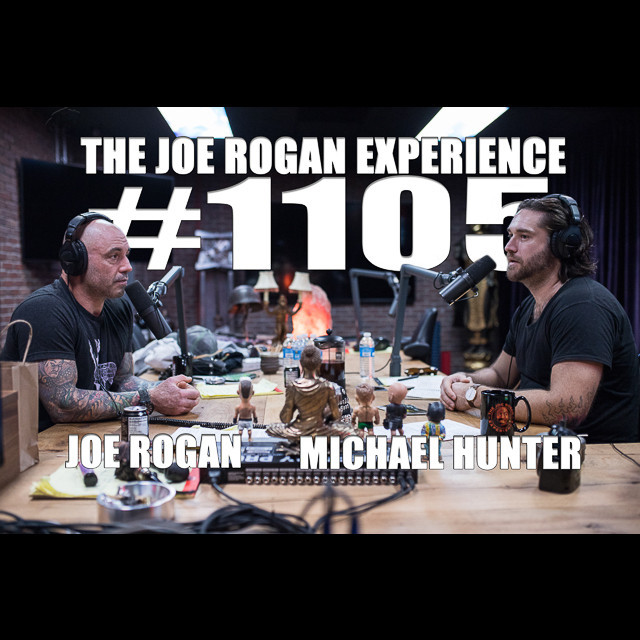
This podcast with Joe Rogan features Michael Hunter, chef and owner of Antler Kitchen in Toronto. Their conversation explores the clash between ethical meat consumption and vegan activism, with a focus on hunting and foraging as a sustainable approach to food. Provocative topics include Michael Hunter’s viral story of butchering a deer in front of vegan protesters, the ethics of hunting and animal population control, and the complex relationship between food choices and personal identity. Underlying themes examine the importance of education and understanding in addressing complex societal issues, the power of personal experience and connection to nature, and the importance of challenging preconceived notions.
1. Vegan Protests and the Antler Kitchen Story
This podcast starts with the viral story of vegan protesters outside Antler Kitchen, a restaurant in Toronto serving venison. Michael Hunter, the chef and owner, recounts his decision to butcher a deer in front of them, sparking outrage and generating media attention. This event serves as a catalyst to explore the broader conflict between animal rights and meat consumption.
- A humorous chalkboard sign (“Venison is the new kale”) initially triggered the protests.
- The protests escalated from peaceful demonstrations to hostile confrontations, disrupting the restaurant’s operations.
- Hunter’s actions, while controversial, are presented as a last resort to protect his business and customers.
- The story highlights the intensity of vegan activism and the potential for passionate viewpoints to spiral into conflict.
2. The Ethics of Hunting and Animal Population Control
The conversation delves into the ethics of hunting, emphasizing its role in managing wildlife populations and mitigating ecological damage. Hunter, an avid hunter, argues that hunting is a necessary and often humane practice for controlling overpopulation and preventing disease.
- Hunter contrasts trophy hunting with hunting for food and its role in wildlife conservation.
- The discussion explores the devastating effects of invasive species, such as wild pigs, on agricultural ecosystems.
- Hunter highlights the importance of understanding the complexities of the natural world, including the role of predators and the need for population control.
- The argument centers around the idea that responsible hunting practices can promote both human well-being and environmental sustainability.
3. The Vegan Lifestyle and the Importance of Education
The podcast acknowledges the ethical arguments behind veganism, particularly concerning factory farming, but challenges the extreme views and tactics of some vegan activists. The conversation emphasizes the importance of education and understanding to bridge the gap between different viewpoints.
- Hunter argues that veganism, when practiced thoughtfully, can be a healthy and sustainable lifestyle choice, but highlights the potential health risks of poorly planned vegan diets.
- The discussion touches on the detrimental effects of factory farming and the importance of promoting ethical and sustainable agricultural practices.
- Hunter expresses frustration with the lack of nuanced understanding among some vegan activists, particularly concerning the role of hunting in wildlife management.
- The conversation encourages open dialogue and the sharing of information to promote a more informed and compassionate approach to food choices.
4. The Power of Experience and Connection to Nature
The podcast emphasizes the profound impact of personal experience and connection to nature on understanding food choices. Hunter’s own journey into hunting and foraging has deepened his appreciation for the natural world and the ethical complexities of food production.
- Hunter describes the humbling experience of hunting and the respect he has for the animals he harvests.
- He highlights the unique flavor and nutritional value of wild game and the importance of utilizing every part of the animal.
- Hunter emphasizes the importance of foraging for wild foods, such as mushrooms, as a way to reconnect with nature and appreciate the biodiversity of the environment.
- The conversation advocates for a more holistic understanding of food production, recognizing the interconnectedness of human beings, animals, and the environment.
5. The Antler Kitchen Story and the Future of Sustainable Cuisine
The podcast concludes by exploring the success of Antler Kitchen, a restaurant dedicated to showcasing Canadian cuisine with a focus on sustainable and ethical sourcing practices. Hunter shares his vision for the future of the restaurant and his commitment to educating diners about the origins of their food.
- Antler Kitchen’s menu features locally sourced and ethically raised wild game, as well as foraged ingredients, reflecting a commitment to sustainable practices.
- Hunter describes his plans to expand his knowledge of indigenous cooking techniques and to promote a deeper understanding of Canadian cuisine.
- The podcast highlights the growing interest in sustainable and ethical food choices, encouraging diners to be more conscious consumers.
- Hunter’s story serves as an inspiration for others to explore their own connections to food and to advocate for a more mindful and respectful relationship with nature.
5 Memorable Quotes:
- “I think if people were to actually kill an animal, they would see, you know, what goes into that. And I don’t think people would consume as much meat, and I don’t think people would definitely, you know, they certainly wouldn’t waste as much meat.” – Michael Hunter
- “You know, there’s a real argument, a real argument that support against factory farming. And factory farming is the way most people are getting their meat in terms of like, in terms of, like, cheeseburgers and fast food and stuff along those lines. I mean, you’re not getting it from the most ethical sources. It’s just it’s not financially sustainable to do it that way, everything would cost more money.” – Joe Rogan
- “It’s an almost psychedelic experience to to to hunt and be in the wild.” – Michael Hunter
- “I’ve done vegan cleansers. I’ve done the juice cleansers. I’ve I’ve done, you know, I’ve gone out for as a chef to vegan restaurants and I’m not full. You know, I’ll eat 3 or 4 courses. I’ll spend tons of money. And half an hour later, I’m starving, starving.” – Michael Hunter
- “The battle is factory farming. That’s the real battleground. And this is the wrong this is, like, the most ethical version of what you’re opposing. And I think there’s there’s a there’s a healthy comp double middle ground for the 99 percent that aren’t fucking idiots. I really do.” – Michael Hunter