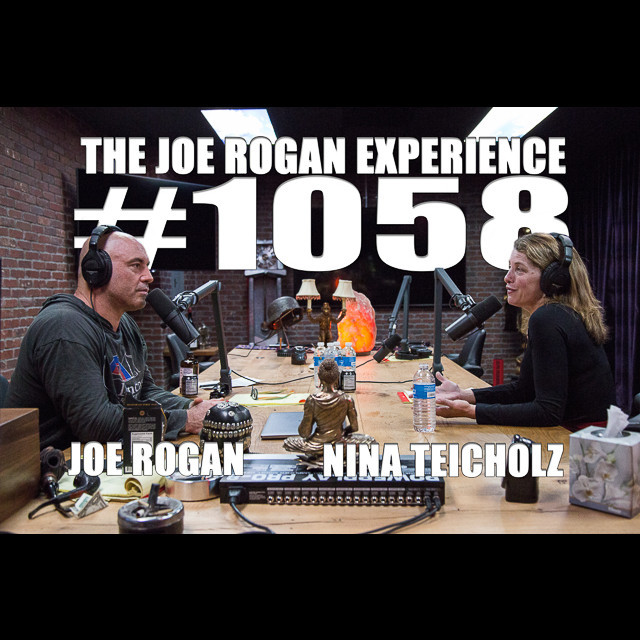
12/28/2017
This episode dives deep into the controversial world of nutrition science, exploring the history of dietary fat and the rise of the low-carb movement. Nina Teicholz, an investigative journalist and author of “The Big Fat Surprise,” reveals the surprising truth about butter, meat, and cheese and how the low-fat diet has failed us.
Provocative topics discussed include the sugar industry’s influence on scientific research, the pitfalls of relying on epidemiological studies, the limitations of vegan diets, the benefits of intermittent fasting, and the dangers of demonizing food groups like saturated fat and salt. Underlying themes explore the influence of politics and economics on scientific consensus, the tendency for scientists to cling to their hypotheses, and the need for a more nuanced approach to nutrition.
1. The Myth of Saturated Fat:
* Teicholz challenges the long-held belief that saturated fat causes heart disease, presenting a compelling case for its role in a healthy diet.
* Her book, “The Big Fat Surprise,” reveals the historical and scientific context behind the low-fat craze.
* She exposes how the sugar industry funded research that demonized saturated fat while promoting sugar as a healthy alternative.
* Teicholz delves into the unintended consequences of the low-fat movement, including the rise of obesity and diabetes.
2. The Power of the Low-Carb Diet:
* She emphasizes the growing body of evidence supporting the benefits of low-carb diets for weight loss, diabetes control, and heart health.
* Teicholz highlights the effectiveness of the Atkins diet and similar approaches, emphasizing their impact on blood sugar levels and cardiovascular risk factors.
* She discusses the challenges of achieving a low-carb diet on a vegan or vegetarian diet, highlighting the importance of nutrient density and bioavailability.
* Teicholz emphasizes the need for rigorous clinical trials to establish cause and effect relationships between diet and health outcomes, contrasting them with observational studies that only demonstrate correlations.
3. The Intermittent Fasting Revolution:
* Teicholz explores the benefits of intermittent fasting as a strategy for weight loss and fat burning.
* She emphasizes how intermittent fasting helps the body shift to fat-burning mode, allowing it to access stored fat reserves as fuel.
* She discusses the importance of keeping carbohydrates low during intermittent fasting to prevent glucose spikes that hinder fat burning.
* She provides insights into the physiological mechanisms behind intermittent fasting, explaining why the body prefers glucose as a fuel source and how to overcome this preference.
4. The Dangers of Demonizing Salt:
* Teicholz challenges the conventional wisdom that salt is harmful to health, presenting evidence that moderate salt consumption is essential for good health.
* She criticizes the reliance on short-term, small studies that focus solely on hypertensive individuals and fail to demonstrate the long-term effects of salt reduction.
* She highlights the findings of epidemiological studies that suggest lower salt intake is linked to higher rates of cardiovascular death.
* She emphasizes the need for evidence-based nutrition policy and advocates for the Nutrition Coalition, an organization dedicated to promoting science-based dietary guidelines.
5. The Vegan Movement:
* Teicholz discusses the ethical and environmental motivations behind the vegan movement, acknowledging its positive aspects while highlighting its limitations.
* She challenges the scientific claims made in documentaries like “What the Health,” arguing that they rely on weak evidence and unsubstantiated correlations.
* She emphasizes the difficulty of achieving optimal health on a vegan diet, particularly when it comes to nutrient density and bioavailability.
* She explores the potential of lab-grown meat as a more sustainable alternative to animal agriculture, acknowledging both its promise and its potential challenges.
6. The Politics of Food:
* Teicholz analyzes the political and economic forces that have shaped our dietary guidelines and influenced scientific consensus.
* She discusses the entrenched interests of various stakeholders, including government agencies, universities, pharmaceutical companies, and food corporations.
* She explores the reluctance of institutions to acknowledge past mistakes and the challenges of promoting evidence-based nutrition policies.
* She underscores the need for greater transparency and accountability in nutrition science, calling for a more rigorous and objective approach to research.
7. The Role of Evolution:
* Teicholz emphasizes the importance of understanding human evolution to inform our dietary choices.
* She presents evidence that humans evolved as omnivores, relying heavily on meat as a source of essential nutrients and energy.
* She discusses the role of meat consumption in the development of the human brain and the limitations of plant-based diets in meeting our nutritional needs.
* She argues that our evolution as meat-eaters cannot be ignored or denied in crafting healthy and sustainable dietary practices.
8. The Human Struggle for Food:
* Teicholz explores the ethical and emotional complexities of our relationship with food, highlighting the need for empathy and understanding across different perspectives.
* She reflects on the psychological and societal factors that influence our food choices, including fear, ideology, and the desire for a sense of belonging.
* She discusses the limitations of demonizing certain food groups or advocating for a single dietary approach, emphasizing the need for a personalized and nuanced approach to nutrition.
* She calls for greater dialogue and collaboration among different groups, advocating for a more inclusive and compassionate approach to food choices.
5 Memorable Quotes:
- “Fat doesn’t make you fat. The low fat diet doesn’t make you healthy.” – Teicholz challenges conventional wisdom and argues for a more nuanced understanding of dietary fat.
- “It’s really a story more about politics than about science.” – Teicholz highlights the political and economic factors that have shaped our understanding of nutrition science.
- “It’s like living on top of a well and not having a bucket to get yourself a drink of water.” – Teicholz vividly illustrates the inability to access our own fat reserves for fuel when relying solely on glucose as a fuel source.
- “We just made a gigantic mistake.” – Teicholz underscores the impact of the low-fat movement and the need for a course correction in our dietary guidelines.
- “This whole dASH diet, this reduced sodium diet. None of that advice should be generalized to anybody else.” – Teicholz criticizes the widespread advice to reduce salt intake, arguing that it lacks scientific foundation.