12/19/2017
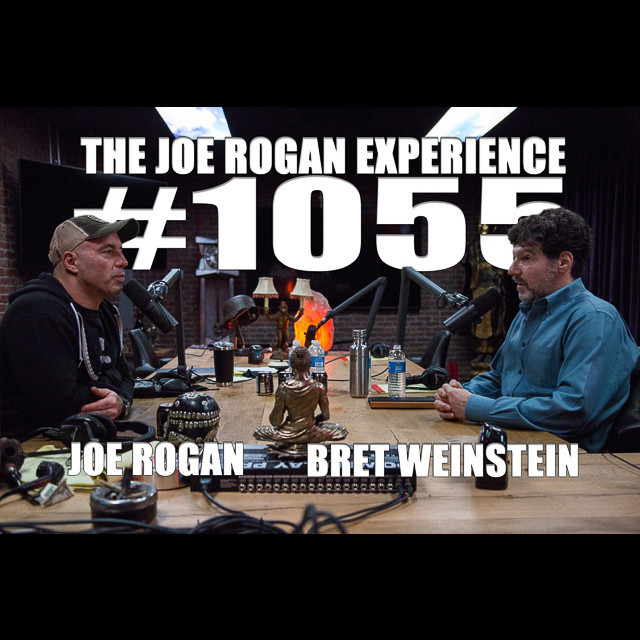
This podcast features a fascinating conversation with Bret Weinstein, a biology professor who became a controversial figure after his public dispute with Evergreen State College. The discussion explores a range of provocative topics, from the rise of social justice movements to the potential dangers of artificial intelligence. Throughout the conversation, Weinstein delves into deep underlying themes of personal responsibility, the nature of power, and the importance of critical thinking. Here are some of the key topics discussed and their 4-point summaries:
The Evergreen State College Controversy
- The “Day of Absence”: Weinstein’s refusal to participate in a day where white people were asked to stay off campus sparked a chain of events that led to his resignation. This incident highlighted the growing tension between different ideologies on college campuses and the increasing use of “weaponized stigma” to silence dissent.
- The Role of “Social Justice Warriors”: The podcast explores the behavior of individuals who actively promote social justice causes, often resorting to aggressive tactics and a sense of entitlement. Weinstein argues that while some may be deeply confused, others are strategically wielding power through manipulation and fear.
- The Power of Accusations: Weinstein emphasizes the danger of being labeled a “racist” in today’s society, arguing that such accusations are often wielded with little regard for due process. He emphasizes the importance of resisting these accusations and not playing into the narrative created by those seeking to wield power through stigma.
- The Need for Personal Responsibility: The Evergreen controversy underscores the importance of personal responsibility and the danger of relying solely on external structures to create equality. Weinstein argues that focusing on personal growth and skill development can empower individuals to overcome systemic disadvantages.
The Limits of Progressive Politics
- Left vs. Left: The podcast examines the internal divisions within the left, particularly the tension between traditional liberalism and more radical social justice movements. Weinstein describes his own experiences as a “progressive” who was targeted by the left for his dissenting views.
- The Danger of Equality of Outcome: Weinstein argues that the pursuit of equality of outcome is both unrealistic and undesirable, leading to dystopian consequences and stifling individual initiative. He advocates for a focus on quality of opportunity, acknowledging that even with fair access, outcomes will vary based on individual effort and circumstances.
- The Illusion of Group Selection: Weinstein critiques the Marxist idea of group selection, arguing that it ignores the inherent self-interest of individuals, leading to a breakdown of systems designed for collective good. He emphasizes the importance of competition, not just between individuals, but also against one’s own limitations, as a driver of personal growth.
- The Role of Black Conservatives: Weinstein discusses his newfound understanding of the complexities of race and politics, acknowledging the perspectives of Black conservatives who prioritize personal responsibility and self-reliance over systemic change. This dialogue highlights the need for diverse viewpoints in addressing societal issues.
The Challenges of Capitalism and Rent Seeking
- Rent Seeking vs. Innovation: Weinstein explores the distinction between rent seeking, which involves extracting profits without producing value, and genuine innovation, which creates benefits for society. He argues that a significant portion of the economy is driven by rent seeking, contributing to societal problems.
- The Role of Markets: While acknowledging the benefits of free markets, Weinstein cautions against giving them unbridled power. He argues for a system that incentivizes markets to address societal needs while mitigating their capacity to exploit individuals.
- The Addiction to Technology: The discussion delves into the unintended consequences of technological advancement, particularly the addictive nature of smartphones and social media. Weinstein argues that the pursuit of profit often overlooks the long-term costs to individual well-being and societal stability.
- The Need for Game B: Weinstein advocates for a “Game B” approach to address the limitations of current systems. This involves creating entities that can function within existing markets while offering superior solutions, challenging the status quo and driving positive change.
The Power of Innovation and Disruption
- Parkour as a Metaphor for Change: Weinstein uses the concept of parkour, a discipline that involves navigating urban environments in creative ways, as a metaphor for societal innovation. He suggests that the solutions to our most pressing problems may lie in unconventional approaches that challenge existing norms.
- The Importance of Challenging Existing Structures: Weinstein highlights individuals and movements that have disrupted established systems, such as Bruce Lee in martial arts, Lars Anderson in archery, and Danny MacAskill in cycling. These examples demonstrate the power of challenging conventional wisdom and pushing boundaries.
- The Limitations of Institutional Knowledge: Weinstein argues that institutions, including academia, can become stagnant and resistant to change. He emphasizes the need for individuals to step outside established frameworks to discover new possibilities.
- The Promise of Blockchain: Weinstein sees blockchain technology as an example of a disruptive force that has the potential to revolutionize existing systems, including currency. He acknowledges the risks and challenges but emphasizes the potential for positive change.
The Future of Education and the Role of Teachers
- The Failure of Traditional Education: Weinstein, drawing from his own experience as a student, critiques the shortcomings of traditional education systems, particularly their failure to cater to diverse learning styles and individual needs.
- The Importance of Empowering Students: He emphasizes the importance of teachers who understand the challenges faced by “bad students” and provide them with the support and encouragement necessary to unlock their potential.
- The Value of Teaching Beyond Assessment: Weinstein argues against the narrow focus on assessment in education, emphasizing the need for teachers to prioritize learning and personal growth over standardized measures. He believes that a teacher’s role is not just to assess, but to inspire and empower.
- The Need for Social Investment in Education: Weinstein advocates for greater investment in education, not just for the sake of individual advancement, but for the benefit of society as a whole. He suggests that requiring some form of service from those who benefit from education can create a more equitable and engaged society.
The Nature of Belief Systems and the Danger of Cults
- The Power of Metaphorical Truths: Weinstein explores the nature of belief systems, arguing that they often provide metaphorical truths that cannot be expressed literally. He suggests that these truths can be both beneficial and dangerous, depending on how they are interpreted and applied.
- The Evolution of Religions: Weinstein argues that religions that have endured over time have evolved to address the challenges and problems faced by their followers. He sees these religions as systems that have adapted to promote cohesion and cooperation, effectively error-correcting to prevent corruption and infighting.
- The Distinction Between Religion and Cults: Weinstein differentiates between religions that have evolved to serve a societal purpose and cults, which are more predatory, often exploiting individuals for personal gain. He acknowledges the difficulty in making this distinction, as the origins of some religions may be rooted in self-serving motives.
- The Dangers of Dogma and Inflexibility: Weinstein emphasizes the importance of critical thinking and adaptability in the face of changing realities. He cautions against the dangers of rigid belief systems that can prevent progress and adaptation.
The Looming Threat of Artificial Intelligence
- The Accelerating Pace of AI Development: Weinstein expresses deep concern about the rapid advancement of artificial intelligence, particularly the potential for its development to outpace our ability to understand and control it.
- The Danger of Unintended Consequences: He highlights the risks of creating algorithms that can learn and evolve independently, potentially leading to unforeseen and potentially disastrous outcomes.
- The Need for Regulation and Ethical Boundaries: Weinstein argues for the need to establish clear ethical boundaries and regulations for AI development, recognizing that the potential for harm is too great to ignore.
- The Importance of Collective Action: He emphasizes the importance of a collective effort to address the challenges of AI, recognizing that individual actions may not be sufficient to mitigate the risks.
The Quest for Meaning and Fulfillment
- The Hedonic Treadmill: Weinstein critiques the pursuit of happiness as a primary goal, arguing that it often leads to a never-ending cycle of dissatisfaction. He suggests that we should seek fulfillment through meaningful pursuits that contribute to a greater good.
- The Importance of Growth and Opportunity: He acknowledges the human drive for growth and the role of technology in facilitating this, but cautions against pursuing innovation solely for the sake of novelty or material gain. He advocates for a more mindful approach to technological advancement.
- The Need for a Stable and Abundant System: Weinstein believes that it is within our capacity to create a system that provides for both individual fulfillment and societal well-being. This requires a shift in perspective away from the pursuit of material wealth and toward a focus on shared prosperity and meaningful purpose.
- The Hope for a Better Future: Despite the numerous challenges facing humanity, Weinstein remains optimistic about the potential for positive change. He emphasizes the need for critical thinking, open dialogue, and a willingness to experiment with new ideas and approaches to create a more sustainable and equitable future.
This podcast offers a thought-provoking and often controversial examination of the issues facing our world today. It challenges us to think critically about the systems we have created, the forces that drive us, and the choices we make as individuals and as a society. Bret Weinstein’s unique perspective, rooted in his experiences as a scientist and a social activist, provides a valuable lens for navigating the complexities of our modern world.
5 Memorable Quotes
- “You wanna be careful not to mix what they say with what they’re actually up to. Because what they say is very confusing. It it can’t be parsed logically. There’s so many contradictions so close to the surface that 1 has the sense, that they are deeply confused, and some of them are. But there is also a strategic movement under the surface, which we can’t listen into directly. And it is more sophisticated than we think.”
- “I would like to live in a world that is so well structured that I could be a conservative in it. And I don’t mean a conservative in the sense the ideological sense I mean I would like to be in a world where tinkering with it stood a better chance of making it worse and was unnecessary.”
- “If you really wanted to make America great again. Right? You really wanted to make America great. What you would wanna do is have less losers. So you’d wanna go and find these places where people are in these economically deprived areas where there’s a ton of crime and violence and they don’t have like a real good sense of like a potential positive outcome from where they’re where they’re at and transform that.”
- “I think we are overly concerned. We have been sold the idea that the job of teacher is to assess how much the student has learned that basically the job of the teacher is largely to report out to the world how qualified this person is.”
- “I really feel like we’re in a fucking science fiction movie, and we’re at the beginning of the movie where everything’s great. Right. It’s a lot. We got problems. We got a lot of dudes out there, pension butts, and there’s some some dudes are pretty rapey, and we got rid in the British cabin space. We got taken out of that movie. We’re doing pretty good. Right. And then in the meanwhile, there’s fucking robots that are being built by boss dynamic that does back flips and they’re gonna be able to think for themselves and they’re gonna have machine guns for hands.”