11/10/2017
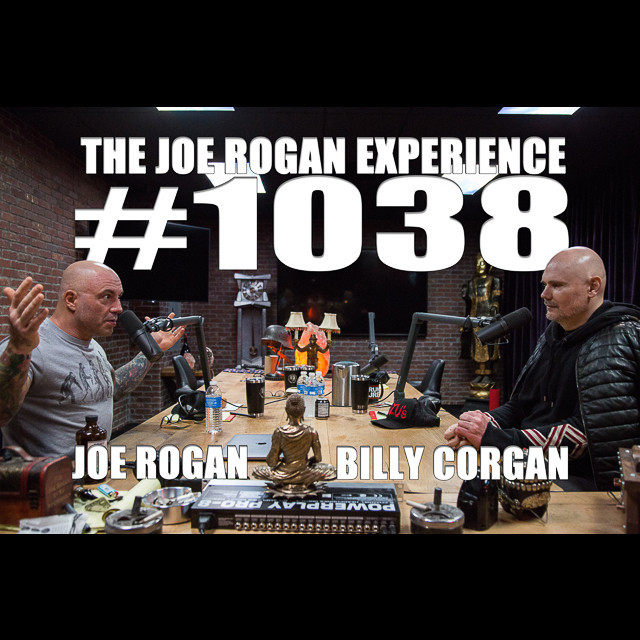
This podcast features a captivating conversation with Billy Corgan, the enigmatic frontman of the Smashing Pumpkins. The discussion dives into Corgan’s multifaceted career, touching on his ventures in pro wrestling, his controversial history, his musical journey, and his perspective on fame, success, and the music industry.
Major Topics Discussed
1. Billy Corgan’s Pro Wrestling Adventures:
- Corgan’s unexpected foray into pro wrestling, acquiring the National Wrestling Alliance (NWA) and his tenure as President of TNA.
- A detailed account of his tumultuous time with TNA, including legal battles, alleged power struggles, and his ultimate departure.
- The unique blend of reality and fantasy in wrestling, creating a blurry line for fans and insiders.
- Corgan’s realization that keeping the worlds of music and wrestling separate is beneficial, as his music fans generally aren’t interested in his wrestling ventures.
2. The Impact of a “Fucked Up” Childhood:
- Corgan’s unconventional upbringing, including his father’s career as a drug-dealing musician and the chaotic environment of their household.
- Anecdotes about Corgan’s father’s encounters with the mob, involvement in arson, and his brush with death during drug deals.
- Corgan’s father’s initial dismissiveness of his musical aspirations and his later, albeit convoluted, support.
- A reflection on the potential link between adversity and creativity, acknowledging the influence of a challenging childhood on his art.
3. The Violence and History of Chicago:
- Corgan’s perspective on Chicago’s deeply rooted history of violence, particularly the ongoing gang violence on the South Side.
- Statistics highlighting the alarming levels of gun violence and murders in Chicago, a recurring problem with seemingly no easy solution.
- A former Chicago police officer’s account of the city’s history of tolerating crime within certain boundaries and the unintended consequences of cracking down on top-level drug dealers.
- Corgan’s connection to Chicago’s working-class ethos and how the city’s unique character has remained despite gentrification.
4. The “Prison” of Suburban Life and Rebellion:
- Corgan’s rejection of suburban life, citing a sense of confinement and a yearning for something more authentic.
- His escape from suburban monotony into the world of rock and roll, trading one form of imprisonment for another.
- The pressure to conform to industry expectations and the constant questioning of authenticity within the music world.
- Corgan’s early embrace of rebellion and his refusal to compromise his artistic vision, even at the cost of alienating some fans.
5. The Nirvana Phenomenon and the Documentary Debate:
- Corgan’s perspective on the unique and often strange world surrounding Nirvana, having witnessed it firsthand during their rise.
- His criticism of the Kurt Cobain documentary, “Montage of Heck,” for its use of fabricated dialogue and its potential to perpetuate conspiracy theories.
- Corgan’s personal perspective on the events surrounding Cobain’s death and his reservations about discussing them publicly.
- A reflection on the enduring power of Nirvana’s music and its impact on the music scene.
6. Collaborating with Rick Rubin:
- Corgan’s decision to work with Rick Rubin, a renowned producer known for his ability to guide artists to their core sound.
- The trust and respect Corgan had for Rubin, allowing him to take the lead while Corgan focused on the creative aspects of the music.
- The benefits of an external perspective, helping Corgan to break free from self-doubt and rediscover the joy of making music.
- A conversation about the challenges of maintaining objectivity when creating music, and the value of seeking outside perspectives.
7. The Music Business: A Jedi Mind Trick:
- Corgan’s firsthand experience with the music industry’s manipulation, comparing it to a “Jedi mind trick” designed to exploit artists’ vulnerabilities.
- Corgan’s early contract, signed at age 23, which essentially bound him to the label for over half his life.
- The leverage artists gain from success and how quickly it can dissipate if they lose momentum, leading to pressure and control from labels.
- A discussion about the evolution of the music industry and its move toward 360 deals, which give labels control over various aspects of an artist’s career and brand.
8. The Rise of Streaming Services and the Struggle for Artist Compensation:
- Corgan’s analysis of the music industry’s strategy of sacrificing artist compensation for equity in streaming services, creating a long-term disadvantage for artists.
- A conversation about the low rates paid to artists by streaming services like Spotify, while labels benefit from their equity positions.
- The increasing pressure on artists to diversify their revenue streams, looking beyond traditional record deals to secure financial independence.
- Corgan’s belief that the brand value of artists is often more valuable than their perceived profit and loss on paper, highlighting a shift in the power dynamics of the industry.
9. The Legacy of Artists and the Importance of Brand:
- Corgan’s observation that certain artists, like Guns N’ Roses, possess enduring brand value that transcends individual successes or failures.
- His appreciation for Axl Rose’s rebellious spirit and how it contributes to the Guns N’ Roses brand, even during periods of turmoil.
- The cyclical nature of artistic creation and the public’s ever-changing perception of artists, highlighting the challenges of maintaining relevance over time.
- Corgan’s recognition of the need for artists to evolve and explore new creative territories to stay engaging and contribute meaningfully to culture.
10. The Challenges of Touring and Maintaining Creativity:
- Corgan’s experience of the deoxygenating effects of constant touring, leading to a decline in creativity and a reliance on writing songs about the touring experience.
- The challenges of staying relatable and engaging with audiences when living in a bubble of tour life, often leading to stale material.
- Corgan’s approach to overcoming this challenge by changing personalities and musical directions to re-energize his creative process.
- The importance of recognizing and addressing these challenges, seeking external guidance or shifting perspectives when necessary.
11. The Evolution of Audience Expectations:
- Corgan’s observation that the internet has homogenized audience expectations, blurring the lines between intimate and large-scale shows.
- His experience of a shift in audience receptivity, where a willingness to explore new material has diminished over time.
- The impact of social media on audience expectations and the pressure for artists to deliver familiar material even in intimate settings.
- Corgan’s internal struggle with fulfilling audience expectations while still remaining true to his artistic vision and personal evolution.
12. The Importance of Vulnerability and Authenticity:
- Corgan’s shift from viewing performing as an art project to one that prioritizes connecting with the audience.
- His realization that sacrificing his desire to perform whatever material he felt connected to for the sake of audience expectations was hindering his enjoyment of performing.
- The gradual process of finding a way to reconcile his personal artistic vision with the demands of his fanbase.
- Corgan’s newfound appreciation for the audience’s appreciation of his work and how it has injected a sense of joy into his performances.
13. The “Trap” of Becoming a Character:
- Corgan’s discussion about the challenges of maintaining authenticity when your public persona becomes a caricature of your true self.
- His deliberate efforts to dismantle his “goth vampire” image, even if it hurt his business and frustrated some fans.
- The expectation of a certain “moody” persona, leading to a disconnect between Corgan’s actual personality and the image projected onto him.
- Corgan’s willingness to use his public persona as a battering ram, even if it means becoming a meme, to explore the complexities of fame and image.
14. The “Dirty” Tactics of the Music Industry:
- Corgan’s insights into the music industry’s history of exploiting artists through contractual loopholes and technological advancements.
- His frustration over the industry’s maneuvering to control artists and keep them beholden to the system, often hindering true independence.
- Examples of the industry’s manipulation, such as the low rates paid to artists on streaming services while labels benefit from equity deals.
- Corgan’s belief that the industry’s practices are driven by survival and a need to control the flow of music, even if it comes at the expense of artists’ rights.
15. The Power of the Outsider and Changing the Game:
- Corgan’s observation that artists who break out of the traditional music industry model, like Chance the Rapper and Conor McGregor, can create new dynamics and opportunities for themselves.
- The unique leverage that artists gain by stepping outside the system, forcing those in power to adapt or be left behind.
- The importance of recognizing and exploiting unique opportunities, like McGregor’s rise to stardom through a different set of rules.
- A reflection on the ongoing evolution of the music industry and the potential for artists to reshape it with their own creative vision.
16. The “Celestial” Friendship and the Challenges of Fame:
- Corgan’s experiences with maintaining friendships with other celebrities, finding it difficult to navigate the layers of intermediaries and expectations that often accompany fame.
- The distorted perception of relationships when one person is in the public eye and how it can affect the dynamics of those relationships.
- Corgan’s preference for genuine, unfiltered friendships, even if it means limiting his circle to those who can connect with him on a human level.
- A reflection on the potential pitfalls of fame and the importance of maintaining a sense of normalcy amidst the chaos.
17. The Impact of Fame on Relationships:
- Corgan’s observation of how fame can warp relationships with family and friends, creating a disconnect between the person they knew before and the public figure they see on television.
- The potential for envy and jealousy to creep into relationships, particularly when one person experiences extraordinary success and wealth.
- Corgan’s personal experience of witnessing this shift in his family’s dynamic, highlighting the challenges of managing the impact of fame on personal relationships.
- A reflection on the need to approach fame with humility and to maintain a sense of perspective amidst the whirlwind of attention.
18. The Power of the “One Hit Wonder”:
- Corgan’s fascination with the phenomenon of the “one-hit wonder” and the anxieties it can trigger, particularly for artists striving for longevity.
- The irony of a single song’s success often overshadowing the artist’s other work, leading to a strange form of immortality tied to a singular moment in time.
- Corgan’s perspective on the challenges of managing the expectations that come with a sudden surge in popularity, potentially leading to a sense of pressure and vulnerability.
- A reflection on the fickle nature of fame and the importance of embracing the journey of an artist’s career, both the highs and lows.
19. The “Greatest Light Heavyweight Champion” and the Ethics of Cheating:
- Corgan’s admiration for Jon Jones, a dominant mixed martial arts (MMA) fighter who has been embroiled in controversy due to multiple failed drug tests.
- A discussion about the ethical complexities of performance-enhancing drugs in combat sports, where the potential to inflict harm is amplified.
- The debate about whether Jones’s success is due to his natural talent or the use of PEDs, raising questions about the integrity of the sport.
- Corgan’s call for increased transparency and accountability in MMA, particularly regarding drug testing and the potential for harm caused by cheating.
20. The Eccentricity of Dennis Rodman:
- Corgan’s anecdotes about his friendship with Dennis Rodman, highlighting Rodman’s unconventional personality and behavior.
- Rodman’s unexpected trip to North Korea and his naive belief that he could influence the country’s leader in a positive way.
- A conversation about the complexities of Rodman’s character, balancing his eccentricity with his genuine heart and willingness to push boundaries.
- Corgan’s perspective on Rodman’s impact on the basketball world and the lasting memory of his unique persona.
21. The Importance of Free Speech and the Dangers of Censorship:
- Corgan’s passionate defense of free speech, arguing that it’s crucial for a functioning democracy and that censorship, even of ideas we find abhorrent, is dangerous.
- His concerns about the growing trend of suppressing ideas on social media platforms, citing the recent admissions from Twitter executives about manipulating user feeds and suppressing negative hashtags.
- Corgan’s belief that exposing a range of opinions, even those we disagree with, is essential for a healthy discourse and allows for social correction and course correction.
- A call to be vigilant against censorship and to champion the right to express ideas, however uncomfortable or controversial they may be.
Memorable Quotes:
- “The music business plays this Jedi mind trick on you, where the whole thing is set up to be rapacious and take advantage of your weakness.” – Corgan’s poignant observation about the industry’s manipulative tactics.
- “If I’d never opened my mouth, and all you had on me was my music, would you have a different opinion of me?” – Corgan’s introspective question about the impact of his public persona on his artistic legacy.
- “I love that he doesn’t give two fucks about it.” – Corgan’s admiration for Axl Rose’s rebellious spirit and his refusal to conform to societal expectations.
- “We went crazy.” – Corgan’s acknowledgment of the downfall of the Smashing Pumpkins, attributing it to a combination of factors, including the pressures of fame and a loss of personal and professional relationships.
- “Pop is porn. They want to get you off.” – Corgan’s cynical yet insightful comparison of pop music’s goal to cater to immediate gratification and pleasure.