10/27/2017
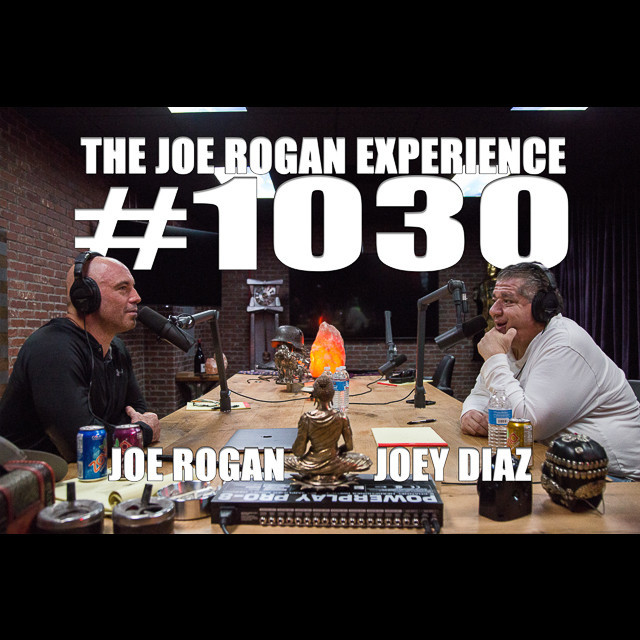
Podcast Topics: #1030 – Joey Diaz
This podcast episode, featuring comedian Joey Diaz, dives into a range of topics from the bizarre world of Supreme streetwear and the opiate epidemic to the excesses of Hollywood and the enduring allure of the Godfather. Diaz’s provocative and often irreverent commentary unveils deep underlying themes about human nature, the pursuit of success, and the power of personal transformation.
1. Supreme Streetwear: A Cultural Phenomenon
- The podcast explores the unexpected rise of Supreme, a streetwear brand that sells everyday objects like bricks and shovels with their logo, prompting Joe Rogan’s disbelief.
- Diaz highlights the “parody” element of Supreme, where people are buying into the brand’s irony and exclusivity, leading to 3-4 day lines and reselling for exorbitant prices.
- The discussion delves into the cultural context of Supreme’s popularity, associating it with a generation who spend more time indoors and less time engaging in traditional activities.
- Diaz critiques the consumerist nature of Supreme, contrasting it with genuine appreciation for historical objects and highlighting the emptiness of chasing material possessions.
2. Addiction and Recovery: A Personal Journey
- Diaz shares his personal experience with overcoming addiction, detailing his struggles with cocaine and heroin and the hellish first two weeks of sobriety.
- He emphasizes the importance of psychological addiction, highlighting the comfort and familiar patterns associated with addiction, even amidst chaos.
- Diaz acknowledges the challenges of sobriety, particularly the 8:00 a.m. cocaine cravings, revealing the intense struggle to break free from established patterns of behavior.
- He credits his 10-year sobriety to a combination of personal determination, a supportive community, and the realization that a life beyond addiction is possible.
3. The Rise of Pill Culture: A Societal Dilemma
- Diaz expresses concern about the pervasive use of prescription drugs, including Adderall, Xanax, and antidepressants, among his social circle.
- He contrasts the overuse of these drugs with his own preference for marijuana, highlighting the different effects and the potential for awareness and compassion associated with cannabis.
- Diaz observes the disconnect between pill users and their children, highlighting the negative implications of dissociation on family dynamics.
- He raises questions about the drivers of pill culture, linking it to a focus on material possessions, a need for external validation, and a lack of genuine connection.
4. Studio 54: A Nightclub Legend
- Diaz reminisce about the legendary Studio 54 nightclub, highlighting its infamous atmosphere of excess, where people could “snorkel dance, get their dick sucked, and get their shoes shut” all in one night.
- The podcast explores the exclusive nature of Studio 54, where getting in was dependent on “hot chicks” and the presence of checks to ensure a favorable ratio of women to men.
- The discussion delves into the lasting legacy of Studio 54, highlighting the Sirius XM radio show and podcast that interview people who experienced the club, offering insight into the era’s wild times.
- Diaz reflects on the ephemeral nature of nightclub culture, where one club’s popularity eventually fades as new venues emerge, while the people involved seek to replicate success and stay relevant.
5. The Opioid Crisis: A National Tragedy
- Diaz raises concerns about the opioid epidemic, highlighting the devastating impact on individuals and communities.
- He shares his personal encounter with OxyContin, detailing how a small dose caused a drastic drop in blood pressure, leading him to immediately abandon the drug.
- Diaz expresses horror and incredulity that these powerful and addictive drugs are legal, citing the 60 Minutes report on the epidemic and the billions of dollars made by pharmaceutical companies from this crisis.
- The discussion highlights the stark reality of addiction, emphasizing how it can overtake even those with strong wills, such as Bas Rutten, and the urgent need for effective treatment and prevention strategies.
6. The Hollywood Culture of Pretense
- Diaz expresses disdain for the “new breed of gentile” in Hollywood who engage in empty conversations, using big words to impress rather than express genuine ideas.
- He critiques the performative nature of Hollywood, where people constantly audition, trying to project the right image and conform to perceived expectations of casting agents.
- Diaz observes the hypocrisy surrounding the Harvey Weinstein scandal, highlighting how people who knew about his abuse remained silent until his power waned.
- He also addresses the culture of sexual exploitation in Hollywood, suggesting that many women have experienced pressure and coercion from powerful figures, with the Harvey Weinstein case being just one example.
7. The Godfather: A Cinematic Masterpiece
- Diaz expresses his deep admiration for The Godfather, highlighting its cinematic excellence, particularly the use of sound and music to create powerful emotions.
- He reveals the fascinating behind-the-scenes story of The Godfather, including the struggles to secure funding and the controversy surrounding Marlon Brando’s casting and behavior during production.
- The podcast examines the impact of The Godfather on mafia movies, arguing that it set a standard of quality and realism, making it difficult to replicate the success of the franchise.
- Diaz appreciates The Godfather for its realistic depiction of the human experience, highlighting the intense emotions and adrenaline rush associated with violence and danger.
8. The Power of Personal Transformation
- Diaz reflects on the transformative power of his own journey, highlighting how overcoming addiction and embracing new challenges, such as yoga, have reshaped his life.
- He emphasizes the importance of setting goals and committing to them, even when they seem overwhelming, as it can lead to unexpected growth and personal discoveries.
- Diaz acknowledges the challenges of maintaining a healthy lifestyle, particularly when faced with temptations and the demands of a busy schedule, but he remains committed to taking care of himself and embracing a life of purpose.
- He encourages listeners to step outside of their comfort zones, experiment with new experiences, and never give up on their dreams, no matter how daunting they may seem.
9. The Legacy of Richard Pryor: A Comedy Icon
- Diaz expresses his deep admiration for Richard Pryor, positioning him as the cornerstone of stand up comedy.
- He traces the evolution of comedy, starting with Lenny Bruce, who broke ground with social commentary, and then Pryor, who took that honesty to a new level, exposing his own vulnerability and experiences with drugs and racism.
- Diaz highlights Pryor’s influence on later comedians, including Eddie Murphy and Chris Rock, and his lasting impact on the world of comedy.
- He recalls his own early experiences with Pryor’s comedy, emphasizing how it inspired him to pursue a career in stand up and the lasting influence of Pryor’s work on his own approach to comedy.
10. The Importance of Community and Support
- Diaz highlights the importance of having a supportive community, crediting his friends and fellow comedians for helping him through difficult times.
- He recalls how Paul Mooney gave him a much-needed boost of confidence during a difficult period in his career, underscoring the impact of validation and encouragement from respected figures.
- Diaz emphasizes the role of mutual influence and inspiration among comedians, highlighting how watching other comedians succeed motivates him to push himself further.
- He acknowledges the importance of having a sense of belonging and connection, especially when faced with challenges and obstacles in life.
11. The Importance of Finding Your Own Path
- Diaz highlights the diversity of paths that lead to success in comedy, emphasizing that there is no one size-fits-all formula.
- He shares his own journey, which started with a desire to escape a difficult life and avoid a day job.
- Diaz encourages aspiring comedians to embrace their uniqueness and find their own voice, rather than trying to imitate others.
- He emphasizes the importance of dedication, persistence, and a willingness to put in the work to achieve success in this highly competitive field.
12. The Dark Side of Hollywood
- Diaz shares his personal experiences with the darker side of Hollywood, describing the insecurity and pretense that permeate the industry.
- He critiques the culture of casting agents who exert their power over aspiring actors and the often demeaning nature of auditions.
- Diaz reveals how he was once almost fired from a sitcom for his lack of filter and his willingness to call out bad writing, highlighting the pressure to conform to industry expectations.
- He suggests that many actors are driven by a need for attention and validation, stemming from early experiences of neglect or abuse, and that this desire can fuel a culture of insecurity and pretense.
13. The Importance of Personal Strength and Resilience
- Diaz shares a powerful story about his confrontation with a man who held a box cutter to his throat at age 19, revealing the intensity of his fear and the instinct to fight back.
- He details his training with a Vietnam vet who taught him how to use weapons and the decision to use this knowledge to confront his abuser.
- Diaz vividly describes the physical and emotional impact of his confrontation, highlighting how fear can be overpowering even in moments of victory.
- He emphasizes the importance of standing up for yourself and not allowing people to take advantage of you, even when it means facing difficult challenges.
14. The Power of Humor in Difficult Times
- Diaz uses his own life experiences to demonstrate the power of humor to cope with difficult situations.
- He recalls how he turned to comedy as a way to escape a life of crime and violence, and how it provided him with a sense of purpose and meaning.
- Diaz highlights the importance of finding laughter in the everyday, even when things are tough, and the ability of humor to connect people and create shared experiences.
- He acknowledges that his humor can be controversial and irreverent, but he believes in the power of pushing boundaries and challenging conventions through laughter.
15. The Importance of Being Yourself
- Diaz encourages listeners to be authentic and to embrace their true selves, rather than trying to fit in with societal expectations.
- He shares his own journey of self-discovery, highlighting how he learned to accept his flaws and to use his experiences to connect with others.
- Diaz emphasizes the importance of being true to yourself, even when it means being different or going against the grain.
- He believes that authenticity is essential for true happiness and fulfillment in life.
16. The Importance of Taking Risks
- Diaz highlights the risks associated with pursuing a career in comedy, particularly the lack of financial security and the uncertainty of success.
- He shares his own story of leaving Colorado and driving to Utah with only $69 in his pocket to pursue his comedy dreams, demonstrating the leap of faith required to make it in the industry.
- Diaz encourages listeners to take risks and to step outside of their comfort zones, as it can lead to unforeseen opportunities and personal growth.
- He believes that the reward of pursuing your passion outweighs the risks involved.
17. The Importance of Being Present
- Diaz emphasizes the importance of being present in the moment, rather than dwelling on the past or worrying about the future.
- He highlights the value of appreciating the little things in life, such as a good meal or a conversation with a loved one.
- Diaz encourages listeners to focus on what they can control, rather than getting caught up in things that are beyond their power.
- He believes that being present is essential for true happiness and fulfillment.
18. The Importance of Embracing Change
- Diaz shares his own experiences with change, highlighting how he has adapted to new challenges and opportunities throughout his life.
- He acknowledges that change can be difficult, but he believes that it is essential for growth and progress.
- Diaz encourages listeners to be open to new experiences and to embrace the unknowns that life throws their way.
- He believes that embracing change is essential for living a full and meaningful life.
19. The Importance of Being Kind to Yourself
- Diaz acknowledges his past mistakes and the impact they had on his life, but he also expresses a sense of forgiveness and self-acceptance.
- He encourages listeners to be kind to themselves and to learn from their mistakes, rather than dwelling on them.
- Diaz believes that self-compassion is essential for personal growth and healing.
- He emphasizes the importance of acknowledging that everyone makes mistakes and that it is possible to move on and create a better future.
20. The Importance of Finding Your Tribe
- Diaz emphasizes the power of finding your tribe and surrounding yourself with people who support you.
- He speaks about the importance of having friends who understand you and who can help you through difficult times.
- Diaz acknowledges that finding your tribe can be challenging, but he believes that it is essential for living a happy and fulfilling life.
- He encourages listeners to seek out communities and relationships that nurture their growth and well-being.
Memorable Quotes:
- “You gotta give a fuck. You gotta give a fuck.”
- “I’m gonna wait a line for an hour for a fucking break. Like I said, supreme crowbar. They sell a crowbar. Yeah. So they Krober, we just have, like, the name Supreme on it.”
- “I didn’t wanna do it. Like, I didn’t need to do it. Like, I didn’t feel I just wanna do it. But it was just something to do. Like, it was just something to do. Wow. It was just something to do.”
- “It’s like you’re saying, you ever go to people’s houses and they talk and then they say, ship for 20 minutes daylight light. It’s like by studio studio where I live. Go to that coffee shop in time to time. You know what they were saying in there? What? The day after the Vegas shooter.”
- “I’m not gonna let the church bully them or Scientology bully them into believing that they made it up.”