12/2/2016
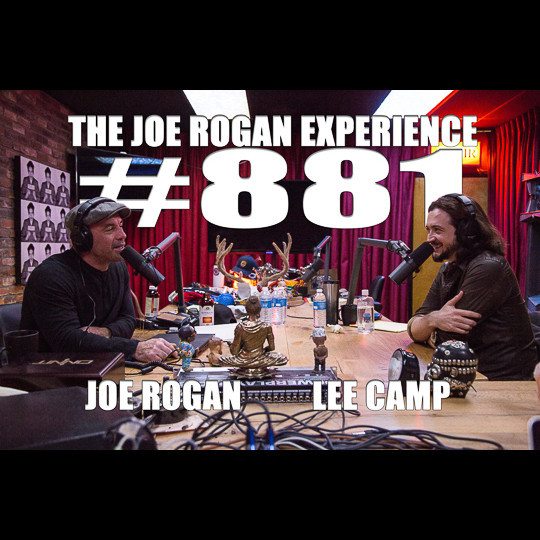
Joe Rogan Podcast #881 – Lee Camp
This podcast features comedian, writer, and activist Lee Camp, known for his satirical news show “Redacted Tonight.” Rogan and Camp engage in a wide-ranging conversation, touching on topics from the political climate to societal issues. Their humorous banter often dives into provocative and controversial subjects, leading to a discussion about the absurdity of modern-day politics and the power of individual responsibility.
1. Alex Jones, Conspiracy Theories, and the Role of Humor:
- Rogan and Camp discuss their relationship with Alex Jones, host of InfoWars, who is known for promoting conspiracy theories.
- They emphasize that they like Jones as a person, recognizing his humor and passion for his beliefs. However, they acknowledge the potential for harm in spreading misinformation.
- The conversation explores the line between satire and genuine belief, highlighting the difficulty in discerning fact from fiction in an increasingly polarized media landscape.
- They delve into the impact of Jones’s inflammatory rhetoric, particularly in a time when misinformation can easily spread online.
2. The “Full Asshole” Door and the Impact of Political Leadership:
- Camp and Rogan analyze the cultural impact of Trump’s presidency, suggesting that his abrasive style has emboldened individuals to act out in hateful and intolerant ways.
- They believe that Trump, through his rhetoric and actions, has normalized behaviors that were previously considered unacceptable.
- The conversation explores the delicate balance between freedom of speech and the potential for harmful consequences stemming from unchecked discourse.
- They discuss the importance of confronting racism and xenophobia, highlighting the need for societal change to combat these issues.
3. The Media’s Role in Legitimizing Conspiracy Theories and Misinformation:
- Camp criticizes mainstream media for amplifying and legitimizing conspiracy theories, citing examples like the “Jews are people?” debate.
- He argues that giving a platform to fringe views can create the illusion of legitimacy, further dividing society.
- The discussion delves into the impact of biased reporting and the role of social media in spreading misinformation.
- They examine the power of “fake news” and its ability to influence public opinion, raising concerns about the erosion of trust in traditional media.
4. The Implications of Autonomous Vehicles and Technological Advancement:
- Camp and Rogan discuss the potential impact of self-driving cars, emphasizing their potential to eliminate jobs in the transportation industry.
- They debate the ethical implications of replacing human drivers with AI, considering safety concerns and the future of work.
- The conversation explores the possibility of a future where technology replaces human labor, prompting a discussion about social safety nets and income inequality.
- They question the role of government regulation and the potential for technology to create new opportunities.
5. The Provocateur Effect and the Manipulation of Public Discourse:
- Camp highlights the phenomenon of “provocateurs,” individuals who intentionally incite violence or chaos to further an agenda.
- He discusses examples like the Seattle WTO protests and the Standing Rock pipeline conflict, where infiltrators may have fueled violence.
- The conversation delves into the use of false narratives and propaganda to manipulate public opinion and create divisions.
- They examine the role of government agencies and corporations in influencing public discourse, prompting a discussion about transparency and accountability.
6. The Overpopulation Crisis and the Need for Sustainable Solutions:
- Camp and Rogan discuss the growing global population and its impact on the environment and resources.
- They examine the ethical implications of population control measures and the need for sustainable solutions.
- The conversation explores the tension between individual freedoms and the collective responsibility to protect the planet.
- They highlight the need for innovation and technological advancements to address the challenges of overpopulation.
7. The Power of Individual Responsibility and the Role of Government:
- Camp and Rogan emphasize the importance of personal responsibility, particularly in raising children and making informed choices.
- They discuss the impact of bad parenting and the need for greater accountability in shaping responsible citizens.
- The conversation explores the limitations of government intervention and the importance of individual agency.
- They argue for a more proactive approach to addressing societal problems, emphasizing the need for systemic change.
8. The “Sociopath Test” and the Potential for Ethical Leadership:
- Camp proposes a “sociopath test” for individuals in positions of power, arguing that sociopaths may be more likely to rise to the top.
- The conversation delves into the complexities of defining sociopathy and the difficulty in assessing emotional intelligence in leaders.
- They discuss the potential for manipulation and the need for ethical considerations in selecting leaders.
- They examine the role of empathy and compassion in leadership, highlighting the importance of human connection.
9. The “Deep State” and the Influence of Corporations on Government:
- Camp and Rogan discuss the concept of the “deep state,” a hidden network of individuals believed to wield power behind the scenes.
- They explore the influence of corporations on government policy and the potential for corruption within institutions.
- The conversation examines the role of lobbyists and special interests in shaping legislation.
- They question the transparency of government and the need for greater public scrutiny.
10. The Impact of the Media on Public Perception and the Rise of “Citizen Journalism”:
- Camp and Rogan discuss the power of media to shape public opinion and the challenges of finding reliable information.
- They examine the influence of biased reporting and the rise of “fake news,” emphasizing the need for critical thinking.
- The conversation explores the importance of citizen journalism and social media in challenging mainstream narratives.
- They discuss the role of the internet in disseminating information and empowering individuals to shape public discourse.
11. The Role of Law Enforcement and the Need for Police Reform:
- Camp and Rogan discuss the challenges facing law enforcement, highlighting instances of police brutality and the need for accountability.
- They analyze the systemic problems within law enforcement and the need for reform, particularly in addressing racial bias and excessive force.
- The conversation examines the role of the justice system and the need for greater transparency and oversight.
- They discuss the importance of de-escalation techniques and the need for a more compassionate approach to law enforcement.
12. The Controversy of the Dakota Access Pipeline and the Fight for Environmental Justice:
- Camp and Rogan discuss the Dakota Access Pipeline protests, highlighting the environmental concerns and the rights of Native American tribes.
- They explore the use of excessive force by law enforcement against protestors and the lack of accountability for corporate actions.
- The conversation examines the fight for environmental justice and the importance of protecting natural resources.
- They discuss the role of corporations in exploiting resources and the need for greater transparency and regulation.
13. The Impact of Factory Farming and the Need for Ethical Consumption:
- Camp and Rogan discuss the unethical practices prevalent in factory farming, highlighting the abuse of animals and the potential for public health risks.
- They examine the overuse of antibiotics and the emergence of antibiotic-resistant bacteria.
- The conversation explores the ethical implications of animal agriculture and the need for alternative food sources.
- They discuss the importance of conscious consumerism and making ethical choices about the food we eat.
14. The Absurdity of Modern-Day Politics and the Need for Change:
- Camp and Rogan engage in a humorous analysis of the current political landscape, highlighting the absurdity of political rhetoric and the disconnect from reality.
- They discuss the influence of money in politics and the role of special interests in shaping policy.
- The conversation explores the need for reform in the political system and the importance of engaging in civic discourse.
- They emphasize the importance of holding elected officials accountable and demanding transparency.
15. The Importance of Laughter and Finding Humor in the Face of Chaos:
- Camp and Rogan discuss the power of humor as a coping mechanism in a world filled with chaos and uncertainty.
- They highlight the importance of finding moments of levity amidst difficult times.
- The conversation explores the role of humor in social commentary and its ability to challenge authority.
- They argue that laughter can be a powerful tool for social change, fostering connection and promoting critical thinking.
5 Memorable Quotes:
- “I love him. I love him. I don’t care what anybody says about him being crazy. Alex Jones is my friend, and I love that guy. He’s a big sweet teddy bear. He’s a super nice guy.” – Rogan on Alex Jones.
- “It’s not Trump’s fault, but it’s there’s a reality of being the person who’s setting the tone the way the country thinks of itself. Right?” – Camp on the influence of political leadership.
- “You just made this a legitimate discussion. That’s right. Instead yeah. Instead of just ignoring it. Instead, they’re like, hey. Let’s have a panel to discuss. Doo juice smell funny? It’s a huge legitimize this shit if Jews are people.” – Camp on the media’s role in legitimizing conspiracy theories.
- “All I’m saying is we all agree that part of the problem is people get raised by horrible, awful people who abuse them and beat them and rape them and they’re subjected to all sorts of horrible shiters are growing up, and they develop all fucked up.” – Camp on the cycle of abuse and its impact on society.
- “It’s just it’s on a East reality joke. Yep. What the fuck leap champ? I’ve gone off the rail. I was gonna say something. I caught you totally derailed, man.” – Rogan and Camp laughing at the absurdity of their conversation.