9/6/2017
“`html
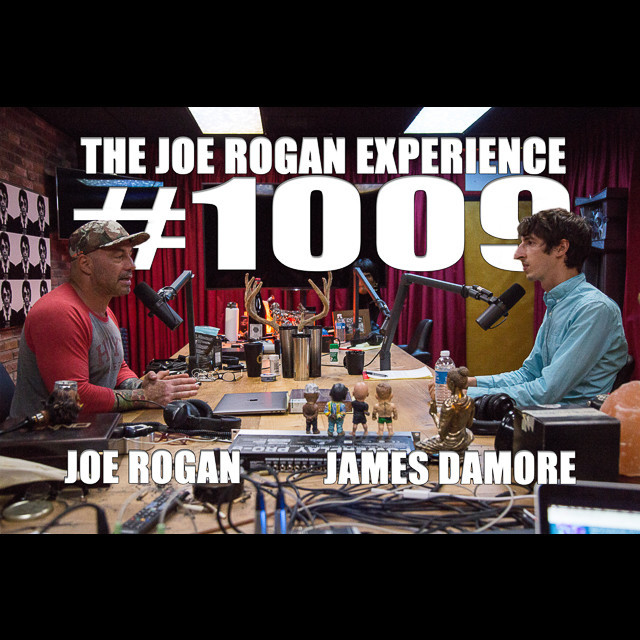
This podcast delves deep into the controversy surrounding James Damore, a former Google engineer who was fired after his internal memo criticizing the company’s diversity policies went viral. Damore’s memo sparked a heated debate about the role of biology, culture, and unconscious bias in the tech industry’s gender gap. The conversation explores the complexities of diversity initiatives, the limitations of “don’t be evil” mottos, and the potential for ideological echo chambers to stifle dissent.
Provocative topics include Damore’s perspective on the gender gap in tech, the effectiveness of diversity programs, the dangers of unconscious bias training, the accusations of sexism and racism against Damore, and the role of political ideology in tech companies. Underlying themes explore the intersection of science and social justice, the dangers of groupthink, the limitations of “don’t be evil” corporate mottos, and the potential for censorship and blacklisting in the tech industry.
Major Topics:
- Damore’s Memo and its Criticism
- Damore wrote a memo challenging the idea that the tech industry’s gender gap was solely due to sexism.
- He argued that biological differences, cultural factors, and unconscious biases also play a role.
- The memo went viral, sparking intense criticism from many who accused Damore of sexism and racism.
- Damore was fired by Google, who stated that the memo violated the company’s code of conduct.
- Diversity Initiatives and their Effectiveness
- Damore expressed concerns about the effectiveness of diversity initiatives at Google.
- He argued that the focus on achieving specific demographic quotas could lead to reverse discrimination.
- He pointed to studies suggesting that diversity programs can create negative stereotypes.
- Damore advocated for a meritocratic approach, arguing that hiring the best candidates, regardless of background, is the most effective way to achieve diversity.
- Unconscious Bias Training and its Impact
- Damore criticized Google’s unconscious bias training programs.
- He argued that the programs were based on the assumption that all white people are inherently racist.
- He argued that the programs could lead to increased sensitivity and self-censorship.
- Damore pointed out that the programs rarely addressed biases against white people.
- The Role of Political Ideology in Tech Companies
- Damore argued that tech companies have a strong left-leaning bias.
- He claimed that dissent from this ideology is often silenced or punished.
- Damore suggested that this bias can create an ideological echo chamber, where different perspectives are not welcome.
- He warned about the potential for blacklisting and censorship of those who do not conform to the dominant ideology.
- The Limits of “Don’t be Evil” Mottos
- Damore questioned the effectiveness of Google’s “Don’t be Evil” motto.
- He argued that the motto has been interpreted as “don’t disagree with us” and has become a tool for silencing dissent.
- He suggested that the motto has been used to justify censorship and blacklisting of those with different ideologies.
- Damore argued that the focus on diversity has come at the expense of intellectual freedom.
- The Science of Gender Differences
- Damore referenced scientific studies on gender differences in personality traits, interests, and career choices.
- He argued that these differences, while not absolutes, can help explain the underrepresentation of women in tech.
- He emphasized that his memo was not intended to be sexist or to diminish the capabilities of women.
- He advocated for a more nuanced understanding of gender differences and for a focus on creating a welcoming environment for all.
- The Dangers of Groupthink and Ideological Echo Chambers
- Damore expressed concern about the dangers of groupthink and ideological echo chambers in tech companies.
- He argued that these echo chambers can stifle dissent and prevent the exploration of alternative perspectives.
- He warned that this can lead to a lack of critical thinking and a bias against those who do not conform.
- Damore urged for greater intellectual freedom and for a more open and inclusive dialogue on sensitive topics.
- The Role of Censorship and Blacklisting
- Damore claimed that he was blacklisted by many tech companies after his memo was leaked.
- He argued that this was evidence of a deliberate effort to silence those who challenge the dominant ideology in tech.
- He alleged that there are secret blacklists of individuals who are considered too conservative or libertarian.
- He expressed concern about the chilling effect this has on intellectual freedom and open discourse.
- The Importance of Open Dialogue and Intellectual Freedom
- Damore emphasizes the importance of open dialogue and intellectual freedom in all aspects of society, particularly in the tech industry.
- He argues that we should be able to discuss controversial topics without fear of censorship or retribution.
- He believes that we should strive for a more nuanced and less ideological approach to these issues.
- He highlights the dangers of silencing dissenting voices and the importance of fostering a culture of open and respectful debate.
- The Future of Diversity and Inclusion
- Damore expresses hope for a future where diversity initiatives are less focused on quotas and more on creating a welcoming environment for all.
- He advocates for a more nuanced understanding of gender differences and for a focus on creating a meritocratic system where the best candidates are chosen, regardless of background.
- He believes that a more open and less ideological approach to these issues is essential for the advancement of science and society as a whole.
- He acknowledges that the path to greater diversity and inclusion will be long and challenging, but believes that it is a goal worth striving for.
Memorable Quotes
- “It seems like in the interest of promoting an image of diverse, they’re willing to bypass science and the truth and the reality of culture, the reality of human biology, and Evolutionary Psychology.”
- “They’re just assuming you’re guilty. Pretty much. Because in some because you’re white.”
- “That’s a very recent redefinition of the term racism, but it’s very slippery, very dangerous. Because you could see it as, you know, promoting in in fact, like, exonerating racism towards other ethnicities or towards white people or towards people that you feel like are in a privileged class.”
- “I think it’s better. To be leaning incorrectly in that direction than to go the other way.”
- “It’s not I I like, again, even though I’m a white man, I really feel like it’s leaning better that we’re shitting on white man than you know, if it was the other way, if we were shitting on minorities. Yeah. I mean, it would be very disturbing. If an enormous company like Google was going, well, let’s just Let’s be honest, Puerto Rican’s related. You know, like, whoa.”
“`