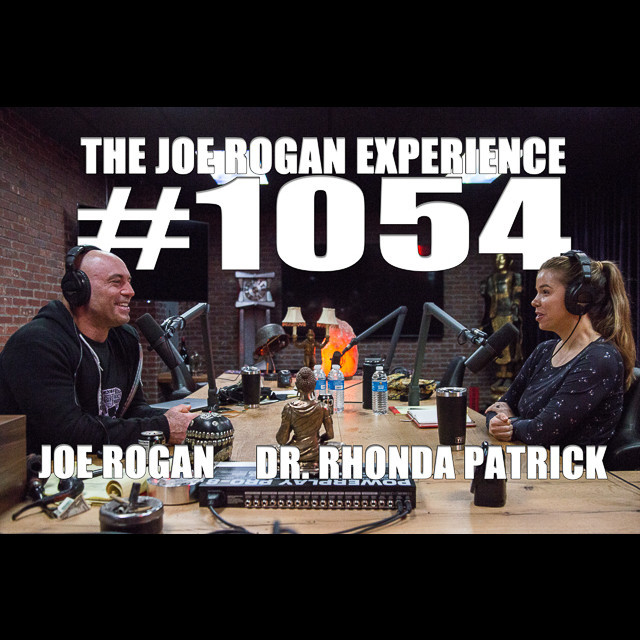
12/18/2017
https://open.spotify.com/episode/3JGuLUtsJ32YBA7qI6IcsO
This podcast explores the fascinating world of nutrition, epigenetics, and optimizing health with renowned biomedical scientist and expert on nutritional health, Dr. Rhonda Patrick. The conversation covers a wide range of topics, including the impact of diet and lifestyle on fetal development, the importance of breastfeeding, the benefits of exercise, the complex relationship between genes and diet, and the emerging field of microbiome research.
Podcast Topics
1. The Transformative Power of Motherhood
- Dr. Patrick shares her personal experience with becoming a mother, highlighting the profound emotional and psychological shift that occurs.
- She describes how motherhood transformed her priorities and outlook on life, emphasizing the overwhelming love and protective instincts that accompany it.
- Dr. Patrick discusses the unique challenges of new motherhood, particularly the sleep deprivation and the demanding nature of caring for a child.
- She acknowledges the significant change in perspective, recognizing the growth and development that individuals experience as they become parents.
2. The Power of Epigenetics in Shaping Fetal Development
- Dr. Patrick dives into the concept of epigenetics, explaining how lifestyle choices, beyond genetic inheritance, can significantly impact the health and development of a child.
- She cites studies showing how a father’s obesity, before conception, can influence the epigenetic landscape of sperm DNA, potentially impacting the offspring’s cognitive and metabolic health.
- Dr. Patrick underscores the importance of optimizing health before conceiving, highlighting the potential for parents to positively shape the future of their child through their own lifestyle choices.
- She emphasizes that while a child can modify their own epigenetics through their own diet and lifestyle, the baseline inherited from parents plays a crucial role in their starting point.
3. The Remarkable Benefits of Breastfeeding
- Dr. Patrick outlines the numerous advantages of breastfeeding, focusing on the unique components of breast milk that support infant development.
- She discusses human milk oligosaccharides (HMOs), complex sugars that primarily feed the beneficial bacteria in an infant’s gut, contributing to immune system development and protection against pathogens.
- Dr. Patrick highlights the presence of mammary stem cells in breast milk, which have been shown in animal studies to migrate to various organs and contribute to cell regeneration and repair.
- She acknowledges the challenges of breastfeeding, especially in the early weeks, and emphasizes the importance of support for new mothers to overcome difficulties and reap the benefits of this natural process.
4. The Importance of Exercise for Brain Health and Stress Management
- Dr. Patrick stresses the crucial role of exercise in maintaining brain health and mitigating stress, highlighting the protective effects on the hippocampus, a brain region crucial for memory and learning.
- She explains how exercise can increase serotonin production, reduce the competition for tryptophan in the brain, and promote the growth of new neurons, contributing to mood regulation and cognitive function.
- Dr. Patrick shares her personal experience with the benefits of running and high-intensity interval training (HIIT), emphasizing the transformative impact on her physical and mental wellbeing.
- She highlights the importance of a balanced approach, integrating both aerobic and strength training, and encourages listeners to find exercise modalities that suit their individual preferences and needs.
5. The Delicate Balance of Epigenetics, Nutrition, and Individual Variability
- Dr. Patrick explores the intricate interplay between genes, diet, and individual responses, emphasizing that there is no one-size-fits-all approach to nutrition.
- She cites studies demonstrating that genetic variations, like APOE4, can influence how individuals metabolize fats, process cholesterol, and respond to different dietary interventions.
- Dr. Patrick underscores the importance of personalized approaches to nutrition, encouraging listeners to explore their own genetic makeup and consider how it might affect their dietary choices.
- She encourages listeners to monitor their biomarkers and seek guidance from qualified healthcare professionals to tailor their diets to their unique needs and genetic predispositions.
6. The Profound Impact of Refined Sugar on Health
- Dr. Patrick debunks the misconception that consuming fruit juice is equivalent to consuming a sugary beverage, highlighting the importance of fiber in regulating glucose response.
- She discusses the detrimental effects of refined sugar on lipid profiles, particularly its role in increasing small, dense LDL particles, which are associated with an elevated risk of cardiovascular disease.
- Dr. Patrick emphasizes that refined sugar consumption can have negative consequences for other aspects of health, including testosterone levels, telomere length, and brain function.
- She encourages listeners to prioritize a diet rich in whole, unprocessed foods and minimize their intake of refined sugars to optimize their health and well-being.
7. The Gut Microbiome as a Major Influencer of Health
- Dr. Patrick explores the significance of the gut microbiome, emphasizing its crucial role in shaping immune function, influencing metabolism, and even impacting mental health.
- She highlights the importance of consuming sufficient fermentable fiber from plants to nourish the beneficial bacteria in the gut and prevent the overgrowth of harmful bacteria.
- Dr. Patrick delves into the gut-brain axis, discussing the communication pathways between the gut and the brain, highlighting how the microbiome can affect mood, cognition, and overall wellbeing.
- She encourages listeners to prioritize a diet rich in diverse plant-based foods to support a healthy gut microbiome and promote optimal health.
8. The Role of Diet in Autoimmune Diseases and Autism Spectrum Disorders
- Dr. Patrick discusses the potential link between pro-inflammatory diets and the development of autoimmune disorders, highlighting the importance of managing inflammation through dietary choices.
- She examines the complex relationship between diet, the gut microbiome, and autism spectrum disorders, underscoring the need for further research to understand these connections.
- Dr. Patrick emphasizes the multifaceted nature of autism spectrum disorders, attributing them to various contributing factors, including genetics, maternal age, and environmental exposures.
- She encourages listeners to adopt a balanced and informed approach to nutrition and lifestyle choices, acknowledging the importance of managing inflammation and supporting a healthy gut microbiome as potential strategies to optimize overall health and well-being.
9. The Emerging Field of Microbiome Transplants
- Dr. Patrick delves into the exciting field of microbiome transplantation, discussing its potential to rejuvenate health and extend lifespan, citing studies in fish and other animals.
- She explains the possible mechanisms behind these effects, suggesting that the microbiome plays a crucial role in regulating immune function and influencing blood cell production.
- Dr. Patrick highlights the ongoing research and development of microbiome transplantation techniques for human applications, emphasizing its potential for addressing a range of health conditions.
- She underscores the need for further research to understand the long-term effects and ethical considerations of microbiome transplantation.
10. The Intricacies of NAD+ and Its Potential for Anti-aging
- Dr. Patrick discusses the essential role of NAD+ in cellular metabolism, highlighting its involvement in energy production, DNA repair, and various other processes.
- She explains how NAD+ levels decline with age, contributing to a range of age-related health issues.
- Dr. Patrick explores the potential of nicotinamide riboside, a supplemental form of NAD+, to increase NAD+ levels in the body and promote healthy aging.
- She emphasizes the need for further research to fully understand the benefits and potential risks of NAD+ supplementation.
11. The Importance of Critical Thinking and Evidence-based Approaches to Health
- Dr. Patrick stresses the importance of critical thinking and evidence-based approaches to health, urging listeners to evaluate information from multiple sources and consider the quality of the evidence.
- She cautions against relying solely on anecdotal evidence and highlights the need for rigorous scientific research to support health claims.
- Dr. Patrick encourages listeners to be wary of clickbait headlines and to delve deeper into complex topics, seeking information from reputable sources.
- She emphasizes the importance of personalizing health interventions, taking into account individual needs, genetic variations, and overall lifestyle choices.
12. The Potential Benefits of Time-Restricted Eating
- Dr. Patrick discusses the potential benefits of time-restricted eating, where individuals limit their eating window to a specific timeframe, typically 8 to 10 hours per day.
- She highlights how this approach can promote healthy insulin response, increase the production of ketone bodies, and potentially improve mitochondrial function, contributing to overall health and longevity.
- Dr. Patrick acknowledges that the long-term effects and individual variability in response to time-restricted eating require further investigation.
- She encourages listeners to explore this approach, monitor their biomarkers, and consider whether it might be a suitable strategy for their health goals.
13. The Importance of Choosing High-Quality Supplements
- Dr. Patrick warns about the risks of low-quality supplements, highlighting the potential for contamination and inconsistencies in content.
- She recommends Thorne Research as a reputable supplement company, citing her personal experience with their products and the endorsement from trusted colleagues.
- Dr. Patrick encourages listeners to look for supplements with NSF (National Sanitary Foundation) certification, suggesting that they are more likely to be manufactured under high-quality standards.
- She emphasizes the importance of researching supplement companies and products thoroughly, prioritizing those that are backed by scientific evidence and manufactured under rigorous quality control.
14. The Role of Exercise in Cancer Prevention and Overall Health
- Dr. Patrick highlights the strong association between physical activity, particularly strength training, and a reduced risk of all-cause mortality and cancer-related mortality.
- She explains how exercise can influence IGF-1 levels, a growth factor that can promote the growth of cancer cells, suggesting that a balanced approach, incorporating exercise and a healthy diet, may mitigate this risk.
- Dr. Patrick discusses the potential benefits of specific exercises, like Hindu squats, for enhancing leg strength and potentially improving cognitive function, underscoring the connection between physical fitness and brain health.
- She encourages listeners to incorporate a regular exercise routine into their lives, emphasizing its vital role in promoting overall health, longevity, and well-being.
15. The Impact of Running Shoe Design on Foot Health
- Dr. Patrick discusses the impact of running shoe design on foot health, highlighting the potential negative consequences of traditional running shoes with elevated heels.
- She emphasizes the importance of minimalist shoes, like Vibrams, which encourage natural foot mechanics and strengthen foot muscles, potentially reducing the risk of plantar fasciitis and other foot injuries.
- Dr. Patrick acknowledges that transitioning to minimalist shoes requires a gradual adaptation period, advocating for a slow and steady approach to avoid injury.
- She encourages listeners to consider their running style, the terrain they run on, and their individual needs when choosing running shoes, prioritizing footwear that promotes natural foot movement and supports overall foot health.
16. The Fascinating Field of Young Blood Transplants
- Dr. Patrick explores the controversial field of young blood transfusions, citing research in animals demonstrating its potential to rejuvenate organs and extend lifespan.
- She discusses the ongoing research in humans, highlighting the emerging company Ambrosia, which offers young blood transfusions at a significant cost.
- Dr. Patrick acknowledges the lack of conclusive evidence and the ethical considerations surrounding this practice.
- She encourages listeners to approach this topic with caution, emphasizing the importance of relying on sound scientific research and responsible clinical trials before engaging in such interventions.
17. The Potential of Microbiome Transplants for Health
- Dr. Patrick discusses the promising potential of microbiome transplants, citing studies in fish showing that transplanting the microbiome from young fish to older fish can extend lifespan.
- She highlights the emerging field of fecal microbiota transplantation (FMT) in humans, which has shown promise for treating conditions like irritable bowel syndrome (IBS).
- Dr. Patrick emphasizes the need for further research to fully understand the mechanisms and long-term effects of microbiome transplantation.
- She encourages listeners to stay informed about this developing field, acknowledging its potential for revolutionizing healthcare and promoting optimal health.
18. The Importance of Diet in Optimizing Health and Well-being
- Dr. Patrick underscores the importance of a balanced and nutrient-rich diet, emphasizing the role of whole, unprocessed foods in supporting overall health and longevity.
- She encourages listeners to consider their individual needs and genetic variations when making dietary choices, advocating for a personalized approach to nutrition.
- Dr. Patrick emphasizes the importance of minimizing refined sugars and processed foods, highlighting their detrimental effects on various aspects of health.
- She encourages listeners to seek guidance from qualified healthcare professionals and to monitor their biomarkers to ensure that their dietary choices are aligned with their health goals.
19. The Power of Hormesis in Optimizing Health
- Dr. Patrick discusses the concept of hormesis, explaining how mild stressors can trigger beneficial adaptations in the body, promoting resilience and longevity.
- She highlights how exercise, fasting, and even exposure to certain compounds can induce hormetic responses.
- Dr. Patrick emphasizes the importance of finding a balance between challenging the body and allowing it to recover, advocating for a balanced approach to health optimization.
- She encourages listeners to explore different hormetic strategies, such as intermittent fasting, cold therapy, and moderate exercise, and to monitor their response to these interventions.
20. The Importance of Continuing to Learn and Adapt
- Dr. Patrick emphasizes the importance of maintaining an open mind and a willingness to adapt as new scientific discoveries emerge.
- She acknowledges that our understanding of health and nutrition is constantly evolving, urging listeners to embrace a lifelong learning journey.
- Dr. Patrick encourages listeners to stay informed about the latest research and to approach health interventions with a critical and evidence-based approach.
- She emphasizes the power of personal responsibility in optimizing health, encouraging listeners to take an active role in managing their well-being and making informed choices that align with their health goals.
5 Memorable Quotes
- “The process of getting pregnant and having this person growing inside of me, just the whole thing was amazing.”
- “Just by whether or not you’re taking care of your own body, you can literally change the future of your child.”
- “I think people would get more motivated if they’re like, ‘Wow, I can affect my future child’s risk for type 1 diabetes or for, you know, how well their IQ is, how well they’re performing on learning and memory tests.'”
- “It’s really not easy for everyone. There’s all sorts of problems that women have.” (referring to breastfeeding)
- “We’re still figuring out all those nuances. And so, you know, even even getting the data, having the person interpreted, you know, it’s constantly evolving.”