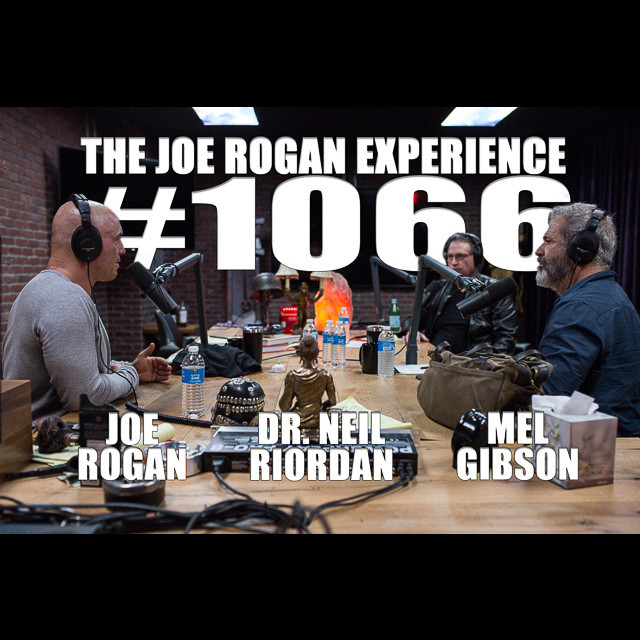
1/17/2018
This podcast delves deep into the world of stem cell therapy, exploring its potential benefits and the ongoing controversy surrounding its legality and accessibility. Mel Gibson, a passionate advocate for stem cell treatment, shares his personal experience with Dr. Neil Riordan, a pioneer in the field. Provocative topics include the FDA’s regulation of stem cell therapies, the ethical sourcing of cells, and the potential for stem cells to address various medical conditions, including autoimmune diseases, spinal cord injuries, and heart failure. Underlying themes explore the struggle for innovation in the medical field, the clash between traditional and alternative treatments, and the ethical considerations surrounding emerging medical technologies.
Podcast Topics:
1. Mel Gibson’s Personal Journey with Stem Cell Therapy:
- Mel Gibson’s father, at 92 years old, was facing multiple health challenges, including hip pain and organ issues. Traditional medical interventions were deemed too risky due to his age.
- Gibson’s brother suggested exploring adult stem cell therapy as an alternative.
- After initially being skeptical, Gibson sought information and ultimately decided to pursue stem cell treatment for his father in Panama, where it was legally allowed.
- Gibson’s father experienced significant improvements after receiving stem cell therapy, regaining mobility and seeing improvements in his overall health.
2. Dr. Neil Riordan’s Expertise in Stem Cell Research:
- Dr. Riordan is a pioneer in applied stem cell research, focusing on mesenchymal stem cells (MSCs) derived from umbilical cord blood.
- He founded Cell Medicine, a clinic in Panama specializing in stem cell therapy.
- Riordan emphasizes the use of high-quality, ethically sourced umbilical cord MSCs, which he believes are superior to bone marrow MSCs.
- Riordan highlights the unique properties of MSCs, including their ability to modulate the immune system, reduce inflammation, and stimulate regeneration.
3. The FDA’s Regulation of Stem Cell Therapies:
- Stem cell therapy is currently not broadly available in the United States due to the FDA’s classification of it as a “new drug,” requiring extensive and costly clinical trials.
- The FDA has been criticized for its strict regulation of stem cell therapies, which some argue hinders innovation and access to potentially life-changing treatments.
- Riordan expresses concern that the FDA’s stance may be overly cautious, potentially delaying the widespread adoption of safe and effective stem cell therapies.
- The podcast highlights the contrasting regulatory environments in other countries, such as Canada, New Zealand, South Korea, and Japan, where stem cell therapy is more readily available.
4. The Efficacy of Stem Cell Therapy for Various Conditions:
- The podcast discusses the potential benefits of stem cell therapy for a wide range of conditions, including autoimmune diseases (e.g., rheumatoid arthritis, multiple sclerosis), spinal cord injuries, autism, and heart failure.
- Riordan cites numerous clinical trials and case studies demonstrating the effectiveness of stem cell therapy for these conditions.
- The podcast emphasizes the anti-inflammatory properties of MSCs, which are believed to play a crucial role in their therapeutic effects.
- The podcast acknowledges that stem cell therapy is not a cure-all, but it offers a potential avenue for improving quality of life and addressing conditions with limited treatment options.
5. Ethical Considerations and Future Directions:
- The podcast touches on the ethical considerations surrounding stem cell therapy, including the source of cells, the potential for tumor formation, and the need for careful research and regulation.
- Riordan distinguishes between the use of adult stem cells, which he believes are generally safe and effective, and the use of embryonic stem cells, which have faced greater challenges due to tumor formation concerns.
- The podcast explores the ongoing research and development of stem cell therapies, including clinical trials for Duchenne’s muscular dystrophy and spinal cord injuries.
- Riordan expresses optimism about the future of stem cell therapy, suggesting that it may eventually become a standard of care for various chronic and degenerative diseases.
6. The Role of Diet and Gut Health:
- The podcast touches on the connection between gut health and overall well-being, highlighting the potential role of inflammation in various conditions, including autism.
- Riordan emphasizes the importance of addressing underlying gut issues before undergoing stem cell therapy, suggesting that optimizing gut health can enhance treatment outcomes.
- The podcast briefly explores the benefits of functional medicine approaches, such as dietary changes and heavy metal detoxification, in promoting gut health and overall well-being.
- The discussion points to the emerging understanding of the gut-brain connection and its implications for various health conditions.
7. The Experience of Stem Cell Therapy:
- Gibson and Riordan describe the experience of stem cell therapy, including the administration methods (IVs, injections), the potential side effects (flu-like symptoms, fatigue), and the recovery process.
- The podcast highlights the personal accounts of individuals who have undergone stem cell therapy, emphasizing the potential for dramatic improvements in their health and well-being.
- The podcast emphasizes the importance of individual responses to treatment, acknowledging that results can vary depending on factors such as the underlying condition, age, and overall health.
- The podcast encourages listeners to do their own research and consult with qualified medical professionals before pursuing stem cell therapy.
8. The Potential for Regenerative Medicine:
- The podcast explores the potential of stem cell therapy to revolutionize medicine, offering hope for addressing conditions currently considered incurable.
- Riordan highlights the ability of stem cells to stimulate regeneration of damaged tissues, potentially leading to new treatments for spinal cord injuries, heart failure, and other conditions.
- The podcast emphasizes the ongoing research and development in regenerative medicine, suggesting that this field has the potential to dramatically improve human health and longevity.
- The podcast encourages listeners to stay informed about advancements in regenerative medicine, as this field continues to evolve and offer new hope for a healthier future.
5 Memorable Quotes:
- “It was like he got a new lease of life. Like he got a big dose locally in the hip. Which fixed all his inflammation and pain, and he started walking again.” – Mel Gibson describes his father’s remarkable recovery after stem cell therapy.
- “The good thing about them is they tend to home to areas where there is inflammation. So intravenously, They do a lot of things and but they can home to areas of inflammation and and they they really reduce inflammation in the body.” – Dr. Riordan explains the unique homing properties of MSCs.
- “I think the model is a little bit antiquated for the cell products just because they are natural products. I mean, if you think about it, every woman that’s ever given birth to a baby, they have stem cells from their baby in them.” – Dr. Riordan challenges the FDA’s regulatory framework for stem cell therapies.
- “And they found that there are these 2 inflammatory molecules that are MDC and TARC, and they’re perfectly correlate with the severity of symptoms of autism.” – Dr. Riordan discusses the potential role of inflammation in autism.
- “I do. And and we have many cases that it’s already happened. Really? Yeah. Like what cases?” – Mel Gibson expresses his belief in the regenerative potential of stem cells for spinal cord injuries, prompting Dr. Riordan to share a case study.