1/30/2018
“`html
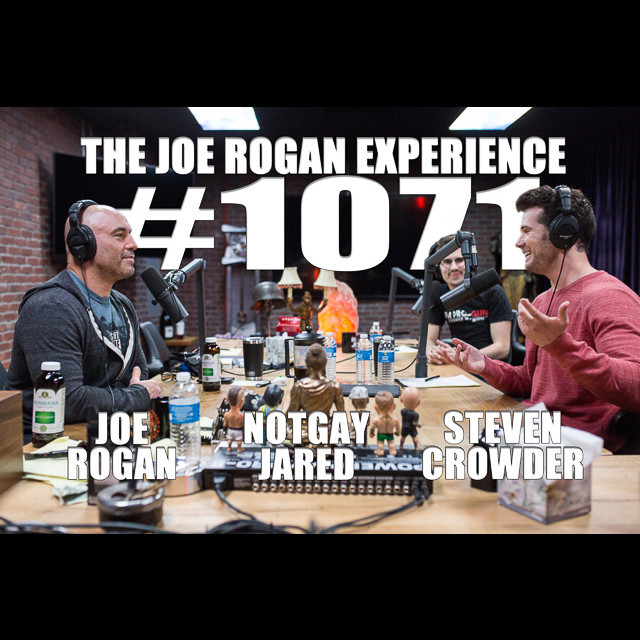
This podcast dives deep into the world of Steven Crowder, a conservative comedian and personality known for his online antics and confrontational style. It features his co-host “NotGay Jared” and explores a wide range of topics, from their experiences with YouTube’s content moderation policies to their undercover investigations into controversial social movements. This podcast exposes the tensions between free speech and censorship, the complexities of social justice activism, and the blurry lines between humor and hate speech. Provocative and controversial themes emerge, such as the dangers of political polarization, the double standards of online platforms, and the impact of radical ideologies on cultural discourse.
Here is a detailed breakdown of the key topics discussed in the podcast:
YouTube’s Content Moderation Policies: A Double Standard?
This podcast examines Crowder and NotGay Jared’s experiences with YouTube’s content moderation policies, highlighting what they perceive as a double standard and an agenda-driven approach to censorship. Crowder recounts a meeting with YouTube executives where conservatives were allegedly treated differently than their left-leaning counterparts. The podcast raises questions about the definition of “hate speech” and “offensive content,” arguing that the policies are arbitrary and applied inconsistently.
- Crowder criticizes YouTube for demonetizing conservative content while allowing content that promotes graphic and offensive material, like a video of women painting with period blood.
- He highlights the hypocrisy of YouTube’s guidelines, pointing out that they are vague and applied selectively, often targeting conservatives and those who challenge the dominant narrative.
- The podcast discusses the “community guidelines strike” system, where channels can be penalized for content that violates the rules, even if they believe it is protected under parody or satire.
- Crowder argues that YouTube’s censorship policies create an environment where certain ideologies are favored while others are suppressed, contributing to political polarization and the silencing of dissenting voices.
The Undercover Investigations: Exposing Controversial Movements
Crowder and NotGay Jared’s undercover investigations into controversial movements like Antifa and the transgender community generate a significant portion of the podcast’s discussion. They claim to have infiltrated these groups, capturing footage that they believe exposes their extremist tendencies and questionable tactics. The podcast delves into the ethical and legal complexities of these undercover operations, questioning the motives and methods of those involved.
- Crowder and NotGay Jared went undercover as a gay couple at a transgender town hall, recording videos that they claim show the questionable practices of some transgender activists, including the use of puberty blockers on young children.
- They infiltrated an Antifa group, capturing footage of members discussing violence and handing out weapons, which they believe supports their claims of Antifa’s extremist nature.
- The podcast raises concerns about the dangers of radical ideologies and the potential for violence, especially when these ideologies are accepted and even promoted by certain institutions and media outlets.
- Crowder’s undercover work has been controversial, with critics arguing that it is sensationalized and that it misrepresents the movements he targets. He counters by arguing that his investigations expose the truth and shed light on issues that are often ignored by mainstream media.
The Social Justice Debate: Is There a Double Standard?
The podcast delves into the broader social justice debate, focusing on what Crowder and NotGay Jared perceive as hypocrisy and double standards within the movement. They criticize the use of identity politics, the demonization of opposing viewpoints, and the silencing of dissenting voices. They argue that the movement has become increasingly intolerant and that its methods are counterproductive, ultimately hindering progress towards a more just society.
- Crowder and NotGay Jared discuss the use of the term “Nazi” to describe anyone who disagrees with the left-wing agenda, even those who have no connection to Nazi ideology.
- They point to instances where people have been attacked, threatened, or even physically assaulted for expressing dissenting viewpoints, highlighting the dangers of online harassment and the suppression of free speech.
- The podcast raises questions about the effectiveness of social justice activism, suggesting that the movement’s focus on identity politics and demonization of opposing viewpoints may be hindering progress and creating further division.
- Crowder argues that true social justice requires open dialogue, critical thinking, and a willingness to engage with diverse perspectives, rather than resorting to censorship and silencing of opposing voices.
The Political Landscape: A Time of Division and Polarization
Crowder and NotGay Jared discuss the current political landscape, expressing their views on the polarization of American society and the rise of the far-right. They believe that the left’s extreme rhetoric and intolerance have pushed many people towards the right, creating a dangerous cycle of division and animosity. They suggest that the only way to bridge the divide is through honest dialogue and a willingness to understand opposing viewpoints.
- They believe that the left’s demonization of Donald Trump and his supporters, as well as the media’s bias towards the left, has contributed to the growing divide in the country.
- Crowder acknowledges Trump’s flaws and controversial statements but argues that the media and left-wing activists have often blown these issues out of proportion, creating a culture of fear and outrage.
- They express concern about the rise of the far-right, arguing that it is a symptom of the left’s increasingly intolerant and uncompromising approach to social justice.
- Crowder believes that the only way to heal the political divide is through genuine dialogue and a willingness to listen to opposing viewpoints, rather than resorting to name-calling, censorship, and violence.
The Power of Authenticity: Standing Up for Your Beliefs
The podcast emphasizes the importance of authenticity and speaking your truth, even when it is unpopular or controversial. Crowder and NotGay Jared advocate for freedom of expression and encourage listeners to challenge the status quo, regardless of the consequences. They believe that the pursuit of truth and genuine dialogue is essential for a healthy and functioning society.
- Crowder and NotGay Jared argue that they have gained a large following because they are authentic in their views and their approach to comedy.
- They believe that the fear of being “canceled” or ostracized for expressing unpopular opinions is a dangerous trend that stifles free speech and inhibits meaningful dialogue.
- They encourage listeners to stand up for their beliefs and to challenge the dominant narrative, even if it means facing criticism and backlash.
- The podcast ultimately promotes the idea that a healthy society requires a willingness to engage with diverse perspectives and to have open and honest conversations about important issues, even when those conversations are uncomfortable.
5 Memorable Quotes:
- “If you can paint in period blood, then I don’t think you should be restricted. I think if you wanna paint in period blood, as long as I know what you’re doing, it says painting in period blood.” – Crowder critiques YouTube’s double standards by comparing the freedom given to artists with graphic content to the censorship faced by conservative creators.
- “You can’t let a kid make those decisions. You can’t make those decisions for a kid. They’re too young. Kids remember, he had a weiner 5 minutes ago. He’s not thinking about these things? No. No. He’s just picking his booger off the couch 3 minutes ago, and now you’re letting them decide their hormonal profile.” – Crowder passionately expresses his opposition to the use of puberty blockers on young children, arguing that they are too young to make such life-altering decisions.
- “People are sending me messages, blood’s on your hands and this. Now I’m like, if you went out and had unprotected butt sex after listening to the Joe Rogan experience, you deserve what’s coming.” – Crowder humorously responds to criticisms about his conversation with Doctor Peter Duesberg, reminding his listeners that they are ultimately responsible for their own decisions and health.
- “People just love bullshit. They get off on it. There’s an audience for it. Yeah. I understand. But they enjoy it. I think they really enjoy bullshit.” – Crowder offers a cynical but insightful observation about the human tendency to believe in conspiracy theories and misinformation, suggesting a subconscious need for mystery and intrigue.
- “I don’t hate George Bush. I know I’m probably in the minority here. I don’t think he was a great president. I don’t think he’s as bad as a lot of people. You know, Green Day thinks he was. I don’t think he was a great president. But the point is, I don’t want George Bush to have unfettered power.” – Crowder expresses his distrust of political figures, regardless of their ideology, highlighting his belief in the importance of limiting government power and holding all politicians accountable.
“`