2/28/2018
“`html
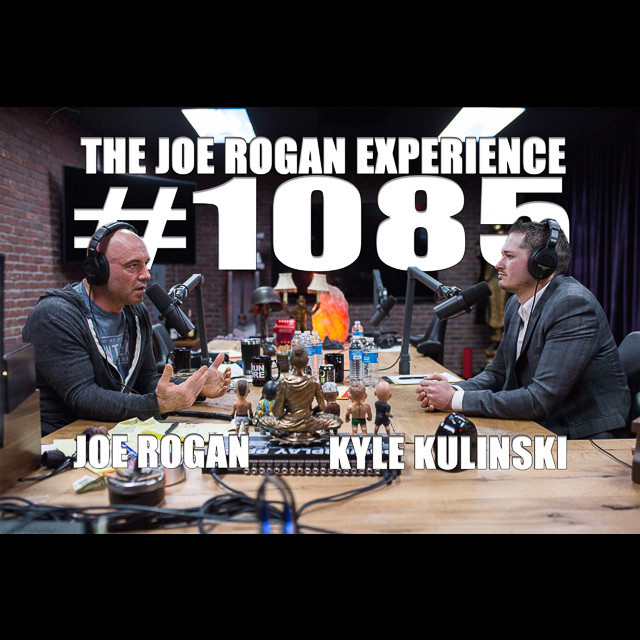
This podcast features a dynamic conversation between Joe Rogan and Kyle Kulinski, where they dive into a variety of provocative and timely topics surrounding political discourse, cultural phenomena, and personal narratives. Kulinski, a progressive commentator, brings insight to contemporary issues while Rogan provides a free-form platform to explore these ideas. Both hosts examine the implications of politics on society, the complexities of individual identity, and the evolving landscape of social justice.
1. The Nature of Political Discourse
- Rogan and Kulinski discuss the current political climate and how it shapes discourse.
- Their conversation reveals a deep frustration with politicians who ignore the actual concerns of constituents.
- Kulinski argues that many voters feel disenfranchised due to the actions of their representatives.
- The discussion highlights the need for genuine engagement rather than mere political theater.
2. Identity Politics and Its Ramifications
- They critique the overemphasis on identity politics, believing it sometimes detracts from more significant issues.
- Both agree that while identity matters, focusing solely on it can alienate potential allies.
- Kulinski expresses concern about how negative portrayals of certain political factions can push moderates toward extremist views.
- The conversation concludes that unity around common issues is more beneficial in the long run.
3. The Role of Media in Shaping Perception
- Kulinski criticizes mainstream media for its sensational approach, focusing more on scandals than substantive policy issues.
- The hosts discuss the importance of holding institutions accountable for the narratives they promote.
- They explore how media distortion affects public perception, leading to misinformed voter bases.
- Rogan emphasizes the responsibility of consumers to seek out credible sources and challenge misleading narratives.
4. The Complexity of Gender and Sexual Identity
- The hosts delve into the intricacies surrounding gender identity and the debates surrounding transgender rights.
- Kulinski shares his views on the importance of personal freedom in gender expression.
- They discuss the tensions between progressive ideals and practical realities in legislative discussions on gender identity.
- The conversation opens up a broader discussion about mental health, gender dysphoria, and sociocultural acceptance.
5. The Challenge of Economic Inequality
- Kulinski addresses the widening gap between the wealthy and the middle class, emphasizing economic policies that perpetuate this divide.
- The hosts advocate for a living wage and discuss issues related to healthcare access.
- They highlight how economic disenfranchisement fuels social unrest and political extremism.
- The discussion shapes a narrative around the necessity of addressing economic factors tied to social issues.
6. Critique of the Two-Party System
- Kulinski shares his disdain for the established two-party system, suggesting it doesn’t serve the majority of Americans.
- Rogan and Kulinski discuss the implications of primary challenges and the need for grassroots movements.
- They suggest that both parties could learn from younger activist groups that prioritize people-driven platforms.
- The conversation stresses the potential of third-party candidates to shake up the political landscape.
7. The Impact of Social Media on Society
- Both discuss how social media has transformed political communication, for better or worse.
- Kulinski argues social media can be helpful for activism but also emphasizes the dangers of misinformation.
- Rogan notes how quickly narratives can shift online, impacting real-world actions and perceptions.
- They analyze how the instantaneous nature of social media affects discourse and dialogue.
8. The Evolution of Comedy as a Reflection of Society
- The podcast touches on comedy’s role in addressing political and social issues.
- Kulinski and Rogan reflect on changes in comedic styles and what’s considered acceptable humor.
- They emphasize the responsibility of comedians to challenge societal norms while being mindful of their audience.
- Historic comedians’ ways of handling political commentary serve as a backdrop for current discourse.
9. The Dangers of Substance Abuse
- Rogan and Kulinski discuss the rising opioid crisis and the role of pharmaceutical companies.
- They analyze the relationship between prescription practices and addiction-related deaths.
- The conversation covers societal implications of media portrayal of addiction struggles and their stigma.
- Both hosts advocate for more accessible recovery resources and public discussions about addiction.
10. Health Care as a Human Right
- Kulinski states his belief that access to healthcare is a fundamental human right.
- They discuss the failures of the current healthcare system in the U.S. and alternatives from other countries.
- Rogan and Kulinski explore how healthcare access relates to economic status and quality of life.
- Their discussion advocates for a broader reexamination of healthcare policies and their impacts on society.
11. The Need for Educational Reform
- The podcast discusses deficiencies in the U.S. education system and how it contributes to inequality.
- Kulinski notes the importance of making education accessible and relevant to students’ futures.
- Both stress how skimping on education budgets affects children’s opportunities and societal growth.
- They advocate for transformational changes in education policies to cater to current demands.
12. Environmental Responsibility and Policy
- Kulinski emphasizes the urgency of addressing climate change and protecting the environment.
- They discuss how current policies fall short of addressing these critical issues.
- The importance of sustainability practices in promoting a healthier planet is strongly emphasized.
- They envision a future where environmental stewardship becomes central to political agendas.
13. The Role of Activism in Politics
- The power of grassroots movements and their impact on shaping political conversations is discussed.
- Kulinski shares his experiences with political activism and the significance of staying vocal on issues.
- They highlight the opportunities for everyday citizens to engage in meaningful activism.
- Both agree activism is essential for creating systemic change in the face of bureaucracy.
14. The Intersection of Technology and Society
- The podcast addresses the implications of tech advancements on employment and daily life.
- Kulinski raises concerns regarding privacy, surveillance, and data ownership by corporations.
- They discuss the responsibility of society to manage technology’s impact responsibly.
- The topic raises critical questions about the ethics of technology use in everyday life.
15. The Misconceptions of Mental Health
- Rogan and Kulinski engage in a detailed discussion about mental health awareness and stigmas.
- They explore varying perspectives on how society tackles mental illness and promotes understanding.
- They emphasize the importance of holistic approaches to mental health care.
- Both advocates for open discussions around mental health to destigmatize it further.
16. The Importance of Personal Narrative
- Kulinski shares how personal experiences inform his political views and activism.
- Storytelling is seen as a crucial tool in making complex ideas more relatable.
- Rogan adds that sharing personal histories can foster understanding between differing viewpoints.
- The discussion inspires listeners to reflect on their narratives and how they relate to broader issues.
17. The Nuances of Cultural Evolution
- Rogan and Kulinski discuss how cultural shifts reflect societal changes.
- They explore how humor, language, and social norms evolve over time.
- Both question the implications of these changes on political correctness.
- The dialogue encourages an open-minded view of cultural evolution without losing sight of historical contexts.
18. Exploring the Nature of Fear
- The discussion touches upon the roots of personal and collective fears.
- Kulinski argues that fear drives many decisions in politics and everyday life.
- They explore ways to overcome fear and foster courage in advocating for what’s right.
- The dialogue frames fear as a catalyst for societal change.
19. The Impact of Humor in Politics
- Rogan and Kulinski express how humor can bridge divides in political discussions.
- Comedy is examined as a means to address complex issues more lightly.
- Both agree that laughter helps disarm confrontational dialogue, making exchanges less heated.
- They encourage comedians to continue pushing boundaries through their craft.
20. The Legacy of Political Activism
- Kulinski reviews the historical role of activism in shaping societal change.
- Both discuss how past movements laid the groundwork for current activism.
- They emphasize the importance of continuing this legacy for future generations.
- The dialogue serves as a reminder of the power individuals have in making transformative change.
5 Memorable Quotes:
- “The political landscape is shaped by so many factors, yet so few people take the time to really understand things.” – Kulinski
- “Uniting around common goals—giving people a living wage, healthcare—is what the left needs to focus on.” – Rogan
- “The truth is in the details, and if we bury them under sensational headlines, we lose the real story.” – Kulinski
- “Why should your personal choices be anyone’s business but your own?” – Rogan
- “Success is based on persistence; the harder you work and the more you challenge yourself, the better you’ll become.” – Kulinski
“`