3/26/2018
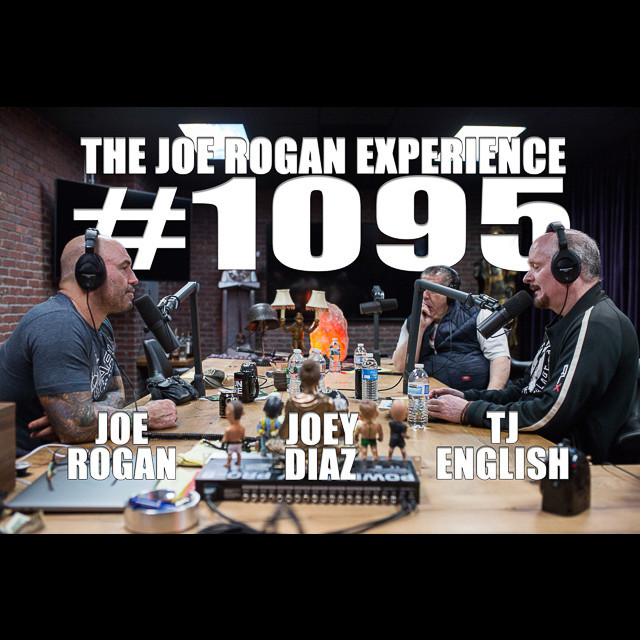
This podcast dives into the fascinating world of Cuban-American organized crime, specifically the organization known as “The Corporation,” led by Jose Miguel Battle. T.J. English, the author of “The Corporation,” provides a captivating narrative, while Joey Diaz, a Cuban-American stand-up comedian, shares personal anecdotes and insights from his own experiences. The conversation delves into the history of the Cuban underworld, its connections to the Bay of Pigs invasion, the political corruption that facilitated its rise, and the brutal realities of its operation.
Major Topics:
-
The Corporation: Jose Miguel Battle and the Cuban American Underworld
- Jose Miguel Battle, a legendary figure in Cuban American circles, was a veteran of the Bay of Pigs invasion and a charismatic leader who established a powerful organized crime organization.
- The Corporation primarily operated through the illegal lottery known as “bolita,” which generated significant revenue, particularly among Cuban American communities.
- The organization’s profitability led to territorial disputes and internal conflicts, escalating into violence and bloodshed.
- Battle’s reputation as a hero from the Bay of Pigs invasion, coupled with alleged protection from government elements, enabled the Corporation to flourish for decades.
-
The Bay of Pigs Invasion and Its Lasting Impact on Cuban American Politics
- The Bay of Pigs invasion, a failed attempt to overthrow Fidel Castro, deeply impacted Cuban American communities, fostering a strong anti-Castro sentiment and a thirst for revenge.
- The invasion’s legacy played a key role in shaping Cuban American politics, creating alliances between anti-Castro exiles and right-wing elements in the US, including the CIA.
- This alliance fueled covert operations and acts of terrorism against Cuba, leading to a long and violent Cold War conflict.
- The Bay of Pigs’ influence extended beyond Cuba, influencing US politics and contributing to conspiracies surrounding events like the Kennedy assassination.
-
The Mysticism of Numbers and the Role of Bolita in Cuban American Communities
- Bolita was not just an illegal gambling operation; it was deeply embedded in Cuban American culture, intertwined with mysticism and dreams.
- People believed that betting on numbers could help them make their dreams come true, bestowing a unique stature on bolita operators as “dreammakers.”
- The community aspect of bolita, where bets were placed with trusted individuals within their neighborhoods, fostered a sense of belonging and connection.
- Bolita provided a source of hope and escape for many, offering a chance to break free from everyday struggles and believe in a brighter future.
-
The Corruption of Law Enforcement and the Symbiotic Relationship between Organized Crime and Politics
- The podcast highlights how corruption permeated law enforcement agencies, creating a symbiotic relationship with organized crime.
- Politicians received donations from criminal enterprises, while law enforcement officials took bribes and protected illegal activities.
- This system, rooted in the Prohibition era, extended throughout the twentieth century, influencing political decision-making and shaping the criminal landscape.
- The podcast emphasizes that this corruption continues to be a pervasive issue in American society, spanning various ethnic groups and criminal rackets.
-
The Evolution of Organized Crime in the United States
- While traditional organized crime groups like the Italian Mafia have diminished, newer generations of criminal organizations have emerged, including Jamaican, Chinese, Russian, and Mexican groups.
- The core principles of organized crime, including corruption, violence, and the exploitation of power, remain prevalent.
- The podcast suggests that the systemic corruption established during Prohibition continues to influence American society, shaping the criminal landscape and impacting political decisions.
- The evolution of organized crime reflects the changing demographics and economic realities of the United States, highlighting the adaptability and persistence of criminal enterprises.
-
The Cuban Culture of Loyalty, Revenge, and Machismo
- The podcast reveals the strong emphasis on loyalty within Cuban American communities, a virtue that could manifest in extreme forms of self-sacrifice and even violence.
- A deep-seated desire for revenge, stemming from the Bay of Pigs invasion and the oppressive Castro regime, fueled numerous violent acts and vendettas.
- The podcast touches upon the cultural concept of “machismo,” highlighting its influence on behavior and the social dynamics within Cuban American communities.
- This cultural tapestry of loyalty, revenge, and machismo contributed to the violence and brutality that characterized Cuban American organized crime.
-
The Role of Santéria in Cuban American Culture and Its Implications for Organized Crime
- Santéria, an Afro-Cuban religion, played a significant role in Cuban American communities, providing spiritual guidance and a sense of connection to ancestral traditions.
- The podcast reveals how Santéria was used by some individuals within organized crime for protection, divination, and even to influence events.
- The podcast explores the complexities of Santéria and its appropriation by criminal elements, showcasing the cultural and spiritual dimensions of organized crime.
- The discussion emphasizes the importance of understanding Santéria’s cultural significance and its role in shaping Cuban American identity, beyond its association with criminal activities.
-
The Personal Experiences of Joey Diaz and His Upbringing in Union City, New Jersey
- Joey Diaz shares his personal experiences growing up in Union City, New Jersey, providing a first-hand account of the Cuban American underworld.
- His childhood was immersed in the world of bolita, where he witnessed the operation and the intricate social dynamics of the community.
- Diaz’s upbringing shaped his understanding of loyalty, violence, and the cultural nuances of the Cuban American experience.
- His stories offer a glimpse into the human side of organized crime, highlighting the complex social and cultural factors that contribute to its existence.
-
The Power of Storytelling and the Importance of Uncovering Hidden Histories
- The podcast emphasizes the power of storytelling in revealing hidden truths and understanding complex social phenomena.
- T.J. English’s book, “The Corporation,” sheds light on a previously untold chapter of Cuban American history, exposing the corruption, violence, and cultural complexities of the underworld.
- The podcast encourages listeners to question the narratives they encounter and seek out alternative perspectives, recognizing that the “real story” often lies beneath the surface.
- The podcast highlights the importance of uncovering hidden histories to gain a deeper understanding of the past and its influence on the present.
-
The Perpetuation of Corruption and Organized Crime in American Society
- The podcast suggests that organized crime and corruption are not relics of the past but continue to thrive in various forms within American society.
- The interconnectedness of organized crime, politics, and law enforcement remains a pervasive issue, despite changes in ethnic groups and criminal rackets.
- The podcast raises concerns about the enduring nature of corruption and the challenges of dismantling these deeply rooted systems.
- The discussion prompts reflection on the need for greater transparency, accountability, and systemic reform to address these persistent problems.
-
The Cuban Experience in America: Immigration, Assimilation, and the Pursuit of the American Dream
- The podcast explores the Cuban American experience in the United States, highlighting the challenges of immigration, assimilation, and the complex relationship with their homeland.
- The podcast reveals how Cuban Americans navigated the complexities of American society, finding ways to create their own paths and pursue their version of the American Dream.
- The podcast sheds light on the cultural, political, and economic forces that shaped the Cuban American experience, offering a nuanced understanding of their journey.
- The discussion emphasizes the diverse experiences of Cuban Americans, encompassing both the successes and the struggles of their adaptation to American society.
-
The Allure and Danger of Rigid Belief Systems
- The podcast explores the allure and danger of rigid belief systems, such as Santéria, through the lens of personal experiences and the influence of organized crime.
- The discussion highlights how belief systems can provide comfort and belonging but also lead to blind obedience and potentially harmful actions.
- The podcast encourages listeners to critically examine their own beliefs and the potential influence of external forces on their perspectives.
- The discussion emphasizes the importance of fostering critical thinking and questioning authority, especially when dealing with complex and powerful belief systems.
-
The Enduring Power of Human Connection and the Importance of Shared Experiences
- The podcast reveals the importance of human connection and the power of shared experiences, particularly within immigrant communities and those who have lived through challenging circumstances.
- T.J. English’s research and Joey Diaz’s personal stories illustrate how shared experiences, both positive and negative, can shape individuals’ identities and foster a sense of community.
- The podcast emphasizes the enduring power of human connection in overcoming adversity and finding strength in shared struggles.
- The discussion underscores the importance of listening to and understanding diverse perspectives, recognizing the common threads that connect us as humans.
Memorable Quotes
- “Union City’s amazing place. I don’t think people realize it. It’s one of those little enclaves.” – T.J. English describes the unique character of Union City, New Jersey, a Cuban-American enclave with a distinct social and criminal landscape.
- “Cubans have this, Latinos have this, everybody has it, but Cubans have it, Desire for revenge.” – T.J. English highlights the strong sense of revenge among Cubans, stemming from their experiences with the Castro regime and the Bay of Pigs invasion.
- “It was a dirty war, a dirty war was waged, by the anti-Castro underground in combination in partnership with the CIA.” – T.J. English reveals the covert operations and acts of terrorism orchestrated by the CIA and anti-Castro Cuban exiles, highlighting the dark side of the Cold War conflict.
- “This is the real fucking deal. Okay. It’s the real fucking deal.” – Joey Diaz emphasizes the authenticity of Union City’s Cuban-American community, showcasing its distinct character and the intensity of its social and criminal dynamics.
- “It’s because you can’t really understand that culture unless you embrace it on some level. You understand it and live it.” – Joey Diaz explains his ongoing practice of Santéria, emphasizing the importance of immersing oneself in a culture to truly understand its nuances and complexities.