3/28/2018
“`html
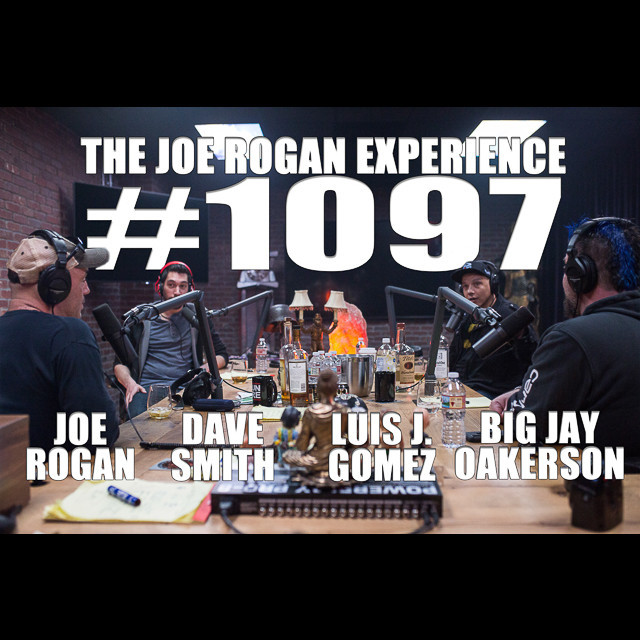
This episode of Joe Rogan’s podcast features the Legion of Skanks, hosts Big Jay Oakerson, Luis J. Gomez, and Dave Smith, who delve into a variety of provocative and often controversial topics. Their candid discussions touch upon humor, societal norms, and personal experiences while engaging listeners in a powerful exploration of modern masculinity, culture, and politics.
1. The Power of Humor in Conversations
- The hosts commence their dialogue emphasizing the significance of humor as a tool to tackle difficult subjects.
- They share personal anecdotes and experiences demonstrating how laughter can diffuse tension and invoke discussion.
- Humor acts as a bridge, connecting people with varying viewpoints, showcasing comedians as facilitators of cultural dialogue.
- Rogan and the hosts highlight instances where comedy has enabled them to address serious issues in an accessible way.
2. Gun Culture and Personal Responsibility
- The discussion shifts to the current state of gun culture in America, examining arguments for and against control measures.
- They explore the balance between personal rights and societal responsibilities within the context of protecting communities.
- The hosts question the efficacy of proposed solutions, emphasizing the importance of understanding mental health impacts.
- They underline the need for engagement and conversation among different viewpoints rather than hostility.
3. Circumcision and Gender Norms
- The group delves into the controversial topic of circumcision, dissecting cultural practices and personal choices.
- They raise important questions around the ethics of infant circumcision and the male-centric narratives surrounding it.
- The discussion further reveals the inconsistency in societal attitudes towards male and female genital modifications.
- By sharing their personal views, the hosts challenge prevailing norms and provoke thought regarding bodily autonomy.
4. The Perception of Masculinity in Modern Society
- Rogan and the comedians engage in a reflective conversation about societal expectations of masculinity.
- They critique how men are often conditioned to suppress emotions and vulnerability in pursuit of traditional masculinity.
- Underlying themes challenge the rigid definitions of manhood while promoting a healthier understanding of masculinity.
- The hosts advocate for more robust discussions about mental health awareness among men.
5. The Role of Social Media in Polarizing Communities
- The hosts analyze the impact of social media on public discourse, emphasizing its divisive nature.
- They discuss how online interactions can lead to misunderstandings and escalate conflicts.
- The necessity of in-person communication is highlighted as a remedy to bridge gaps between differing opinions.
- By sharing personal experiences, they offer insights into how to navigate relationships amid polarized views.
6. Celebrity Culture and its Discontents
- The podcast dives into the detrimental effects of celebrity culture on societal values and individual identity.
- The hosts share stories demonstrating how fame can distort priorities and lead to unhealthy comparisons.
- They reflect on the pressures faced by public figures, making a case for a more compassionate perspective on celebrity life.
- The overarching theme underscores the need to focus on real-world experiences over superficial expectations.
7. The Evolution of Comedy in the Digital Age
- Rogan and the comedians observe how comedy has shifted with the rise of social media platforms.
- They analyze the new expectations from comedians to continuously produce content for audience engagement.
- Concerns about censorship and backlash from audiences for controversial material are discussed.
- The conversation explores the balance between creativity, transparency, and accountability for comedians.
8. The Nuances of Gender Identity and Society
- The podcast addresses the complex conversations surrounding gender identity and expression in contemporary society.
- The hosts express their opinions while striving to respect the nuances inherent in the discussions.
- They stress the importance of seeking understanding rather than engaging in divisive arguments over identity politics.
- Insightful dialogue encourages listeners to examine their beliefs and flexibility in understanding gender discussions.
9. The Impact of Personal Experience on Public Discourse
- Throughout the episode, personal experiences serve as a lens through which the hosts examine larger societal issues.
- They emphasize the power of individual stories in shaping public dialogue and countering stereotypes.
- Realities from their lives ground discussions in authenticity, inviting greater empathy among listeners.
- The importance placed on sharing personal stories cultivates relatability and connection among different demographics.
10. Critiques of Political Correctness in Modern Discourse
- The comedians express frustration with the constraints of political correctness in creative expression.
- They debate the role political correctness plays in comedy and how it may dilute the art form.
- Insights on navigating humor in today’s climate present a candid snapshot of comedians’ experiences with censorship.
- Underlying messages advocate for safety and openness in dialogues while addressing sensitive topics in comedy.
11. Mental Health Awareness and the Stigma Surrounding It
- Mental health is broached as a critical topic affecting individuals across age groups.
- The hosts share candid discussions about personal mental health struggles and the societal stigma surrounding it.
- They highlight the importance of open conversations about mental health to dismantle barriers to understanding.
- Encouraging vulnerability among men is emphasized as crucial to combating mental health issues.
12. The Consequences of Over-Policing Thoughts
- Rogan and the comedians critically explore the backlash surrounding free speech and the consequences of policing language.
- They share perspectives on the balance between accountability for harmful language and environmental impact.
- Important questions arise regarding whether censorship truly achieves the goals intended by those advocating for it.
- Discussions inform listeners on the nuances of accountability versus freedom in expression.
13. Navigating Personal Relationships in a Polarized Society
- The podcast sheds light on the tensions that arise in personal relationships due to differing ideologies.
- Encouragement for open dialogue between friends and family provides relatable insight into conflict resolution.
- Strategies for engaging those with opposing viewpoints highlight essential communication skills.
- Reinforcing the importance of maintaining relationships despite disagreements fosters a message of unity.
14. Experiences of Self-Discovery Through Podcasts
- Hosting a podcast serves as a platform for the comedians’ self-discovery and personal growth.
- They celebrate the growth experienced through sharing their beliefs and interacting with various individuals.
- Reflecting on moments of vulnerability and resilience, they inspire listeners to join in on this journey.
- Lessons of authenticity and connection emphasize the power and healing potential of personal storytelling.
15. The Future of Comedy and Discourse
- The podcast concludes with a reflection on the direction of comedy and cultural conversations moving forward.
- Thoughts on the evolution of political correctness shape expectations for future dialogues in comedy.
- They express optimism about the potential for change, stirring hope for more open, honest engagement.
- As listeners exit the episode, they are encouraged to adapt and grow along with shifting narrative landscapes.
5 Memorable Quotes:
- “Most men live lives that are very, very suppressed.” – Reflecting on the societal expectations placed on men.
- “The solution is just not to cut the dicks.” – A jarring commentary on the ethics of circumcision.
- “I feel like we’re always trying to escape into stories.” – Emphasizing society’s tendency to default to narrative when faced with challenges.
- “We are a product of our environment.” – Recognizing how external influences shape personal beliefs and actions.
- “You have to understand the weight of the issue at hand.” – Addressing the importance of open discussions regarding controversial topics and public discourse.
“`