4/3/2018
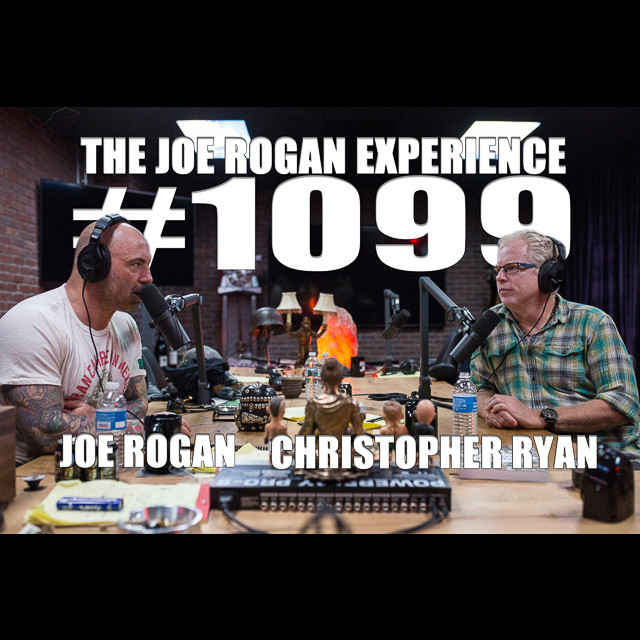
Joe Rogan Experience #1099 – Christopher Ryan
This episode features Christopher Ryan, a psychologist, speaker, and author of “Sex At Dawn”. The podcast delves deep into various topics ranging from human evolution and sexuality to cultural perspectives and the nature of intelligence. Provocative discussions include the limitations of monogamy, the power dynamics within cults, and the potential benefits of psychedelic experiences.
Underlying themes explore the complexities of human behavior, the influence of culture on our beliefs and actions, and the pursuit of knowledge and understanding beyond established norms. Ryan’s insights and personal anecdotes shed light on the interconnectedness of our experiences, challenging traditional notions about how we live and interact with the world around us.
Topics:
- The Joys and Challenges of Van Life: Ryan recounts his experiences traveling in a van across America, highlighting the freedom and serendipitous encounters it provides. He talks about visiting Bisbee, Arizona, where he met a rattlesnake expert who’s been studying snakes for 50 years. He discusses the dangers of rattlesnake venom and the fascination with these creatures.
- The Toxicity of Online Communication: Ryan and Rogan discuss the rise of online trolling and the negative effects it has on social interaction. They explore the psychological motivations behind such behavior and the tendency to project our inner conflicts onto others. Ryan emphasizes the importance of face-to-face communication and the detriments of relying solely on virtual platforms.
- Cults and the Appeal of Community: The conversation shifts to cults and the documentary “Wild Wild Country”, which explores the Rajneeshee movement in Oregon. Ryan suggests the ease with which cults can form and the human desire for belonging and shared belief systems. They discuss the potential dangers of surrendering to an ideology and the importance of maintaining critical thinking.
- Restoring Antique Cars: Rogan and Ryan discuss the hobby of restoring classic cars, specifically mentioning Mickey Avalon’s collection of antique automobiles. They explore the allure of these vintage machines, the process of restoring them, and the art of combining old and modern elements for better performance.
- The Aquatic Ape Theory: Ryan introduces the controversial Aquatic Ape theory, which suggests that our ancestors spent a period of time living in tidal areas. He presents evidence supporting the theory, such as human infants’ ability to hold their breath underwater and our unique physiological adaptations compared to other primates.
- The Nature of Intelligence: The conversation delves into the complex question of intelligence, exploring the diverse ways it manifests across species and individuals. They discuss the limitations of IQ tests and the importance of understanding different forms of intelligence, such as the ability to communicate, problem-solve, and interact with the environment.
- The Controversy of Racial Differences in Intelligence: Rogan and Ryan engage in a heated discussion about Charles Murray’s book “The Bell Curve”, which argues for racial differences in IQ. They critique the book’s racist implications and the tendency to dismiss environmental factors influencing intelligence, particularly in marginalized communities.
- The Power of Fasting: Rogan shares his experience with intermittent fasting, highlighting its potential benefits for health and longevity. Ryan discusses the connection between fasting and epigenetics, explaining how our ancestors’ experiences, such as famine, can influence our genetic predisposition to certain traits.
- The Hypocrisy of Religious Institutions: The conversation touches on the vast wealth accumulated by religious institutions, particularly the Catholic Church, contrasting this with Jesus’ teachings of poverty and humility. They explore the irony of a faith advocating simplicity and selflessness building opulent cathedrals and amassing vast fortunes.
- The Psychology of Monogamy: Ryan discusses his book “Sex at Dawn”, which challenges the traditional narrative of human monogamy. He argues that our evolutionary history suggests a more flexible and diverse approach to relationships. They discuss the emotional and social implications of this perspective and the common resistance to challenging traditional beliefs about sexuality.
- The Intimacy of Podcasting: Ryan and Rogan discuss the unique intimacy of podcasting, where listeners feel a personal connection to the hosts and guests. They explore the lack of filters and the direct communication between creator and audience, creating a space for unfiltered conversations and shared experiences.
- The Role of Shamelessness in Public Expression: Ryan discusses his approach to expressing himself openly and honestly on his podcast. He believes that fame and privilege bring a responsibility to speak about topics others shy away from, challenging social norms and societal expectations. They discuss the importance of self-awareness and the need to protect children’s privacy within the context of public figures’ lives.
- The Paradox of Fame: Rogan and Ryan discuss the complexities of fame, highlighting the potential downsides of constant attention, scrutiny, and the pressure to maintain a certain image. They explore the potential for isolation, a distorted sense of self-importance, and the fear of being exposed as flawed individuals.
- The Path of the “Drunken Guru”: Ryan shares a story about his friend who described him as the “anti-monk”, someone who pursues a spiritual path by embracing the temptations of life. They discuss the concept of the “drunken guru” in Buddhism and the idea that wisdom can be found through exploration and experience, even through excess and indulgence.
- The Importance of Thinking Outside the Box: Ryan reflects on the importance of challenging established norms and connecting dots that others might miss. He credits his own unorthodox path, including his travels and lack of traditional education, for his ability to think critically and develop unique perspectives.
- The Influence of Environment on Behavior: Rogan and Ryan discuss the profound influence of environment on behavior, highlighting the power of cultural patterns and societal norms. They explore the diverse ways people live around the world, emphasizing the importance of recognizing our own cultural biases and the potential for change through open dialogue and diverse perspectives.
- The Role of Podcasting in Social Change: Ryan believes that podcasting has the potential to be a powerful tool for social change, offering a platform for unfiltered ideas and conversations that challenge traditional media narratives. They discuss the importance of free speech and the accessibility of podcasting as a means for individuals to reach wider audiences.
- The Evolution of the Publishing Industry: Ryan and Rogan discuss the changing landscape of the publishing industry, comparing it to the Napster era of music sharing. They explore the increasing power of individual creators and the potential for self-publishing and independent platforms to disrupt traditional publishing models.
- The Wildness of the Natural World: The conversation touches on various experiences with wild animals, including encounters with bears, cougars, foxes, and coyotes. They discuss the importance of respecting nature’s power and the need for balance within ecosystems. They explore the dangers of human encroachment on wildlife habitats and the consequences of disrupting natural cycles.
- The Power of Physical Activity and the Importance of a Healthy Lifestyle: Rogan discusses his commitment to exercise and his newfound love for yoga, attributing it to a significant improvement in his health and well-being. They highlight the benefits of physical activity, even in small doses, and emphasize the importance of challenging the common perception that aging inevitably leads to physical decline.
- The Unexpected Benefits of a Dirty Bucket of Water: Ryan recounts his experience getting hepatitis from drinking water out of a bucket while on a trip to Guatemala. He discusses the importance of filtering water in tropical climates and the unique challenges faced by people who live in environments where sanitation and medical care are limited.
- The Power of the Microbiome: Ryan discusses the importance of gut health and the microbiome, highlighting the influence of diet and other factors on our overall well-being. They explore the concept of a “superorganism”, where our bodies and the organisms within them are intertwined, shaping our behavior and influencing our health.
- The Impact of European Colonization on Native American Cultures: Rogan and Ryan discuss the history of European colonization in North America and its impact on Native American cultures, including the near extinction of the bison. They explore the devastating consequences of disease, displacement, and the destruction of traditional lifeways, highlighting the lasting impact of colonialism on the continent.
- The Future of Social Media and Content Creation: Ryan and Rogan envision a future where individuals have greater control over their own content creation and distribution, utilizing platforms that offer direct connection with audiences without the need for intermediaries. They explore the potential for greater accessibility and control over information flow, empowering individuals to express themselves and share their perspectives.
Memorable Quotes:
- “That’s why I traveled, like, all through my twenties and thirties was for that insight. You gotta see it. You gotta see it and you gotta In person.” – Ryan emphasizes the importance of experiencing different cultures firsthand to gain a broader perspective.
- “I think we reveal our deepest secrets in our loudest accusations.” – Ryan suggests that our criticisms often expose our own hidden insecurities and inner conflicts.
- “I think people react to sex very emotionally.” – Ryan acknowledges the strong emotional responses often associated with discussions about sexuality and the need to approach such conversations with sensitivity.
- “It’s not your job to defend the book, and it’s not even my job really to defend the book. I think once a book is out, it’s out.” – Ryan emphasizes the autonomy of a published work and his disassociation from the reactions it elicits.
- “I think it’s as if you’ll make it and then you’ll have it made. Yeah. You know, like, what what? What did we make? What’s made?” – Ryan reflects on the elusive nature of “making it” and the potential for disillusionment even after achieving success.