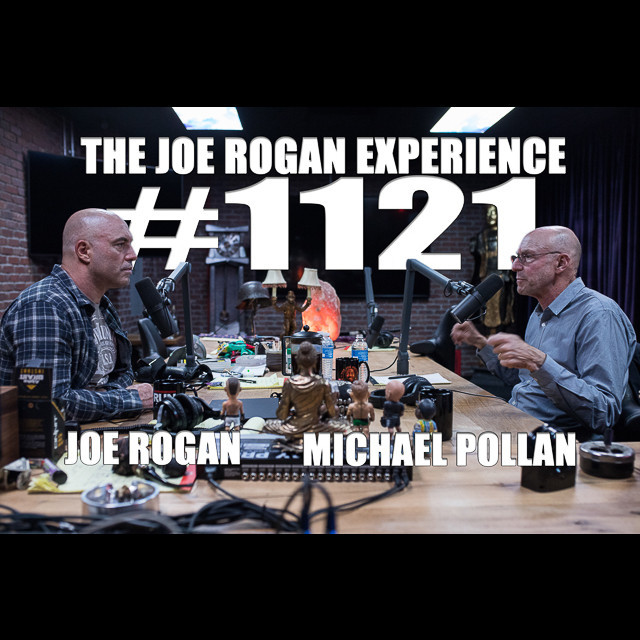
5/24/2018
This podcast dives deep into the world of psychedelics, exploring their potential benefits and challenges with renowned author and journalist Michael Pollan. Pollan, known for his insightful books on food and agriculture, brings a unique perspective to the often-controversial subject of psychedelic drugs. He meticulously examines the science behind these substances, delves into personal experiences, and sheds light on the historical and cultural context of their use. Provocative topics include the therapeutic potential of psychedelics for conditions like depression and addiction, the role of set and setting in psychedelic experiences, the cultural impact of these substances, and the ongoing debate about their legalization. Underlying themes explore the complexities of consciousness, the nature of addiction, the limits of rational thought, and the search for meaning in a world often characterized by materialism and cynicism.
1. Psychedelic Research and Therapeutic Potential
- Recent research, particularly at institutions like John Hopkins University, is revealing promising therapeutic applications for psychedelics in treating a range of conditions, including depression, anxiety, addiction, and end-of-life anxiety.
- Studies show that psilocybin, LSD, and MDMA can have profound effects on mental states, often leading to a reduction in symptoms and a sense of personal transformation.
- The potential for psychedelics to disrupt traditional mental health treatment models and offer new avenues for healing is generating significant interest and debate within the medical community.
- Pollan emphasizes the need for rigorous scientific research to fully understand the benefits and risks associated with psychedelic use.
2. The Importance of Set and Setting
- Pollan stresses the significance of “set and setting” in psychedelic experiences, arguing that the individual’s mindset and the environment in which the drug is taken significantly influence the outcome.
- Guided psychedelic experiences, often conducted by trained therapists or facilitators, are seen as crucial for mitigating risks and promoting positive outcomes.
- The importance of a safe and supportive environment for psychedelic use is emphasized, as uncontrolled settings can lead to negative experiences, including anxiety, paranoia, and psychological distress.
- Pollan argues that the current prohibition on psychedelics fosters an environment of fear and uncertainty, making it difficult to access these substances in safe and regulated settings.
3. The Cultural Impact of Psychedelics
- Pollan explores the historical and cultural significance of psychedelics, examining their use in ancient societies and their role in shaping religious beliefs and practices.
- He discusses the rise of the psychedelic movement in the 1960s and the subsequent backlash, which led to the criminalization of these substances and a long period of research stagnation.
- Pollan suggests that psychedelics have the potential to challenge conventional modes of thought and encourage new perspectives on consciousness, the universe, and human existence.
- He highlights the cultural influence of psychedelics in areas such as art, music, literature, and technology.
4. The Debate about Legalization
- Pollan advocates for a nuanced approach to legalization, acknowledging both the potential benefits and the risks associated with psychedelics.
- He argues that legalization, coupled with strict regulation, could provide a safer and more controlled environment for access and use.
- The current prohibition is viewed as counterproductive, leading to a black market, a lack of research, and a culture of fear and stigma surrounding these substances.
- Pollan believes that legalizing psychedelics could pave the way for therapeutic applications and a greater understanding of the human mind.
5. Personal Experiences and Insights
- Pollan shares his personal experiences with various psychedelic substances, including psilocybin, LSD, Ayahuasca, and 5-MeO-DMT.
- He describes the profound psychological and spiritual transformations he underwent during these experiences, including a heightened sense of interconnectedness, a revaluation of platitudes, and a shift in his understanding of consciousness.
- He emphasizes the importance of recognizing the individual nature of psychedelic experiences and avoiding generalizations or assumptions about their effects.
- Pollan highlights the need for individual responsibility and careful consideration when exploring psychedelic substances.
6. The Nature of Consciousness
- Pollan delves into the philosophical and scientific questions surrounding consciousness, exploring the limitations of current understanding and the possibilities offered by psychedelic experiences.
- He challenges traditional materialistic views of consciousness and suggests that psychedelics provide insights into the nature of reality that are beyond the grasp of rational thought.
- Pollan explores the concept of “ego dissolution,” arguing that these experiences can help individuals transcend the limitations of their self-identity and connect with something larger than themselves.
- He examines the role of the default mode network in the brain and how psychedelics appear to disrupt its activity, potentially allowing for new and expanded ways of perceiving the world.
7. The Role of the Ego
- Pollan explores the concept of the ego as a protective mechanism that shapes our perceptions and experiences, often limiting our ability to see the world clearly and connect with others authentically.
- He argues that psychedelics can dissolve the ego, allowing for a more open and vulnerable experience of reality, potentially leading to personal growth and healing.
- He discusses the therapeutic potential of psychedelics in addressing addiction, arguing that they can help individuals break free from destructive habits and patterns of behavior.
- Pollan emphasizes the importance of self-awareness and understanding the role of the ego in shaping our lives.
8. The Science of Psychedelics
- Pollan explores the scientific evidence for the effects of psychedelics on the brain and the body, examining research on their neurochemical mechanisms of action.
- He discusses the challenges and ethical considerations involved in psychedelic research, including the need for careful study design and participant selection.
- Pollan presents a balanced view of the scientific evidence, acknowledging both the promising results and the need for further research to fully understand the potential benefits and risks.
- He highlights the role of science in de-stigmatizing psychedelics and promoting a more informed and nuanced understanding of these substances.
9. Psychedelics and the Future of Mental Health
- Pollan explores the potential for psychedelics to revolutionize mental health treatment, offering new and innovative approaches to addressing conditions that have long been resistant to conventional therapies.
- He discusses the limitations of current mental health treatments and the need for new tools and perspectives.
- Pollan argues that psychedelics could be integrated into mainstream mental healthcare systems, alongside traditional therapies, to provide greater options for individuals seeking healing.
- He emphasizes the importance of continued research and a commitment to responsible and ethical practices in developing these therapies.
10. The Cultural Significance of Psychedelics
- Pollan discusses the cultural significance of psychedelics, examining their influence on art, music, literature, and other creative endeavors.
- He argues that these substances have the potential to inspire new forms of creativity and expression, challenging conventional norms and pushing the boundaries of human imagination.
- Pollan explores the relationship between psychedelics and the counterculture movement of the 1960s and their ongoing influence on contemporary society.
- He emphasizes the importance of understanding the cultural context of psychedelic use and its impact on human experience.
11. The Role of Personal Experience
- Pollan acknowledges the importance of personal experience in understanding the effects of psychedelics, emphasizing that individual responses can vary greatly.
- He argues that anecdotal accounts, while not scientific evidence, can provide valuable insights into the potential benefits and challenges of psychedelic use.
- Pollan encourages individuals to approach psychedelic experiences with a sense of curiosity, openness, and responsibility.
- He emphasizes the need for respectful and informed conversations about these substances, free from stigma and prejudice.
12. The Role of the Media
- Pollan discusses the role of the media in shaping public perceptions of psychedelics, highlighting both the sensationalistic and misinformed reporting that has contributed to negative stereotypes.
- He emphasizes the need for responsible and accurate reporting on psychedelic research, recognizing the complexities and nuance of these substances.
- Pollan argues that the media can play a crucial role in de-stigmatizing psychedelics and promoting a more informed understanding of their potential.
- He encourages journalists to approach this topic with sensitivity, objectivity, and a commitment to truth.
13. The Importance of Open-Mindedness
- Pollan emphasizes the importance of open-mindedness and critical thinking when exploring the potential of psychedelics.
- He encourages listeners to challenge their preconceived notions and to consider alternative perspectives on consciousness, the universe, and human existence.
- Pollan argues that a willingness to explore new ideas and challenge established norms is essential for understanding the transformative potential of psychedelic experiences.
- He encourages listeners to approach these topics with curiosity, intellectual honesty, and a willingness to learn.
14. Psychedelics and the Search for Meaning
- Pollan explores the potential for psychedelics to facilitate a search for meaning and purpose in life, offering individuals a deeper understanding of themselves and their place in the world.
- He argues that these experiences can challenge materialistic values and encourage a greater appreciation for the interconnectedness of all things.
- Pollan discusses the role of spirituality and transcendence in psychedelic experiences, acknowledging the profound emotional and psychological transformations that can occur.
- He emphasizes the importance of integrating these experiences into daily life and finding meaning and purpose in a world that often seems chaotic and meaningless.
15. The Impact of Prohibition
- Pollan criticizes the long-standing prohibition of psychedelics, arguing that it has hampered scientific research, fueled a black market, and created a culture of fear and stigma surrounding these substances.
- He argues that prohibition has not only failed to prevent the use of psychedelics but has also contributed to negative consequences, including a lack of regulation, unsafe practices, and a limited understanding of their potential.
- Pollan believes that ending prohibition could pave the way for a more informed and responsible approach to psychedelic use, allowing for greater access to research and therapeutic applications.
- He advocates for a policy shift that prioritizes public health and safety over criminalization.
16. The Future of Psychedelic Research
- Pollan discusses the exciting developments in psychedelic research and the potential for new discoveries and applications in the years to come.
- He highlights the growing interest in studying the therapeutic potential of these substances for a range of conditions, including depression, anxiety, addiction, and end-of-life care.
- Pollan emphasizes the need for rigorous scientific research to ensure the safe and effective use of psychedelics in therapeutic settings.
- He expresses optimism about the future of this field, recognizing the potential for psychedelics to play a transformative role in medicine and society.
17. The Importance of Individual Responsibility
- Pollan stresses the importance of individual responsibility when exploring psychedelic substances, emphasizing the need for careful consideration of personal factors, potential risks, and the context in which these experiences occur.
- He argues that individuals should not be compelled to take psychedelics but should be empowered to make informed choices about their own health and wellbeing.
- Pollan encourages listeners to approach these substances with a sense of caution, respect, and a commitment to self-care.
- He emphasizes the need for open dialogue and a willingness to learn from both the positive and negative aspects of psychedelic experiences.
18. The Role of Psychedelic Culture
- Pollan explores the development of a growing psychedelic culture, characterized by a renewed interest in these substances and a desire for greater understanding and acceptance.
- He highlights the role of psychedelic communities, festivals, and organizations in fostering dialogue, education, and support for responsible and mindful psychedelic use.
- Pollan acknowledges the potential for psychedelics to create spaces for connection, healing, and personal growth.
- He encourages listeners to engage with this evolving culture and to participate in conversations that promote understanding and respect.
19. Psychedelics and the Future of Consciousness
- Pollan explores the potential for psychedelics to reshape our understanding of consciousness and to inspire new ways of thinking about the nature of reality.
- He suggests that these experiences could challenge traditional scientific and philosophical paradigms, leading to a more holistic and integrated view of the universe and our place within it.
- Pollan encourages listeners to be open to the possibility of a deeper understanding of consciousness, beyond the limitations of current scientific models.
- He expresses a sense of wonder and curiosity about the potential for psychedelics to unlock new insights into the mysteries of the human mind and the cosmos.
20. Psychedelics and the Future of Society
- Pollan contemplates the potential for psychedelics to contribute to a more compassionate, empathetic, and interconnected society, fostering a greater understanding of the human condition.
- He argues that these substances could play a role in addressing social challenges such as addiction, mental illness, and the degradation of the natural world.
- Pollan emphasizes the need for a more holistic and integrative approach to societal challenges, drawing upon the insights and wisdom gleaned from psychedelic experiences.
- He expresses a hopeful vision for a future where psychedelics are embraced as a tool for personal growth, social change, and a deeper understanding of the human experience.
5 Memorable Quotes:
- “The world as we perceive it is dependent on the particular senses we have. We’ve got the big 5 senses that you always hear about, and there’s some other littler ones. You know, how we locate ourselves in space. We’re pretty good at that too. But other creatures have a different set of senses and and therefore they live in a different world.” – Pollan highlights the limitations of our human perception and suggests that psychedelics can offer glimpses into other ways of experiencing reality.
- “Psychedelics appear to turn this off to 1 degree or another. Take the default mode network offline. When that happens to go back to your metaphor, whatever is blocking the valve that’s blocking lots of information from coming in from outside or up from below in your subconscious, that’s allowed to flow. And so you are getting more information than you might otherwise.” – Pollan explains how psychedelics can disrupt the default mode network in the brain, potentially allowing for a more expansive and insightful experience of the world.
- “The most the most interesting scientific finding of this current generation of research is that when they image the brains of people on psilocybin or LSD or Ayahuasca, they expected to see fireworks. Right? Lots of activity because the experience has lots of fireworks. But they found something that they didn’t expect which was a diminishment of activity and a very important brain network called the default mode network.” – Pollan shares the surprising scientific findings about how psychedelics affect the brain, emphasizing the reduction of activity in the default mode network, a key area associated with self-reflection and ego-based thinking.
- “And I had this feeling of incredible gratitude — Yeah. — not just for being alive, which all of us have had at 1 point or another. But that anything existed. I was I was grateful for the fact that there is something and not nothing because I’d seen what nothing was like.” – Pollan describes the profound sense of gratitude he experienced after a challenging experience with 5-MeO-DMT, acknowledging the preciousness of existence and the wonder of being alive.
- “There’s something that’s Something that people are they avoid sincerity. Like, there’s something about it that it makes you too vulnerable or too open to criticism or too open to ridicule, and we’re worried about being sincere. And I do think that that’s 1 of the primary benefits psychedelics.” – Pollan reflects on the transformative power of psychedelics to break down defenses and encourage a more open and sincere approach to life.